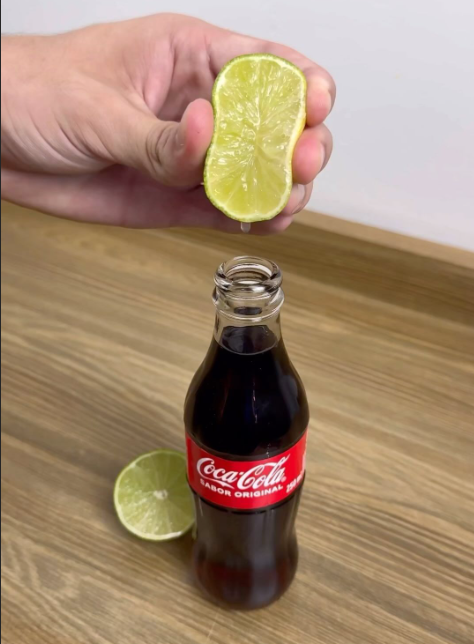
What Happens to Your Body Within the First Hour
The timeline is startling. After 10 minutes, your system is overwhelmed by the sugar content. At 20 minutes, your liver converts excess sugar into fat. By 40 minutes, caffeine absorption is complete, causing your pupils to dilate and blood pressure to rise. At 45 minutes, dopamine production increases, similar to how your brain responds to heroin. After 60 minutes, you’ll experience a sugar crash, accompanied by irritability and sluggishness.
The Artificial Sweetener Illusion
Many people switch to diet soda thinking they’ve found a healthier alternative. Unfortunately, the science suggests otherwise. Artificial sweeteners like aspartame, sucralose, and saccharin may contain zero calories, but they come with their own set of concerning effects.
Research indicates that artificial sweeteners can actually increase sugar cravings by confusing your body’s natural ability to regulate calorie intake based on sweetness. Your brain expects calories when it tastes something sweet, and when those calories don’t arrive, it triggers hunger signals that can lead to overeating.
The Gut Microbiome Connection
Recent studies have revealed that artificial sweeteners alter your gut bacteria composition in ways that can negatively impact glucose metabolism. This disruption to your microbiome may increase your risk of glucose intolerance and metabolic disorders—the very conditions diet soda drinkers are often trying to prevent.
Bone Health Under Attack
Soda contains phosphoric acid, which gives it that signature tangy flavor. However, this ingredient interferes with calcium absorption and increases calcium loss through urine. Regular soda consumption has been linked to decreased bone mineral density, particularly in women.
The relationship between cola consumption and bone fractures is well-documented in scientific literature. Women who drink cola daily have significantly lower bone density in their hips compared to those who drink it occasionally or not at all.
The Calcium Leaching Problem
Your bones act as a calcium reservoir for your entire body. When phosphoric acid disrupts calcium balance, your body pulls calcium from your bones to maintain proper blood levels. Over years of regular soda consumption, this process contributes to osteoporosis and increases fracture risk as you age…
