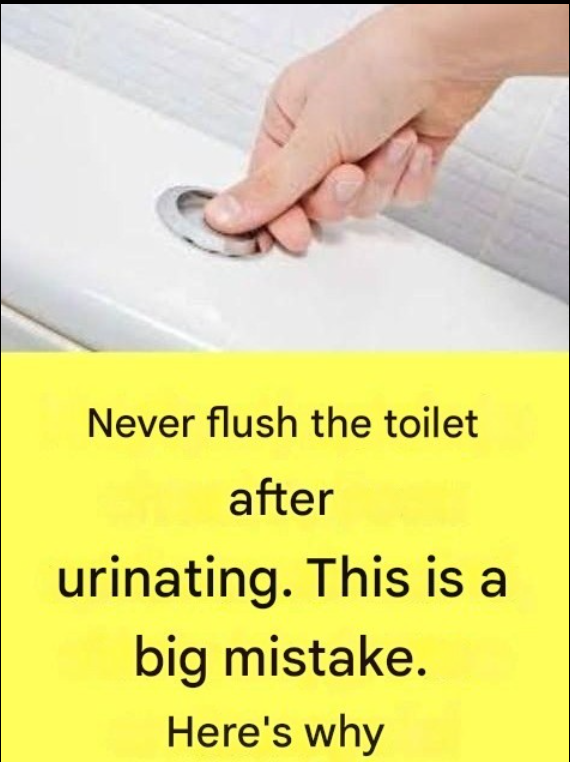
Why Is It Extremely Important Not to Flush the Toilet After Every Urination? This question often sparks a heated debate between those who prioritize pristine bathroom hygiene and those who are increasingly concerned about the environmental footprint of their daily habits. While the habit of flushing every single time is deeply ingrained in modern society as a standard of cleanliness, a growing movement of conservationists and budget-conscious homeowners is suggesting we rethink the “one-and-done” approach to the porcelain throne.
The concept, often summarized by the catchy rhyme “if it’s yellow, let it mellow,” isn’t just a quirky relic of drought-stricken regions anymore. It has evolved into a legitimate discussion about resource management, infrastructure strain, and the hidden costs of our most basic household routines. Understanding the logic behind this shift requires looking past the initial “ick factor” and examining the tangible impact of every gallon of water we send down the drain.
Table of Contents
The Massive Environmental Cost of a Single Flush
To understand why is it extremely important not to flush the toilet after every urination, we have to look at the sheer volume of water consumed by modern plumbing. On average, a person urinates six to eight times a day. If you are using an older, high-flow toilet, each flush can use between 3.5 to 7 gallons of water. Even with modern “low-flow” models, you are looking at roughly 1.2 to 1.6 gallons per flush. 💧
When you multiply those numbers by every member of a household, the statistics are staggering. For a family of four, flushing after every single trip to the bathroom can result in over 30,000 gallons of clean, drinkable water being wasted every year just to move a small amount of liquid waste. This isn’t just about “saving water” in a general sense; it’s about the energy required to treat that water, pump it to your home, and then treat the resulting sewage again at a municipal plant. Reducing flush frequency is one of the most immediate ways a household can reduce its carbon footprint without spending a dime on new technology.
The Financial Benefits for Your Household
Beyond the environmental ethics, there is a very practical reason to consider this habit: your monthly utility bill. Water rates are rising across the globe as infrastructure ages and fresh water becomes a more precious commodity. By choosing not to flush after every urination—perhaps opting to flush every second or third time—you can significantly lower your water consumption.
In many municipalities, sewage fees are tied directly to water usage. This means you are essentially paying twice for every flush: once to get the water into the tank and once to send it away. Over the course of a year, the savings can add up to hundreds of dollars. For those on a tight budget or anyone looking to optimize their home expenses, this simple behavioral shift provides a high return on investment for very little effort. 🌍
Addressing the Hygiene and Odor Concerns
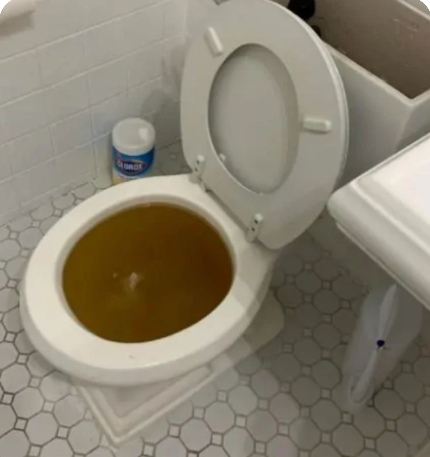
The primary resistance to this practice usually stems from concerns about smell and bacteria. It is important to clarify that urine is typically sterile when it leaves the body of a healthy person. While it can develop an ammonia-like scent if left for a long period due to the breakdown of urea by bacteria, this usually takes several hours or even a day to become noticeable in a well-maintained bathroom.
To implement this practice hygienically, many people follow a few simple guidelines:
- The “Mellow” Limit: Only let it “mellow” if it is just urine. Anything else requires an immediate flush to prevent odors and staining.
- Keep the Lid Down: Keeping the toilet lid closed prevents any potential “toilet plume” (the fine mist of water droplets) from spreading when you eventually do flush.
- Regular Cleaning: If you flush less often, you may need to swish the bowl with a brush or a bit of vinegar more frequently to prevent mineral buildup or a “ring” around the water line.
Interestingly, frequent flushing can actually contribute to a less hygienic environment by aerosolizing bacteria into the air. By flushing less often and keeping the lid closed, you might actually be keeping your bathroom air cleaner. 🧼
Impact on Plumbing and Septic Systems
For those living in rural areas with septic systems, the benefits are even more pronounced. Septic tanks rely on a delicate balance of bacteria to break down waste, and they have a limited capacity for liquid. Overloading a septic system with excessive water—often called “hydraulic loading”—can prevent the solids from settling properly and lead to system failure.
By reducing the number of flushes, you extend the life of your septic system and reduce the frequency (and cost) of having the tank pumped. Even for those on city sewers, reducing the volume of liquid waste helps lower the stress on aging municipal pipes, preventing overflows during heavy rainstorms when treatment plants are at peak capacity.
Moving Toward a More Sustainable Bathroom Routine
Transitioning to this habit doesn’t have to be an all-or-nothing commitment. Many families start by implementing the rule only at night to avoid waking others with the sound of a loud flush, or they designate certain bathrooms in the house for “low-flush” use.
It is also worth mentioning that modern technology is catching up to this conservation mindset. Dual-flush toilets, which provide a lower-volume flush for liquids and a higher-volume flush for solids, are a fantastic middle ground. However, until everyone has access to these upgrades, changing our behavior remains the most effective tool we have. 🚽✨
Does the thought of saving thousands of gallons of water outweigh the social taboo of “letting it mellow” in your home?
The choice to change how we use the most common seat in the house is a personal one, but the data is clear. By being more intentional with our plumbing, we save money, protect our local ecosystems, and preserve a vital resource for future generations. Next time you reach for the handle, consider if that one trip really requires a full gallon of filtered water.
Summary: Changing your flushing habits is a simple, no-cost way to significantly reduce household water waste, lower utility bills, and decrease the strain on local infrastructure and septic systems. While it requires a shift in mindset regarding bathroom etiquette, the environmental and financial rewards are substantial. Would you be willing to try this for one week to see the difference in your water usage?
Why Is It Extremely Important Not to Flush the Toilet After Every Urination?
