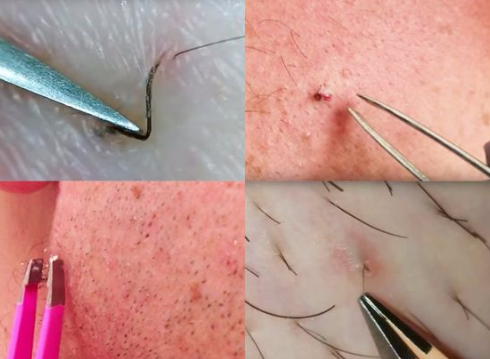
An ingrown hair is a strand of hair that curls back or grows sideways into the skin instead of rising up from it. This seemingly minor issue affects millions of people worldwide, causing discomfort, inflammation, and sometimes lasting skin concerns. Whether you shave regularly, wax occasionally, or simply deal with naturally coarse hair, understanding ingrown hairs can help you prevent and treat them effectively.
Table of Contents
The Science Behind Ingrown Hairs
When hair grows normally, it emerges from the follicle and breaks through the skin’s surface without complications. However, several factors can disrupt this natural process. Dead skin cells can clog the follicle opening, forcing the hair to grow sideways under the skin. In other cases, naturally curly or coarse hair may loop back and re-enter the skin after being cut.
The body recognizes this trapped hair as a foreign object, triggering an inflammatory response. This reaction causes the characteristic redness, swelling, and tenderness associated with ingrown hairs. In some instances, the area may fill with pus, resembling a small pimple or boil.
Common Causes of Ingrown Hairs
Managing Body Hair
For arms, legs, and other body areas, the same basic principles apply. Proper preparation, careful technique, and consistent aftercare make the difference between smooth skin and problematic ingrown hairs.
Living with Ingrown Hair Susceptibility
Some individuals remain more prone to ingrown hairs regardless of their prevention efforts. If you fall into this category, accepting that occasional ingrown hairs may occur helps reduce frustration. Focus on managing them properly when they appear rather than achieving complete prevention.
Keep a simple treatment kit accessible containing warm compresses, gentle exfoliants, and topical treatments. This preparation allows you to address ingrown hairs promptly when they develop.
Document which hair removal methods work best for your skin type and hair texture. Everyone responds differently to various techniques, so what works for friends or family members may not suit you. Through trial and observation, you’ll discover your optimal approach.
The Bottom Line on Ingrown Hairs
Ingrown hairs represent a common, typically harmless condition that causes discomfort and cosmetic concerns for many people. Understanding why they occur, recognizing the symptoms early, and knowing effective treatment methods empowers you to manage this issue successfully.
Prevention through proper hair removal techniques, regular exfoliation, and good skin care habits reduces ingrown hair frequency for most individuals. When they do occur, gentle treatment and patience usually resolve them without complications.
Remember that persistent, painful, or infected ingrown hairs warrant professional medical attention. Dermatologists possess the expertise and tools to address complicated cases and can recommend personalized prevention strategies based on your unique skin and hair characteristics.
By taking a thoughtful, informed approach to hair removal and skin care, you can minimize ingrown hairs and maintain healthy, comfortable skin throughout your body. Hair Removal Methods
Shaving ranks as the leading cause of ingrown hairs. When you shave, the razor cuts the hair at a sharp angle, creating a pointed tip that can easily pierce the skin as it grows back. Shaving too closely or against the direction of hair growth increases this risk significantly.
Waxing and tweezing can also contribute to the problem. These methods remove hair from the root, and as new hair grows back, it may struggle to break through the skin’s surface, especially if the follicle opening has narrowed.
Hair Texture and Type
People with curly, coarse, or thick hair face a higher likelihood of developing ingrown hairs. The natural curl pattern makes it easier for hair to loop back into the skin. This explains why ingrown hairs commonly affect individuals of African, Hispanic, and Mediterranean descent.
Tight Clothing
Wearing tight pants, underwear, or workout gear creates friction against the skin. This constant rubbing can push hairs back into their follicles and irritate the skin, making ingrown hairs more likely to develop.
Dead Skin Buildup
When dead skin cells accumulate on the surface, they can block hair follicles. This blockage prevents new hair from emerging properly, forcing it to grow underneath the skin instead.
Recognizing Ingrown Hair Symptoms
Early Signs
The first indication of an ingrown hair often appears as a small, raised bump on the skin. This bump may be pink, red, or match your skin tone. You might notice it in areas where you regularly remove hair, such as the face, neck, armpits, legs, or bikini area.
Progressive Symptoms
As the condition develops, the affected area may become:
- Tender or painful to the touch
- Itchy and irritating
- Darker than the surrounding skin
- Filled with pus or fluid
- Inflamed with noticeable swelling
Some people can see the hair trapped beneath the skin’s surface, appearing as a dark line or loop. In cases where infection sets in, the bump may grow larger and more painful, potentially developing into a cyst.
Where Ingrown Hairs Commonly Appear
Men frequently experience ingrown hairs on the face, particularly around the beard area, and on the neck. These areas receive regular shaving attention, making them prime locations for hair to become trapped.
Women often deal with ingrown hairs on the legs, bikini line, and underarms. These zones undergo frequent hair removal through various methods, increasing the likelihood of hair growing back improperly.
The pubic region presents a particularly challenging area for both men and women. The coarse, curly nature of pubic hair combined with frequent removal methods creates perfect conditions for ingrown hairs to develop.
Effective Treatment Approaches
At-Home Care
Most ingrown hairs resolve themselves without medical intervention. Patience often proves to be the most effective treatment. As the hair grows longer, it may eventually break through the skin’s surface naturally.
Stop removing hair from the affected area temporarily. This break allows the skin to heal and gives trapped hairs a chance to emerge properly. Continuing to shave or wax will only worsen the irritation.
Apply warm compresses to the area several times daily. The warmth softens the skin and may help the hair work its way out. Simply soak a clean washcloth in warm water, wring it out, and hold it against the affected spot for 10 to 15 minutes.
Gentle Exfoliation
Use a mild exfoliating scrub or a soft brush to gently remove dead skin cells around the ingrown hair. This process can help clear the follicle opening and allow the hair to emerge. However, avoid harsh scrubbing, which can further irritate the skin.
Chemical exfoliants containing salicylic acid or glycolic acid work effectively without physical abrasion. These ingredients dissolve the bonds holding dead skin cells together, promoting natural skin shedding.
Topical Treatments
Over-the-counter creams containing benzoyl peroxide or salicylic acid can reduce inflammation and prevent infection. Apply these products according to package directions, typically once or twice daily.
Hydrocortisone cream helps minimize itching and reduces swelling associated with ingrown hairs. Use a low-strength formula to avoid skin thinning with prolonged use.
When to Seek Professional Help
Consult a healthcare provider or dermatologist if you experience:
- Severe pain or significant swelling
- Signs of infection, including increasing redness, warmth, or pus
- Ingrown hairs that persist for several weeks
- Recurrent ingrown hairs causing scarring or dark spots
- Multiple ingrown hairs affecting large areas
A medical professional can safely extract deeply embedded hairs using sterile instruments. They may also prescribe stronger topical treatments or oral antibiotics if infection has developed.
Prevention Strategies That Actually Work
Optimize Your Hair Removal Technique
If you prefer shaving, always use a sharp, clean razor. Dull blades require multiple passes over the same area, increasing irritation and the risk of ingrown hairs. Replace disposable razors after five to seven uses, and clean reusable razors thoroughly after each use.
Shave in the direction of hair growth rather than against it. While this may not provide as close a shave, it significantly reduces the chance of hairs becoming ingrown. Apply a quality shaving cream or gel to soften hair and provide a protective barrier between the razor and your skin.
Rinse the razor blade after every stroke to prevent hair and shaving cream buildup. This simple step ensures a cleaner, more effective shave with less skin irritation.
Consider Alternative Hair Removal Methods
Laser hair removal offers a long-term solution for people prone to ingrown hairs. This treatment damages hair follicles, reducing hair growth over time. While it requires multiple sessions and represents a financial investment, many find it worthwhile for preventing chronic ingrown hairs.
Depilatory creams dissolve hair at the skin’s surface. Since these products don’t cut the hair at a sharp angle like razors, they reduce ingrown hair risk. However, test any new product on a small skin area first, as some people experience sensitivity.
If you choose to continue waxing, ensure you visit an experienced professional who uses proper techniques and maintains strict hygiene standards.
Maintain Healthy Skin
Exfoliate regularly between hair removal sessions. Two to three times weekly, use a gentle scrub or chemical exfoliant to prevent dead skin buildup. This practice keeps follicles clear and allows hair to grow through the skin’s surface properly.
Moisturize daily with a non-comedogenic lotion. Well-hydrated skin remains supple and less likely to trap growing hairs. Look for products labeled “non-comedogenic” to avoid clogging pores.
Avoid wearing extremely tight clothing immediately after hair removal. Give your skin at least 24 hours to recover before putting on form-fitting pants, underwear, or athletic wear.
Understanding Potential Complications
Infection
When bacteria enter the irritated area around an ingrown hair, infection can develop. Signs include increased pain, warmth, swelling, and pus formation. Some infections may spread, requiring antibiotic treatment.
Hyperpigmentation
Chronic inflammation from recurrent ingrown hairs can cause dark spots or patches on the skin. These areas of hyperpigmentation may persist long after the ingrown hair resolves, particularly in people with darker skin tones.
Scarring
Repeatedly picking at or attempting to dig out ingrown hairs can damage the skin and lead to permanent scarring. Some people develop raised scars called keloids, which grow beyond the original injury site.
Pseudofolliculitis Barbae
This chronic condition, commonly known as razor bumps, occurs when numerous ingrown hairs develop in the beard area. It predominantly affects Black men with curly facial hair and can cause significant discomfort and cosmetic concerns.
Special Considerations for Different Body Areas
Facial Ingrown Hairs
The face requires particularly gentle treatment due to its visible location and sensitive skin. Men who experience chronic ingrown hairs in the beard area might benefit from growing facial hair rather than maintaining a clean shave. Even a short beard can prevent the cycle of ingrown hairs.
For women dealing with facial hair removal, threading or professional laser treatments often work better than shaving or depilatory creams on this delicate area.
Bikini Line Concerns
The bikini area presents unique challenges due to coarse hair and sensitive skin. If you must remove hair from this region, trim rather than removing hair completely. Leaving some length prevents the sharp ends of hair from piercing the skin.
Consider the hair removal timing carefully. Avoid waxing or shaving immediately before wearing a swimsuit or engaging in activities that cause friction in this area. Give your skin time to calm down after hair removal.
