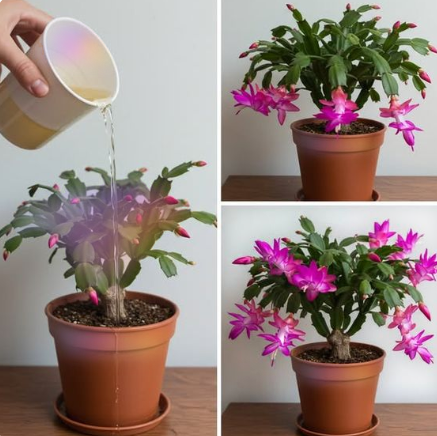
Unlocking the bloom on your Christmas cactus is one of the most rewarding experiences for any plant lover. Known for its vibrant, cascading flowers that brighten homes during the holiday season, this beloved houseplant is both stunning and surprisingly low-maintenance — if you know its secrets. Many people struggle to make their Christmas cactus bloom year after year, but with a few simple tricks, you can enjoy a profusion of spectacular flowers that last for weeks.
Table of Contents
Understanding Your Christmas Cactus
Before diving into the blooming secrets, it helps to understand your plant. Despite its name, the Christmas cactus (Schlumbergera bridgesii) isn’t a desert cactus — it’s a tropical one, native to the humid forests of Brazil. This means it thrives in bright, indirect light and prefers moderate humidity rather than dry desert conditions.
The Christmas cactus typically blooms in late fall or winter, producing brilliant pink, red, white, or purple flowers that can last well into the new year. But getting it to bloom requires mimicking the plant’s natural rhythm.
The Secret to Spectacular Flowers
The key to unlocking the bloom lies in controlling three essential factors: light, temperature, and watering. When balanced correctly, these conditions signal the plant that it’s time to flower.
1. Light: The Natural Trigger for Blooms
Light plays the most critical role in stimulating flowering. The Christmas cactus is a “short-day” plant, meaning it needs long nights and shorter days to initiate blooming.
How to Do It Right:
- Limit daylight exposure: Starting in early autumn, give your plant about 12–14 hours of darkness each night for at least six weeks.
- Avoid artificial light: Even brief exposure to indoor lighting during the night can interrupt the blooming process.
- Move it to a cool, dimly lit room: A quiet corner away from bright indoor lights is ideal.
After several weeks of this cycle, you’ll start to see small buds forming at the tips — a sure sign that flowering season is coming.
2. Temperature: Cool Nights, Mild Days
Temperature is another natural cue for your Christmas cactus to start producing buds. It prefers cool nights and moderate daytime warmth.
Ideal Conditions for Bud Formation:
- Night temperature: Around 55–60°F (13–15°C)
- Daytime temperature: Around 65–70°F (18–21°C)
- Avoid sudden temperature changes: Drafts, heaters, or air conditioning can stress the plant and cause buds to drop prematurely.
A slight chill at night helps the plant conserve energy and focus on bloom development — one of nature’s gentle nudges to flower.
3. Watering: Less Is More Before Blooming
While it’s a tropical cactus, the Christmas cactus doesn’t like soggy roots. Overwatering can quickly lead to root rot or dropped buds.
Watering Tips:
- During bud formation: Water sparingly. Allow the top inch of soil to dry before watering again.
- During flowering: Increase watering slightly to keep the soil lightly moist.
- After blooming: Reduce watering for a few weeks to let the plant rest.
Use room-temperature water and make sure your pot has good drainage. Standing water is one of the main reasons Christmas cacti fail to thrive.
Feeding the Bloom: Natural Fertilization Tips
Once buds appear, your plant will benefit from a boost of nutrients.
Best Fertilizer Practices:
- Use a balanced, water-soluble fertilizer (such as 10-10-10 or 20-20-20) once a month during the growing season — from spring through early autumn.
- Stop feeding about a month before the flowering period to let the plant focus on bud development rather than leaf growth.
- After the blooming phase, resume feeding in the spring to encourage healthy new growth.
For a natural alternative, a diluted mix of compost tea or seaweed extract provides a gentle nutrient boost that keeps your plant strong without chemical buildup.
Extra Secrets for Abundant Blooms
1. Give It a Rest Period
After blooming, your Christmas cactus needs rest. Cut back on watering and keep it in a cool, shaded area for about 6–8 weeks. This helps it store energy for the next flowering season.
2. Repot Only When Necessary
Christmas cacti prefer to be slightly root-bound. Repotting too often can disrupt their blooming cycle. Every 2–3 years is sufficient, ideally in late winter after the flowers fade.
3. Maintain Humidity
In dry indoor air, place a small tray of water and pebbles beneath the pot or use a humidifier. Humidity helps keep the plant hydrated and prevents buds from drying out.
Common Problems and How to Fix Them
Buds Falling Off:
Usually caused by sudden changes in temperature or watering routines. Keep conditions stable and avoid moving the plant once buds appear.
No Blooms Forming:
Check your light cycle — your cactus might be getting too much light at night or not enough cool air during the day.
Wilted Leaves:
This is a sign of overwatering. Let the soil dry completely before watering again and ensure good drainage.
Propagation: Share the Beauty
Once your Christmas cactus is thriving, you can easily share its beauty. Simply cut a segment of 2–3 leaf joints, let it dry for a day, then plant it in moist soil. Keep it in indirect light, and it will root within a few weeks — a perfect gift for friends or family.
Final Thoughts
Unlocking the bloom on your Christmas cactus doesn’t require complex tricks — just a little understanding of what this tropical beauty needs. By adjusting light, temperature, and watering at the right times, you’ll be rewarded with spectacular, vibrant flowers that transform your home during the holiday season.
With a touch of care and patience, your Christmas cactus will not only bloom beautifully this year but will continue to brighten your winters for decades to come.
