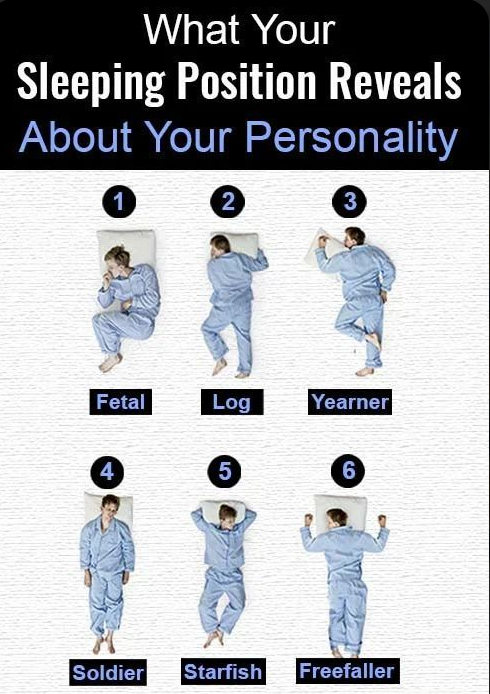
How your sleeping position reveals your personality without you even realizing it might sound like something from a fortune teller’s playbook, but there’s actually fascinating research behind this connection. Every night, as you drift off to sleep, your body naturally assumes a position that feels most comfortable—and according to sleep experts and psychologists, that position says more about who you are than you might think.
We spend roughly a third of our lives sleeping, and during those precious hours of rest, our conscious mind takes a backseat. The position we naturally gravitate toward when we’re most vulnerable and relaxed can offer genuine insights into our personality traits, emotional states, and even how we approach relationships and challenges in our waking life.
Let’s dive deep into what your preferred sleeping position might be revealing about the real you.
Table of Contents
The Science Behind Sleep Positions and Personality
Before we explore specific positions, it’s worth understanding why there might be a connection between how we sleep and who we are.
What Research Actually Says
Sleep researchers and psychologists have been studying this connection for decades. One of the most cited studies comes from Professor Chris Idzikowski, a British sleep expert who surveyed over 1,000 participants about their sleeping positions and personality traits. His findings suggested correlations between certain positions and specific personality characteristics.
While it’s important to note that sleep position isn’t a definitive personality test like the Myers-Briggs or Big Five assessments, the patterns are intriguing enough that many psychologists consider them worth examining as one piece of the personality puzzle.
The Body Language We Don’t Control
When we’re awake, we consciously control our body language to some degree. We might cross our arms when feeling defensive, smile to appear friendly, or maintain eye contact to seem confident. But when we sleep, these conscious filters disappear entirely.
Our sleeping position represents pure, unfiltered body language—a physical manifestation of how we truly feel when all guards are down. This authenticity is precisely what makes sleep positions such a fascinating window into personality.
Physical Comfort Meets Psychological Comfort
The position that feels physically comfortable often aligns with what makes us psychologically comfortable. Someone who sleeps in an open, sprawling position might also be more open in their approach to life, while someone who curls up tightly might prefer security and protection in their daily interactions.
The Fetal Position: The Most Common Sleep Style
Curling up on your side with your knees drawn toward your chest is the most popular sleeping position worldwide, with studies suggesting that roughly 41% of people sleep this way.
What This Position Says About You
If you’re a fetal position sleeper, you likely have a tough exterior but a sensitive interior. Think of it as your body’s way of protecting your vulnerable core. People who prefer this position tend to be warm and caring once you get to know them, but they might appear shy or reserved when first meeting someone.
Fetal sleepers often process their emotions deeply and may overthink situations. They’re typically conscientious, organized, and detail-oriented. There’s often a desire for comfort and security in both their physical environment and their relationships.
The Gender Factor
Interestingly, women are twice as likely as men to sleep in the fetal position. This might relate to both biological factors and socialized emotional expression patterns, though the exact reasons remain a topic of ongoing research.
Variations of the Fetal Position
Not all fetal positions are created equal. A loose fetal position—where your legs are slightly bent rather than tightly tucked—suggests a more balanced personality. You still value security but you’re also reasonably relaxed and adaptable.
A very tight fetal position, on the other hand, might indicate higher levels of anxiety or stress. If you find yourself sleeping in an increasingly tighter curl, it might be your body’s way of signaling that you need more emotional support or stress relief in your waking life.
The Log Position: Side Sleeping with Straight Legs
About 15% of people sleep on their side with both arms down and legs relatively straight, resembling a log.
The Social Butterfly Personality
Log sleepers are often described as easy-going, social, and trusting. They tend to be the people everyone wants at a party—approachable, friendly, and comfortable in group settings. There’s an openness to this position that mirrors an openness to new experiences and people.
The Trust Factor
Sleeping in such an exposed position, without curling up for protection, suggests a fundamental trust in the world around you. Log sleepers typically don’t spend much time worrying about worst-case scenarios. They’re optimistic and tend to take people at face value.
Potential Gullibility
The downside? That trusting nature can sometimes verge on gullibility. Log sleepers might be more susceptible to manipulation or might not always see red flags in relationships as quickly as more guarded personality types.
The Yearner Position: Reaching Out While Sleeping
The yearner sleeps on their side with arms stretched out in front, as if reaching for something. Approximately 13% of people adopt this sleeping style.
Complex Decision-Making Personalities
If you sleep like a yearner, you’re likely someone who approaches decisions carefully. You weigh options thoroughly, consider multiple perspectives, and don’t rush into commitments. This thoughtful approach serves you well in complex situations.
The Stubborn Streak
Once yearners do make a decision, they stick with it. There’s a determined quality to this personality type. You’re open-minded during the evaluation phase, but once you’ve made up your mind, you’re remarkably resistant to changing course.
Cynical Yet Open
Yearners present an interesting paradox—they’re often cynical or suspicious initially, but once trust is earned, they’re loyal and open. This position literally looks like reaching out while maintaining some self-protection, which perfectly captures this personality dynamic.
The Soldier Position: Flat on Your Back, Arms at Sides
Only about 8% of people sleep in the soldier position—lying on their back with arms straight down at their sides.
The Strong, Silent Type
Soldier sleepers are typically quiet, reserved, and hold themselves to high standards. There’s a discipline and structure to both their sleeping position and their approach to life. These are the people who value order, have high expectations for themselves and others, and prefer to let their actions speak louder than words.
The Perfectionist Tendency
If this is your preferred sleeping position, you might recognize perfectionist tendencies in yourself. You likely have a strong moral compass and clear ideas about right and wrong. You take your responsibilities seriously and don’t make excuses when things don’t go as planned.
Loyalty and Reliability
Friends and family of soldier sleepers often describe them as loyal and reliable. When you commit to something, people know they can count on you. You might not be the most outwardly emotional person, but your dedication speaks volumes.
The Snoring Connection
One practical note: soldier position sleepers are more likely to snore and may experience sleep apnea symptoms. If this is you and you’re experiencing sleep quality issues, it might be worth discussing with a healthcare provider.
The Starfish Position: Sprawled Out on Your Back
About 5% of people sleep in the starfish position—on their back with arms up near their head or sprawled out, legs spread.
The Selfless Friend
Starfish sleepers are often the best listeners in their social circle. They’re typically loyal friends who make supporting others a priority. There’s a generosity of spirit that matches the expansive nature of their sleeping position.
Dislike of Being the Center of Attention
Despite their openness (literally taking up space in bed), starfish sleepers often prefer to stay out of the spotlight. They’re more comfortable being the supportive friend than the star of the show. They’d rather help someone else shine than seek attention for themselves.
The Space They Need
Emotionally and physically, starfish sleepers need space. In relationships, they value independence and might struggle with partners who are too clingy. This isn’t about lack of commitment—it’s about needing room to breathe and be themselves.
The Freefaller Position: Face Down, Arms Wrapped Around Pillow
Sleeping on your stomach with your arms wrapped around or under your pillow, head turned to one side, is known as the freefaller position. It’s one of the less common positions.
The Bold and Brash Exterior
Freefaller sleepers often have bold, sociable personalities. They can be outspoken, gregarious, and the life of the party. There’s an extroverted energy to people who sleep in this position.
The Sensitive Core
Despite the bold exterior, freefallers are often surprisingly sensitive to criticism. They might seem thick-skinned, but harsh words or rejection can hurt them deeply. This combination of brash confidence and inner sensitivity creates an interesting personality dynamic.
Control and Anxiety
The freefaller position is sometimes associated with a desire for control. Psychologically, holding onto the pillow might represent a need to grasp control of situations. Freefallers might experience anxiety when they feel things are out of their control.
Difficulty Accepting Criticism
If you’re a freefaller, you might recognize a tendency to become defensive when criticized. You prefer situations where you have agency and influence, and you might struggle in circumstances where you feel powerless or subject to others’ decisions without input.
What If You Change Positions During the Night?
Most people don’t stay in one position all night long. We typically shift positions anywhere from 10 to 30 times during sleep.
Your Dominant Position Matters Most
The position you fall asleep in and the one you naturally gravitate toward most often throughout the night is considered your dominant position. This is the one that best reflects your personality, not the brief moments you spend in other positions.
Position Changes and Life Changes
Some sleep researchers suggest that significant life changes can influence our sleeping positions. Going through a stressful period might cause someone to curl up more tightly. Feeling more confident and secure might lead to more open sleeping positions.
Couples and Compromise
If you share a bed, your sleeping position might be influenced by your partner’s presence. You might naturally prefer a starfish position but compromise into a log position due to space constraints. In these cases, pay attention to how you sleep when you have the bed to yourself—that’s your true personality indicator.
Sleeping Positions and Relationship Dynamics
How couples sleep together reveals fascinating insights into their relationship dynamics.
The Spoon Position
When one partner curves around the other from behind, it suggests a protective, nurturing dynamic. The “big spoon” typically feels protective, while the “little spoon” feels secure and cherished. It’s a position that indicates trust, affection, and emotional connection.
The Back-to-Back Positions
Sleeping back-to-back doesn’t necessarily mean trouble. If you’re touching—even just your backs or feet—it suggests comfortable independence within a secure relationship. You’re both confident enough to face away but still want that physical connection.
However, back-to-back with no touching might indicate some emotional distance or unresolved conflict, especially if this represents a change from your usual sleeping arrangement.
The Face-to-Face Position
Sleeping face-to-face is relatively rare and is often seen in newer relationships or during particularly connected periods. It suggests intense intimacy, though it’s difficult to maintain throughout the entire night.
The Space Hog
If one partner consistently takes up most of the bed, it might reflect dominance dynamics in the relationship. The person who spreads out is often the more dominant or demanding partner, while the one who curls up small might be more accommodating or have lower self-esteem.
Cultural and Environmental Factors to Consider
Before you completely psychoanalyze yourself based on your sleeping position, it’s worth considering other factors that influence how we sleep.
Cultural Sleeping Norms
Different cultures have different sleeping norms that can influence positions. In some cultures, co-sleeping with children is standard, which necessarily affects sleeping positions. Futon-style sleeping surfaces versus elevated beds might also influence natural sleeping positions.
Physical Health Considerations
Sometimes your sleeping position is dictated by physical factors rather than personality. Back pain might force you into a fetal position even if your personality would suggest a different natural preference. Pregnancy, injuries, or medical conditions can all override personality-driven sleep positions.
Mattress and Pillow Quality
A too-soft or too-firm mattress, inadequate pillow support, or uncomfortable bedding can all force you into positions that aren’t truly reflective of your personality. Your “true” sleeping position can only emerge when you’re physically comfortable.
Temperature and Environment
Room temperature, pajama comfort, and whether you share your bed all impact sleeping positions. Someone might naturally be a starfish sleeper but curl up when it’s cold, or sprawl out when it’s too warm.
Can You Change Your Personality by Changing Your Sleep Position?
This question fascinates many people: if sleeping positions reflect personality, can deliberately changing how you sleep change who you are?
The Mind-Body Connection
There’s some evidence that changing physical habits can influence mental states. Power posing research (though debated) suggested that adopting confident body language can increase confidence. Could the same principle apply to sleep?
The Practical Reality
Consciously maintaining a specific sleeping position throughout the night is nearly impossible. Your body will naturally assume its preferred position once you’re deeply asleep. You can’t fake your sleep position the way you might fake confidence in a meeting.
What Might Actually Work
Rather than trying to force a new sleeping position, you might have better luck addressing the underlying personality traits or emotional states. If you sleep in a tight fetal position and want to be more open and relaxed, working on those traits through therapy, meditation, or lifestyle changes might eventually manifest in a more open sleeping position—not the other way around.
Using This Knowledge for Better Self-Understanding
So what should you actually do with this information about sleeping positions and personality?
Self-Reflection Tool
Think of your sleeping position as one more data point in understanding yourself. If you’re a fetal sleeper who also recognizes sensitivity and a need for security in your waking life, this pattern can help you understand your needs better.
Communication in Relationships
Understanding that your partner’s sleeping position reflects their personality can foster empathy. If your partner sleeps in a way that indicates they need space, you might approach intimacy and closeness differently, respecting their fundamental needs.
Stress Indicators
Pay attention to changes in your sleeping position. If you typically sleep in a relaxed position but find yourself curling up tightly during a stressful period, your body might be telling you something important about your emotional state.
Not a Definitive Label
Remember that personality is complex and multifaceted. Your sleeping position offers insights, but it doesn’t define you completely. Use this knowledge as a starting point for self-understanding, not as a limiting label.
The Bigger Picture: Sleep and Self-Awareness
The relationship between sleeping positions and personality ultimately points to something larger—the importance of paying attention to what our bodies are telling us.
We live in a world that often prioritizes conscious thought over physical wisdom. We override our body’s signals, push through discomfort, and rarely stop to consider what our unconscious habits might be revealing.
Your sleeping position is just one example of how your body expresses truths that your conscious mind might not acknowledge. Maybe you pride yourself on being tough and independent, but you sleep in a tight fetal position. That contradiction is worth exploring.
Or perhaps you think of yourself as introverted and reserved, but you sprawl out in a starfish position, suggesting an openness you don’t consciously recognize. These disconnections between our self-concept and our unconscious behavior offer rich opportunities for growth and self-understanding.
Final Thoughts on Sleep Positions and Personality
How your sleeping position reveals your personality without you even realizing it demonstrates the fascinating ways our bodies express our inner selves. From the protective fetal position to the open starfish, each sleeping style offers clues about our fears, desires, and fundamental approach to life.
While it’s important not to over-interpret or put too much weight on this single factor, acknowledging the connection between physical habits and personality traits can deepen self-awareness. The next time you wake up, take a moment to notice what position you were in. What might it be saying about who you really are when all your defenses are down?
Understanding yourself is a lifelong journey, and sometimes the answers are found in the quietest moments—literally while you sleep. Your sleeping position is your body’s honest expression of who you are when you’re most vulnerable and authentic. Listen to what it’s telling you.
Sweet dreams, and may your sleeping position reveal strengths you didn’t even know you had.
