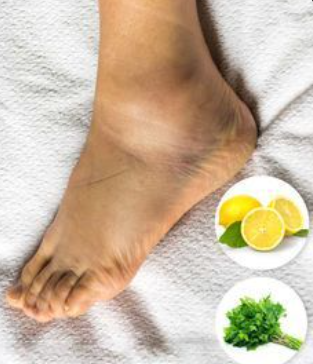
5. Vitamin C: The Multi-Tasker ✨
Vitamin C offers numerous health benefits including support for skin, collagen, immune system, and importantly, blood flow and swelling reduction. This antioxidant strengthens blood vessel walls and supports the lymphatic system in moving fluid properly.
Rich Vitamin C Foods:
- Citrus fruits (oranges, lemons, grapefruits)
- Strawberries and other berries
- Bell peppers
- Broccoli
- Tomatoes
Vitamin C is water-soluble, meaning your body doesn’t store it, so you need to consume it regularly for continued benefits.
Foods That Make Swelling Worse ⚠️
Understanding what to avoid is just as important as knowing what to eat. When your diet is high in salt and low in counterbalancing nutrients like potassium and magnesium, it can trigger or worsen swelling in the feet and ankles.
Limit These Swelling Triggers:
- High-sodium processed foods
- Canned soups and packaged meals
- Deli meats and processed meats
- Chips and salty snacks
- Refined carbohydrates (white bread, pastries)
- Sugary beverages
- Fried foods
Salt pulls water into your tissues and holds it there, creating that puffy feeling. Even foods labeled “low sodium” can contain more salt than you think, so always check nutrition labels.
Simple Daily Strategies 🌟
Getting these nutrients doesn’t require complicated meal plans. Here are easy ways to incorporate them:
Morning: Start with a berry smoothie containing spinach, banana, and flaxseeds for potassium, magnesium, and omega-3s.
Lunch: Enjoy a salad with leafy greens, avocado, and grilled salmon, dressed with lemon juice for vitamin C.
Dinner: Serve baked sweet potato alongside whole grains and steamed broccoli.
Snacks: Reach for unsalted almonds, fresh fruit, or carrot sticks.
Beyond Diet: Complete Swelling Management 💡
While these five nutrients provide powerful support, combine them with other healthy habits for maximum relief:
- Stay hydrated – Drinking enough water actually prevents your body from retaining excess fluid
- Elevate your legs – Rest with feet above heart level for 30 minutes daily
- Move regularly – Exercise promotes healthy circulation
- Wear comfortable shoes – Avoid restrictive footwear that impedes blood flow
When to Seek Medical Help 🏥
Most mild swelling responds well to dietary changes and lifestyle adjustments. However, seek medical attention if you experience:
- Sudden or severe swelling
- Swelling in only one leg
- Pain, redness, or warmth accompanying swelling
- Difficulty breathing or chest pain
- Swelling that doesn’t improve with home remedies
These symptoms could indicate underlying conditions requiring professional treatment.
The Bottom Line
The 5 best nutrients to reduce swelling in the feet and legs – potassium, magnesium, vitamin B1, omega-3 fatty acids, and vitamin C – work together to restore your body’s natural fluid balance. By choosing foods rich in these nutrients while limiting sodium and inflammatory foods, you can naturally reduce uncomfortable swelling and improve your overall health.
Remember, consistency matters more than perfection. Start by adding one or two nutrient-rich foods to your daily meals, and gradually build from there. Your feet and legs will thank you! 🦶✨
Tags: Reduce Swelling in the Feet and Legs