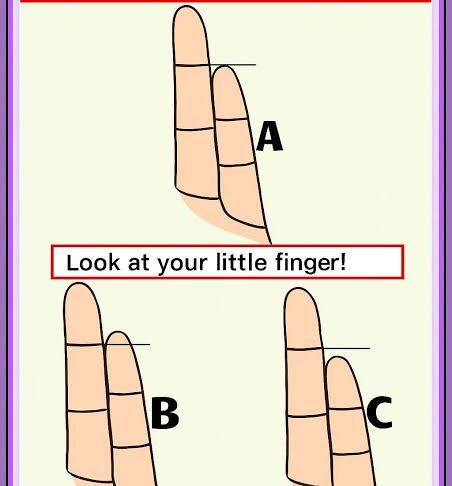
Have you ever looked down at your hands and wondered if they hold secrets about your personality? What’s your pinky finger like compared to the rest of your fingers? This seemingly simple question has captivated people for generations, sparking curiosity about the connection between our physical traits and our approach to romance, relationships, and matters of the heart.
The idea that our pinky fingers might reveal something about our love philosophy has become a fascinating topic in personality analysis and self-discovery circles. While not scientifically proven, this playful form of self-reflection offers an entertaining way to think about how we approach romantic relationships and emotional connections.
Table of Contents
Understanding the Pinky Finger Personality Test
The pinky finger test has gained popularity through social media and personality quizzes as a lighthearted way to explore character traits. The basic premise involves comparing the length and position of your pinky finger to your other fingers, particularly the ring finger.
To properly assess your pinky finger type, place your hand flat on a surface with your fingers together. Look at where your pinky finger reaches in comparison to the top joint of your ring finger. This simple observation forms the basis of the personality assessment.
The Three Main Pinky Finger Types
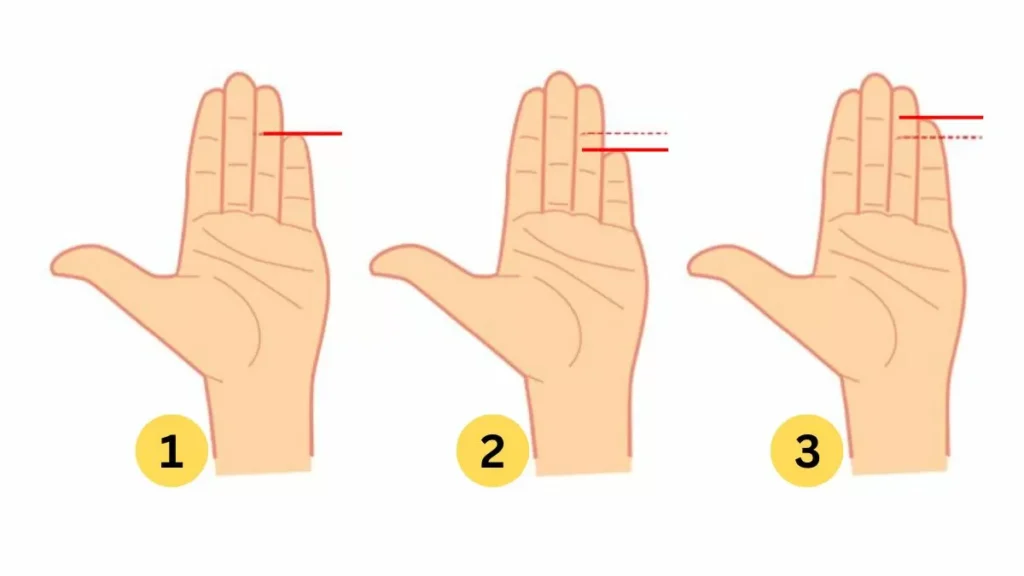
There are generally three categories that people fall into when examining their pinky fingers. Each type supposedly corresponds to different personality traits and approaches to love and relationships.
Type A: The Short Pinky Finger
If your pinky finger doesn’t reach the top joint of your ring finger, you fall into this category. People with shorter pinky fingers are often described as having specific characteristics when it comes to love and relationships.
Love Perspective for Type A
Individuals with shorter pinky fingers are believed to be deeply emotional and sensitive in their approach to love. They tend to wear their hearts on their sleeves and aren’t afraid to show vulnerability with their partners. These people often prioritize emotional connection over everything else in a relationship.
Relationship Characteristics
Type A individuals typically value honesty and transparency above all else. They dislike playing games in relationships and prefer partners who are straightforward about their feelings and intentions. When they commit to someone, they do so wholeheartedly and expect the same level of dedication in return.
They may struggle with opening up initially due to fear of rejection, but once they trust someone, they become incredibly loyal and devoted partners. Their love language often involves quality time and meaningful conversations that strengthen emotional bonds.
Type B: The Even Pinky Finger
When your pinky finger aligns perfectly with the top joint of your ring finger, you belong to Type B. This balanced positioning suggests a harmonious approach to love and life.
Love Perspective for Type B
People with even pinky fingers are thought to have a balanced and rational approach to romance. They understand the importance of both emotional connection and practical considerations in relationships. These individuals rarely rush into love but also don’t overthink things to the point of paralysis.
Relationship Characteristics
Type B personalities are known for their level-headed approach to relationships. They make excellent partners because they can navigate conflicts with calm reasoning while still maintaining emotional sensitivity. They believe in equality and partnership, viewing relationships as a team effort where both people contribute equally.
These individuals tend to be good communicators who express their needs clearly while also being attentive listeners. They appreciate stability but also understand the need for excitement and spontaneity in keeping relationships fresh and engaging.
Type C: The Long Pinky Finger
If your pinky finger extends beyond the top joint of your ring finger, you’re classified as Type C. This longer pinky suggests certain distinctive traits in how you approach matters of the heart.
Love Perspective for Type C
Those with longer pinky fingers are often characterized as independent and confident in their approach to love. They value their personal freedom and need a partner who respects their autonomy. These individuals don’t believe in losing themselves in a relationship and maintain their identity throughout their romantic journey.
Relationship Characteristics
Type C individuals are naturally charismatic and often attract attention without trying. They’re selective about who they let into their lives and won’t settle for relationships that don’t meet their standards. This doesn’t mean they’re cold or distant—quite the opposite. When they find the right person, they’re passionate and committed partners.
They prefer relationships built on mutual respect and admiration rather than dependency. Their ideal partner is someone who has their own interests, goals, and social circles. They believe that two whole individuals make a stronger couple than two halves searching for completion.
The Science Behind Physical Trait Personality Tests
While the pinky finger personality test is entertaining and thought-provoking, it’s important to understand its place in the broader context of personality assessment. These types of tests fall into the category of physiognomy—the practice of assessing character from physical features.
Entertainment vs. Scientific Validity
Modern psychology relies on validated assessment tools and extensive research to understand personality. Tests like the Myers-Briggs Type Indicator or the Big Five personality traits have undergone rigorous scientific scrutiny. The pinky finger test, by contrast, exists primarily as a form of entertainment and self-reflection rather than a diagnostic tool.
That said, there’s value in any exercise that prompts self-examination and reflection on how we approach relationships. Even if the connection between finger length and personality isn’t scientifically established, thinking about your relationship patterns can be beneficial.
What Actually Influences Our Love Philosophy
Our approach to love and relationships is shaped by numerous factors that are far more complex than physical characteristics. Understanding these influences can provide genuine insight into your romantic patterns.
Childhood Experiences and Attachment Styles
Psychologists have identified that our early relationships with caregivers significantly impact how we form romantic attachments as adults. Secure, anxious, and avoidant attachment styles develop during childhood and influence our expectations and behaviors in adult relationships.
Cultural and Social Influences
The society we grow up in shapes our beliefs about love, commitment, and relationships. Cultural norms regarding dating, marriage, and partnership vary widely across the world and significantly influence individual perspectives on romance.
Personal Experiences and Growth
Every relationship we experience teaches us something about ourselves and what we need from a partner. Our love philosophy evolves throughout our lives as we learn from both successful and unsuccessful relationships.
Using Personality Tests for Self-Discovery
Whether you believe in the pinky finger test or view it as pure entertainment, personality assessments can serve as useful tools for self-reflection when approached with the right mindset.
Reflection Questions to Consider
Regardless of your pinky finger type, consider asking yourself these questions about your approach to love: What are your non-negotiables in a relationship? How do you express love and affection? What makes you feel most valued by a partner? How do you handle conflict and disagreement? What role does independence play in your ideal relationship?
Building Self-Awareness
The most valuable aspect of any personality test isn’t necessarily its accuracy but rather the self-reflection it encourages. Taking time to think about your patterns, preferences, and behaviors in relationships can lead to healthier partnerships and better understanding of your needs.
The Fun Factor: Why We Love These Tests
Beyond any claims of accuracy, there’s a reason personality tests based on physical traits remain popular across generations and cultures. They tap into our natural desire to understand ourselves and find patterns that explain human behavior.
Social Connection and Conversation
These tests provide excellent conversation starters and opportunities to connect with others. Comparing results with friends, family, or romantic partners can lead to interesting discussions about relationships and personality differences.
The Barnum Effect
Psychologists recognize something called the Barnum Effect, where people tend to accept vague, general personality descriptions as uniquely applicable to themselves. This phenomenon partially explains why many people feel that personality tests accurately describe them, even when the descriptions are deliberately general.
Creating Healthy Relationships Regardless of Finger Length
At the end of the day, successful relationships depend on factors that everyone can develop, regardless of what their pinky fingers look like.
Communication Skills
Open, honest communication forms the foundation of any strong relationship. Learning to express your needs, listen actively, and navigate difficult conversations will serve you better than any personality test result.
Emotional Intelligence
Understanding and managing your own emotions while empathizing with your partner’s feelings creates the emotional safety necessary for love to flourish.
Mutual Respect and Trust
These fundamental building blocks of healthy relationships transcend personality types and physical characteristics. They’re cultivated through consistent actions and genuine care for your partner’s wellbeing.
Conclusion
So, what’s your pinky finger like? Whether it’s short, even, or long, the most important thing to remember is that you have the power to shape your approach to love through conscious choices and personal growth. While tests like these offer amusing insights and entertaining self-reflection, your capacity for love, connection, and meaningful relationships extends far beyond any physical trait.
Use this exploration as a starting point for deeper self-awareness, but don’t let it limit your understanding of your complex, multifaceted personality. The beauty of human relationships lies in their diversity and the unique way each individual experiences and expresses love.
Take what resonates with you from this personality exploration, laugh at the coincidences, and focus on developing the qualities that truly matter in relationships: kindness, respect, communication, and genuine affection. Your pinky finger might be interesting to analyze, but your heart, mind, and actions will always be the true indicators of your love philosophy.
