For an even simpler approach, you can skip heating the brine entirely. Whisk together apple cider vinegar, water, honey (instead of granulated sugar), salt, and pepper until the honey dissolves. This cold brine method works beautifully and saves time, though the pickling process takes slightly longer in the refrigerator.
The honey adds a different depth of sweetness compared to granulated sugar, creating a more complex flavor profile. This method is perfect when you’re short on time or don’t want to heat up your kitchen.
Old-Fashioned Canning Method for Shelf Storage
If you want shelf-stable pickled beets that last for months without refrigeration, water bath canning is the way to go.
Additional Equipment Needed
- Water bath canner or large pot deep enough to cover jars by 1-2 inches
- Canning jars (pint or quart size) with new lids and bands
- Jar lifter and canning funnel
- Clean towels
Canning Process
Follow the same cooking and slicing instructions for the beets. Prepare your brine with vinegar, sugar, salt, and spices.
Sterilize your jars by boiling them for 10 minutes or running them through a dishwasher cycle. Keep them hot until ready to fill.
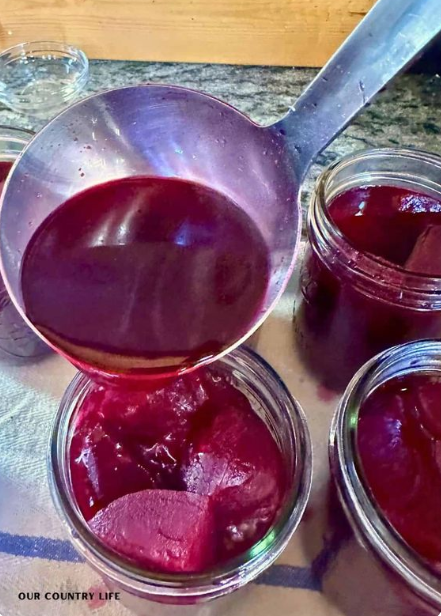
Pack hot beet slices into hot jars, leaving ½ inch headspace at the top. Ladle hot brine over the beets, maintaining that ½ inch headspace. Remove air bubbles by running a non-metallic utensil around the inside of the jar.
Wipe the jar rims clean, place lids on top, and screw on bands until fingertip tight—not overly tight. Process pint jars in a boiling water bath for 30 minutes, adjusting for altitude if necessary.
Remove jars carefully and let them cool undisturbed for 12-24 hours. You’ll hear the satisfying “pop” of seals forming. Properly sealed jars remain shelf-stable for 12-18 months in a cool, dark place.
Creative Flavor Variations
Spiced Pickled Beets
Add warming spices to your brine for depth and complexity. Combine cinnamon sticks, whole cloves, star anise, and a few allspice berries with your standard brine. These spices transform simple pickled beets into something special enough for holiday tables.
The warm spices pair beautifully with the beets’ natural earthiness, creating a flavor that’s reminiscent of mulled wine or holiday cider.
Pickled Beets with Onions
Add thinly sliced red or yellow onions to your jars along with the beets. The onions pickle beautifully alongside the beets and add sharpness that contrasts nicely with the sweet beets. Use a ratio of about one medium onion per four beets.
Honey-Ginger Pickled Beets
Replace granulated sugar with honey and add fresh grated ginger to the brine. This variation creates an Asian-inspired flavor profile that’s excellent with grain bowls and roasted vegetables.
Pickled Beets with Fresh Herbs
Add fresh dill, thyme, or rosemary sprigs to your jars before pouring the brine. The herbs infuse subtle aromatic notes that make these pickled beets particularly good alongside rich meats and cheeses.
Golden Beets vs. Red Beets
While most pickled beets recipes use red beets, golden beets work equally well and offer some advantages. They have a slightly milder, sweeter flavor than red beets and won’t stain everything they touch that intense magenta color.
You can pickle red and golden beets separately to create visually stunning presentations. Just remember to process them in separate jars—mixing them means your golden beets will turn pink from the red beets’ color bleeding.
Storage and Shelf Life
Refrigerator Pickled Beets
Quick pickled beets stored in the refrigerator last up to 6 weeks, though I find they taste best within the first month. The beets remain crisp and the flavors stay bright during this window.
Always use clean utensils when removing beets from the jar to prevent introducing bacteria that could shorten shelf life.
Canned Pickled Beets
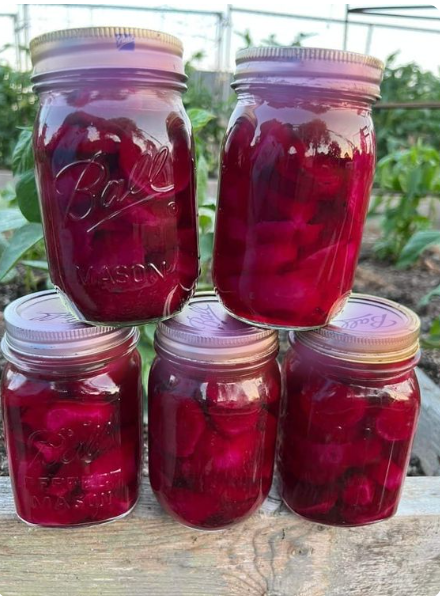
Properly water bath canned pickled beets remain shelf-stable for 12-18 months when stored in a cool, dark place. Once opened, treat them like refrigerator pickled beets and consume within 6 weeks.
Always check for signs of spoilage before eating—bulging lids, strange odors, or mold indicate the jar should be discarded.
Using Pre-Cooked or Canned Beets
If you’re really pressed for time, you can use pre-cooked vacuum-packed beets or even canned beets as a starting point. While fresh beets provide better texture and flavor, convenience products work in a pinch.
Drain canned beets thoroughly and rinse them before using. They’re already fully cooked, so you’re simply adding them to your prepared brine. The texture will be softer than using fresh beets, but the flavor develops nicely.
Creative Ways to Use Pickled Beets
In Salads
Pickled beets elevate any salad from basic to special. Their acidity acts almost like a dressing component, reducing the amount of vinaigrette needed. Pair them with goat cheese, walnuts, and arugula for a classic combination that never disappoints.
Dice pickled beets and fold them into potato salad or coleslaw for a pop of color and tangy sweetness that surprises and delights.
On Sandwiches and Burgers
Layer pickled beet slices on sandwiches and burgers just like you would pickles or tomatoes. They add moisture, acidity, and that beautiful color. They’re particularly good on grilled cheese, turkey sandwiches, and veggie burgers.
As Part of a Charcuterie Board
Include a small bowl of pickled beets on your next charcuterie board. They provide a bright, acidic element that cuts through rich cheeses and cured meats. Their vibrant color also makes the whole presentation more visually appealing.
With Eggs
Pickled beets and eggs are a classic pairing. Use the leftover brine to pickle hard-boiled eggs—they’ll turn the most gorgeous pink color and develop tangy flavor. This old-fashioned treat makes an excellent protein-rich snack.
In Grain Bowls
Top grain bowls with pickled beets for a burst of acidity and color. They work particularly well with quinoa, farro, or brown rice bowls that include roasted vegetables, chickpeas, and tahini dressing.
Troubleshooting Common Issues
Beets Are Too Soft
If your pickled beets turn mushy, you likely overcooked them before pickling. They should be fork-tender but still firm enough to hold their shape when sliced. Test them frequently toward the end of cooking time and remove them from heat as soon as a fork pierces them easily.
Not Enough Flavor
If your pickled beets taste bland, they probably need more time in the brine or the brine itself needs adjustment. Increase the salt slightly or add more spices. Remember that flavors develop and intensify over several days, so patience pays off.
Cloudy Brine
Some cloudiness in the brine is normal, especially if you didn’t let the brine cool before pouring it over the beets. However, excessive cloudiness combined with an off smell indicates spoilage—discard the entire jar.
Beets Float
If beets float to the top of the jar and aren’t fully submerged in brine, they can develop mold. Pack beets more tightly into jars and ensure you’re using enough brine to cover them completely. A small piece of crumpled parchment paper pressed on top can help keep everything submerged.
Tips for Perfect Pickled Beets Every Time
Choose beets that are similar in size so they cook evenly. Smaller beets tend to be sweeter and more tender than large ones, though any size works as long as you adjust cooking times accordingly.
Always use kosher salt or pickling salt rather than iodized table salt. The additives in table salt can cloud your brine and affect flavor.
Label your jars with the date you made them. This helps you track freshness and ensures you use older jars first.
Don’t skip the step of letting beets cool before handling them. Hot beets are difficult to peel and slice, and the extra time doesn’t significantly delay the process.
The Joy of Homemade Pickled Beets
Pickled beets recipes transform a humble root vegetable into something genuinely exciting. Whether you go the quick refrigerator route or invest time in water bath canning for long-term storage, the result is a versatile ingredient that enhances countless dishes.
The process itself is straightforward and forgiving—even if you’ve never pickled anything before, you’ll find success with beets. The visual reward of those jewel-toned jars lined up in your refrigerator or pantry provides satisfaction beyond just the eating.
Start with a small batch using the simple refrigerator method. Once you taste the difference between homemade and store-bought pickled beets, you’ll understand why so many people make this a regular kitchen practice. The combination of sweet, tangy, and earthy flavors, the gorgeous color, and the incredible versatility make pickled beets a staple worth mastering.
Your sandwiches, salads, and snack times will never be quite the same—and that’s definitely a good thing.
