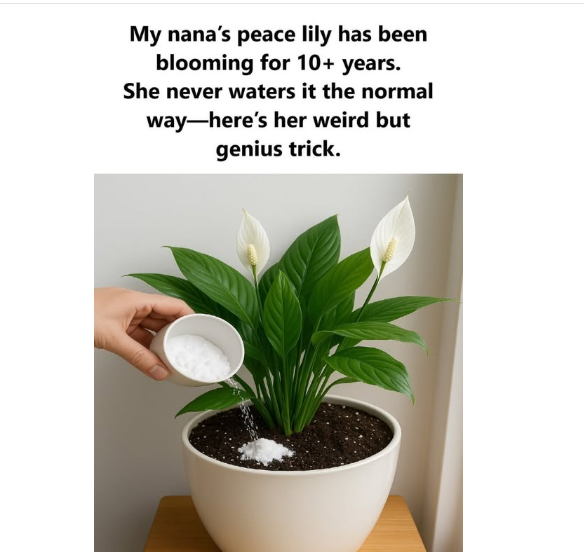
The Science Behind Moisture Absorption
Peace lilies possess specialized leaf structures that allow them to capture atmospheric moisture efficiently. Their broad, glossy leaves aren’t just for show—they’re perfectly designed to absorb water vapor from the air and transport it throughout the plant.
When you focus solely on root watering, you’re ignoring half of your plant’s moisture uptake system. This is particularly important because peace lilies are prone to root rot when their soil stays too wet, yet their leaves can handle and even benefit from constant moisture exposure.
Signs Your Peace Lily Needs Humidity, Not Water
Learning to read your plant’s signals makes all the difference. If your peace lily’s leaves are drooping but the soil is still moist, humidity is your answer, not more water. Brown leaf tips are another telltale sign of low humidity rather than underwatering.
Conversely, if the soil is bone dry and the leaves are wilting, that’s when traditional watering is appropriate. The key is developing this diagnostic skill so you’re giving your plant what it actually needs.
Practical Humidity Solutions for Busy Plant Parents
Not everyone can mist their plants multiple times daily or set up elaborate humidity systems. The good news is there are several low-maintenance approaches that deliver impressive results.
Grouping your peace lily with other houseplants creates a natural humidity boost as plants release moisture through transpiration. This mini indoor jungle effect benefits all the plants involved while requiring zero extra effort from you.
The Bathroom Trick
One of the easiest humidity hacks is relocating your peace lily to your bathroom, assuming it has adequate indirect light. The natural humidity from showers creates an ideal environment, and you’ll notice your plant looking more vibrant without changing anything about your routine.
For those who prefer keeping plants in living areas, a small humidifier positioned near your peace lily works wonders. Modern ultrasonic humidifiers are whisper-quiet and energy-efficient, making them practical for year-round use.
Adjusting Your Watering Philosophy
This doesn’t mean you should stop watering your peace lily entirely—that would be just as harmful as overwatering. Instead, think of water as a supplement to humidity rather than the primary source of moisture.
I’ve found success watering my peace lilies only when the top two inches of soil feel dry to the touch, which typically happens every 7-10 days depending on the season. Between waterings, I maintain humidity levels through misting or my pebble tray setup.
Seasonal Considerations
During summer months when indoor air tends to be more humid naturally, you might find your peace lily needs less intervention. Winter, however, when heating systems dry out the air considerably, is when humidity management becomes critical.
Pay attention to these seasonal shifts and adjust your care routine accordingly. Your peace lily will communicate its needs through its appearance if you learn to listen.
The Leaf Care Connection
Healthy, clean leaves are better equipped to absorb atmospheric moisture. Dust and debris create a barrier that reduces your peace lily’s ability to capture humidity effectively, which is why regular leaf cleaning should be part of your care routine.
Gently wipe leaves with a damp cloth every few weeks. This simple act not only improves moisture absorption but also enhances photosynthesis and keeps your plant looking its absolute best.
Avoiding Common Mistakes
The biggest mistake I see is plant parents who discover the humidity secret and go overboard. While peace lilies love moisture in the air, constantly wet leaves can invite fungal problems. The goal is consistent humidity, not soaking wet foliage.
Similarly, don’t abandon soil watering completely. The roots still need moisture—just less frequently than you might think when you’re properly managing humidity levels.
Combining Humidity with Proper Light and Nutrition
Humidity management works best as part of a holistic care approach. Peace lilies thrive in bright, indirect light—the kind you’d find on a forest floor with sunlight filtering through the canopy above.
Fertilizing lightly during the growing season supports your plant’s overall health, making it more resilient and better able to utilize the moisture you’re providing. A balanced, diluted liquid fertilizer applied monthly from spring through early fall is typically sufficient.
Measuring Success: What to Expect
Once you shift to humidity-focused care, you should notice improvements within a few weeks. Leaves will develop a richer, deeper green color and maintain their perky stance longer between waterings. Brown tips will gradually disappear as new growth emerges.
The true test comes when your peace lily produces those stunning white blooms. Proper humidity levels, combined with adequate light and nutrition, encourage more frequent and abundant flowering than watering alone ever could.
