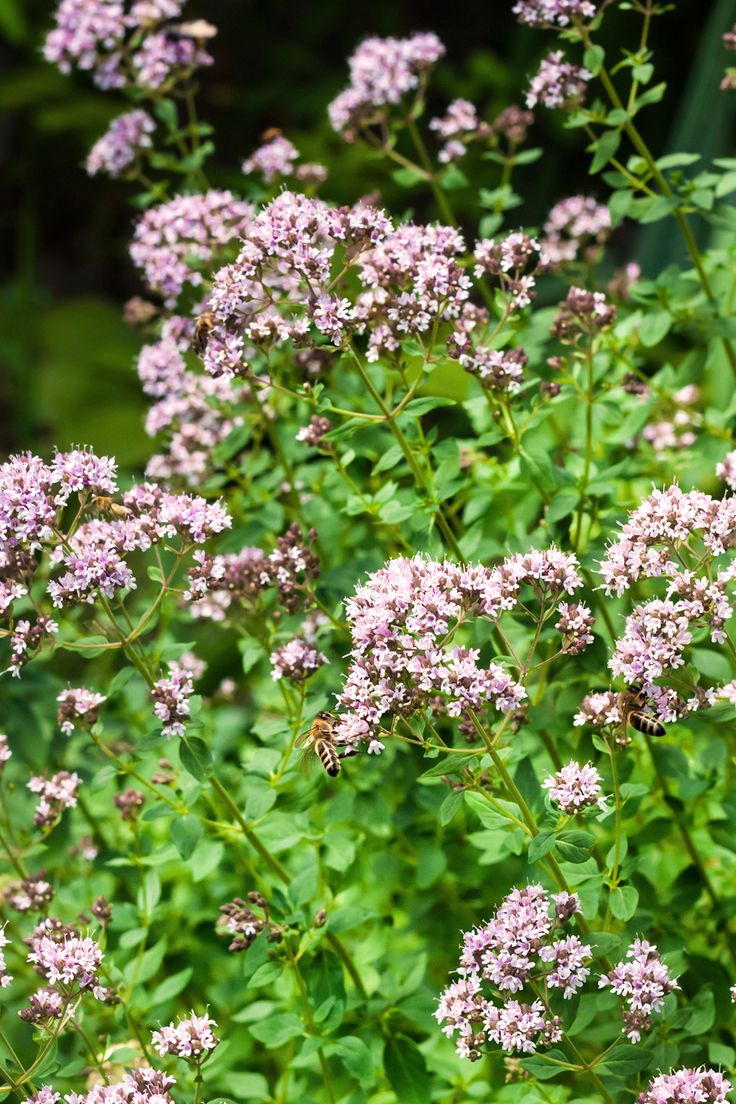
Origanum vulgare, commonly known as oregano, has earned its reputation as one of nature’s most versatile medicinal herbs. For centuries, traditional healers across the Mediterranean have turned to this aromatic plant for its impressive array of therapeutic benefits. Today, modern research continues to validate what ancient wisdom has long understood about this remarkable herb’s potential to support immune health and combat various microbial challenges.
Table of Contents
What Makes Origanum Vulgare So Special?
Origanum vulgare isn’t just another kitchen herb sitting in your spice rack. This perennial plant belongs to the mint family and thrives in warm, sunny climates throughout Europe and Asia. What sets it apart from other herbs is its extraordinarily high concentration of bioactive compounds, particularly carvacrol and thymol, which give the plant its distinctive antimicrobial properties.
The essential oil extracted from oregano leaves contains upward of 70 percent carvacrol in high-quality varieties. This phenolic compound has been the subject of numerous scientific studies examining its effects on harmful microorganisms, including bacteria, fungi, and certain parasites.
Understanding the Antimicrobial Power of Oregano
Natural Defense Against Bacteria
Research has demonstrated that oregano oil exhibits significant antibacterial activity against a wide range of bacterial strains. The carvacrol content works by disrupting bacterial cell membranes, making it difficult for these organisms to maintain their structure and function. This mechanism has shown promise in laboratory settings against various common bacterial species.
Many people explore oregano as a complementary approach when dealing with urinary tract concerns. While it shouldn’t replace proper medical treatment, some herbalists suggest that oregano’s antimicrobial properties may offer supportive benefits for maintaining urinary tract wellness.
Antifungal and Antiparasitic Qualities
Beyond bacteria, oregano demonstrates impressive antifungal capabilities. Studies have examined its effectiveness against Candida species and other fungal organisms that can cause discomfort in various parts of the body. The herb’s essential oils appear to interfere with fungal cell development, potentially limiting their growth and spread.
Traditional medicine has long used oregano for addressing intestinal parasites. While comprehensive human clinical trials remain limited, laboratory research suggests that oregano compounds may create an inhospitable environment for certain parasitic organisms, though anyone dealing with parasitic infections should absolutely consult healthcare professionals for proper diagnosis and treatment.
Origanum Vulgare and Viral Challenges
Supporting the Body During Viral Infections
When it comes to viral infections like influenza and herpes, oregano takes a different approach than it does with bacteria. Rather than directly destroying viruses, oregano appears to support the immune system’s natural response to viral challenges. The antioxidants present in oregano, including rosmarinic acid and flavonoids, help combat oxidative stress that accompanies viral infections.
Flu Season Support
During cold and flu season, many natural health enthusiasts turn to oregano for its potential immune-supporting properties. The herb contains vitamin C, vitamin A, and other nutrients that contribute to overall immune function. While oregano won’t cure the flu, incorporating it into your wellness routine might help your body mount a more robust defense.
Herpes Virus Considerations
Some preliminary research has explored oregano oil’s effects on herpes simplex viruses in laboratory settings. The antiviral properties observed in test tubes show promise, but it’s crucial to understand that these results don’t automatically translate to effective treatment in humans. Anyone dealing with herpes infections should work with healthcare providers to develop appropriate management strategies.
How to Use Origanum Vulgare Safely and Effectively
Different Forms and Applications
Oregano can be consumed in several forms, each with its own benefits and considerations. Fresh or dried oregano leaves make wonderful additions to meals and provide gentle health benefits through regular culinary use. For more concentrated effects, oregano essential oil and supplements are available, though these require careful dosing.
Oregano Essential Oil
Essential oil represents the most potent form of oregano. Because of its strength, it should always be diluted before use. Typical recommendations suggest mixing one drop of oregano oil with a tablespoon of carrier oil like olive or coconut oil. Never apply undiluted oregano oil directly to skin or mucous membranes, as it can cause severe irritation.
Capsules and Tinctures
For those who find the taste of oregano oil overwhelming, encapsulated forms provide a convenient alternative. Tinctures offer another option, allowing for flexible dosing. Always follow manufacturer guidelines or work with a qualified herbalist to determine appropriate amounts for your individual needs.
Recommended Dosages and Precautions
When using oregano supplements, starting with lower doses and gradually increasing allows you to assess your body’s response. A typical starting point for oregano oil capsules might be 150-200 mg once or twice daily with meals. However, individual needs vary considerably based on factors like body weight, health status, and the specific concern being addressed.
Important Safety Considerations
Who Should Exercise Caution?
While oregano is generally safe for most people when used appropriately, certain groups should take extra precautions. Pregnant and breastfeeding women should avoid therapeutic doses of oregano oil, as it may stimulate menstruation and potentially affect pregnancy. The culinary use of oregano in cooking, however, poses no concerns.
People with allergies to plants in the Lamiaceae family, which includes basil, mint, sage, and lavender, may also react to oregano. Additionally, oregano can lower blood sugar levels, so individuals with diabetes or those taking blood sugar medications should monitor their levels carefully when using oregano supplements.
Potential Drug Interactions
Oregano may interact with certain medications, including blood thinners, diabetes medications, and some diuretics. If you take any prescription medications regularly, discussing oregano supplementation with your doctor or pharmacist helps prevent unwanted interactions and ensures safe use.
Combining Oregano with Other Natural Remedies
Many herbalists recommend using oregano as part of a broader approach to wellness rather than relying on it as a standalone remedy. Combining oregano with other antimicrobial herbs like garlic, thyme, and echinacea may provide synergistic benefits, though research on these combinations remains limited.
Supporting your body’s natural defenses through adequate sleep, stress management, proper nutrition, and regular physical activity creates the foundation upon which herbs like oregano can work most effectively. Think of oregano as one tool in a comprehensive wellness toolkit rather than a magic bullet.
What the Science Really Says
Promising Research and Its Limitations
Scientific interest in oregano has grown substantially over the past two decades. Laboratory studies consistently demonstrate oregano’s antimicrobial properties against various organisms in test tubes and petri dishes. Animal studies have added to our understanding of how oregano compounds behave in living systems.
The challenge lies in translating these laboratory findings to real-world human applications. Many studies use concentrations of oregano compounds that would be difficult to achieve through oral supplementation. Additionally, the bioavailability of oregano compounds, meaning how well the body absorbs and utilizes them, can vary significantly between individuals.
The Need for More Human Clinical Trials
While the existing research on oregano appears promising, large-scale, well-designed human clinical trials remain relatively scarce. Most of our understanding comes from in vitro studies, animal research, and traditional use rather than rigorous human trials. This doesn’t mean oregano lacks value, but it does mean we should maintain realistic expectations about what it can accomplish.
Practical Tips for Incorporating Oregano into Your Wellness Routine
Culinary Uses for Daily Benefits
The simplest way to enjoy oregano’s benefits is through regular culinary use. Fresh oregano brightens summer salads, while dried oregano enhances sauces, soups, and roasted vegetables. Mediterranean dishes traditionally feature generous amounts of oregano, offering both flavor and potential health benefits.
Making oregano tea provides another gentle approach. Steeping one to two teaspoons of dried oregano in hot water for about ten minutes creates a fragrant, slightly bitter beverage that many people find soothing during cold season.
Topical Applications
Diluted oregano oil can be applied topically for skin concerns, though always perform a patch test first to check for sensitivity. Mix a few drops of oregano essential oil with a carrier oil and apply to small areas of skin. Some people use this approach for fungal skin issues or to support healing of minor wounds.
Important Medical Disclaimer: The information provided in this article is for educational purposes only and is not intended to diagnose, treat, cure, or prevent any disease. Origanum vulgare should not replace prescribed medications or professional medical treatment. Anyone dealing with urinary tract infections, bladder infections, parasites, herpes, flu, or any other health condition should consult qualified healthcare providers for proper diagnosis and treatment. Pregnant women, nursing mothers, children, and individuals with underlying health conditions should speak with their doctors before using oregano supplements. This article does not constitute medical advice, and readers should always seek guidance from licensed healthcare professionals before making changes to their health regimen.
Final Thoughts on This Powerful Herb
Origanum vulgare stands out among medicinal herbs for its impressive antimicrobial properties and centuries of traditional use. While scientific research continues to explore its full potential, oregano has already demonstrated remarkable abilities in laboratory settings against various bacteria, fungi, and other microorganisms.
Whether you choose to incorporate more oregano into your cooking, explore therapeutic doses under professional guidance, or simply appreciate this herb’s rich history, oregano offers a fascinating example of how nature provides us with powerful tools for supporting health and wellness.
Remember that herbs work best as part of a holistic approach to health. No single herb, no matter how powerful, can replace healthy lifestyle choices, proper medical care when needed, and the wisdom to know when home remedies are sufficient and when professional intervention becomes necessary. Oregano can be a valuable ally in your wellness journey, but it works best when you view it as a complement to, rather than a replacement for, sound medical advice and comprehensive self-care.
