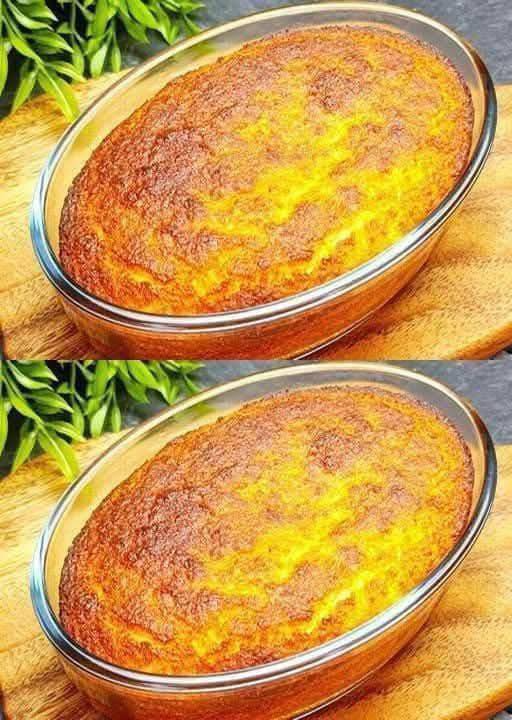
Shaping and Setting Your Coconut Cake
Now comes the fun part. Line a small loaf pan or square baking dish with parchment paper for easy removal. A 6×6 inch pan works perfectly, but you can adjust based on what you have available. The parchment paper prevents sticking and makes cleanup effortless.
Transfer your coconut mixture into the prepared pan, pressing it down firmly and evenly with the back of a spoon or your hands. The key is creating compact, uniform layers without air pockets. Press harder than you think necessary—this compression is what gives the cake its sliceable structure.
The Quick-Set Method
Place the pan in your refrigerator for at least three hours, though overnight is even better if you can wait. The cold temperature allows the coconut to firm up while the fats in the coconut milk solidify, binding everything together. If you’re truly pressed for time, the freezer works in about 60-90 minutes, though refrigeration provides a better final texture.
When set, the cake should be firm enough to slice cleanly without crumbling. If it seems too soft, give it more time in the fridge. Patience here makes the difference between a perfectly sliceable cake and a delicious but messy coconut mixture.
Creative Variations to Try
Once you’ve mastered the basic recipe, the variation possibilities are endless. Each adaptation brings new flavors while maintaining the healthy, no-flour, no-sugar foundation.
For a chocolate coconut version, add three tablespoons of unsweetened cocoa powder to your liquid mixture before combining with the coconut. The result tastes remarkably like a healthier version of a chocolate coconut candy bar.
Adding Texture and Nutrition
Mixing in chopped nuts transforms this from simple to sophisticated. Almonds, walnuts, or pecans add crunch, healthy fats, and protein. Toast them lightly first to intensify their flavor—about five minutes in a dry pan makes a noticeable difference.
Dried fruit creates pockets of concentrated sweetness throughout the cake. Chopped dates work particularly well because they’re naturally sticky and sweet. Unsweetened dried cranberries or cherries provide tartness that balances the coconut beautifully.
A tablespoon of chia seeds or ground flaxseed boosts the fiber and omega-3 content without affecting taste. These tiny additions make the cake even more filling and nutritionally dense.
Serving Suggestions That Elevate the Experience
This coconut cake shines on its own, but a few simple additions can transform it into an impressive dessert worthy of guests. A drizzle of melted dark chocolate creates visual appeal and adds antioxidant-rich cacao. Use chocolate with at least 70% cacao content to keep sugar levels low.
Fresh berries provide color, moisture, and a dose of vitamins. Strawberries, raspberries, or blueberries all pair wonderfully with coconut. The tartness of berries cuts through the richness of the cake, creating perfect balance in every bite.
Building a Complete Dessert Experience
A dollop of coconut whipped cream makes this feel genuinely indulgent. Refrigerate a can of full-fat coconut milk overnight, scoop out the solidified cream, and whip it with a touch of vanilla and sweetener. This dairy-free topping is lighter than traditional whipped cream but equally satisfying.
For a tropical twist, serve with fresh mango slices or pineapple chunks. The bright acidity of these fruits complements the mellow coconut flavor while adding natural sweetness and vibrant color to your plate.
Storage and Meal Prep Tips
One of the best features of this coconut cake is how well it keeps. Stored in an airtight container in the refrigerator, it stays fresh for up to one week. This makes it perfect for meal prep—make it on Sunday and enjoy healthy dessert portions throughout the week.
The cake also freezes beautifully for up to three months. Cut it into individual portions before freezing so you can remove exactly what you need. Wrap each piece in parchment paper, then place all portions in a freezer-safe container or bag.
Grab-and-Go Convenience
For portable snacks, cut the cake into small squares and store them in a container in your fridge. These become perfect afternoon pick-me-ups or post-workout treats that provide energy without the sugar crash. Pack them in lunchboxes or take them to work for a healthy desk snack.
Some people even enjoy this cake as a breakfast option. While unconventional, it provides healthy fats, fiber, and moderate protein—nutritionally superior to many traditional breakfast items like pastries or sugary cereals.
The Science Behind Why This Works
Understanding why this simple recipe succeeds helps you troubleshoot and experiment confidently. Coconut contains natural oils that solidify when cold, similar to how butter firms up in the refrigerator. These oils act as a binding agent, holding the shredded coconut pieces together without any flour or eggs.
The liquid from coconut milk gets absorbed by the dried coconut shreds through osmosis. As the shreds hydrate, they soften slightly and swell, filling the spaces between pieces and creating a cohesive mass. The compression you apply when pressing the mixture into your pan eliminates air pockets and forces the pieces into close contact, enhancing this binding effect.
Why Temperature Matters
Cold temperature is crucial because it solidifies the fats distributed throughout the mixture. At room temperature, these fats remain liquid, keeping the mixture loose and crumbly. Refrigeration transforms the texture completely, creating a firm, sliceable cake that still melts pleasantly in your mouth.
This is also why using full-fat coconut milk matters—low-fat versions lack the fat content necessary for proper binding. The cream that rises to the top of a can of full-fat coconut milk contains concentrated fats that make this recipe work.
Nutritional Profile and Dietary Considerations
This coconut cake fits beautifully into multiple dietary patterns. It’s naturally gluten-free, dairy-free, and can easily be made vegan by choosing maple syrup or plant-based sweeteners instead of honey. For those following paleo or Whole30 protocols, this recipe complies perfectly when made with compliant sweeteners.
Each serving provides healthy fats that support hormone production, brain function, and vitamin absorption. The fiber content aids digestion and helps you feel satisfied, preventing the overeating that often accompanies traditional desserts.
Macro Breakdown
A typical serving contains approximately 180-200 calories, depending on your sweetener choice and portion size. The majority of these calories come from healthy fats, with minimal carbohydrates and a small amount of protein. This macronutrient profile makes it particularly suitable for low-carb or ketogenic diets.
Unlike sugar-laden desserts that trigger inflammation and insulin spikes, this cake provides steady energy. Many people report feeling satisfied with smaller portions and experiencing none of the guilt or physical discomfort associated with conventional sweets.
Common Mistakes and How to Avoid Them
The most frequent error is not pressing the mixture firmly enough into the pan. If your cake crumbles when you try to slice it, insufficient compression is usually the culprit. Really pack it down—you can’t overdo this step.
Using sweetened coconut instead of unsweetened is another pitfall. Sweetened coconut contains added sugar, defeating the entire purpose of this recipe. Always check labels carefully and choose unsweetened varieties.
Texture Troubleshooting
If your cake turns out too dry and crumbly, you likely didn’t use enough liquid or the coconut wasn’t given adequate time to absorb it. Add a tablespoon or two more coconut milk next time, and ensure you’re allowing the resting period before pressing into the pan.
Conversely, if the mixture seems too wet and won’t firm up even after refrigeration, you may have used too much liquid or a coconut milk brand with lower fat content. Next time, reduce the liquid slightly or use a different brand with higher fat concentration—the ingredient list should show coconut extract as the first ingredient, with minimal additives.
Why This Dessert Supports Your Health Goals
Making the switch from conventional desserts to recipes like this creates a profound shift in how your body responds to sweet treats. Without refined sugar, you avoid the addictive cycle that keeps you reaching for more. Without flour, you eliminate the blood sugar spike and crash that leaves you tired and hungry an hour later.
This coconut cake proves that healthy eating doesn’t require deprivation or complex recipes. Sometimes the simplest approaches yield the most satisfying results. In just five minutes of preparation and a few hours of hands-off chilling time, you create a dessert that tastes indulgent while actually nourishing your body.
The confidence that comes from mastering a recipe this simple yet impressive extends beyond the kitchen. It demonstrates that taking care of yourself doesn’t have to be complicated or time-consuming. Small changes, like replacing traditional desserts with versions made from whole food ingredients, accumulate into significant improvements in how you feel and function every day.
Give this no flour, no sugar coconut cake a try. Your taste buds will thank you, your body will thank you, and you might just find yourself wondering why you ever thought healthy desserts had to be complicated or taste like cardboard. Sometimes the best solutions are the simplest ones.
