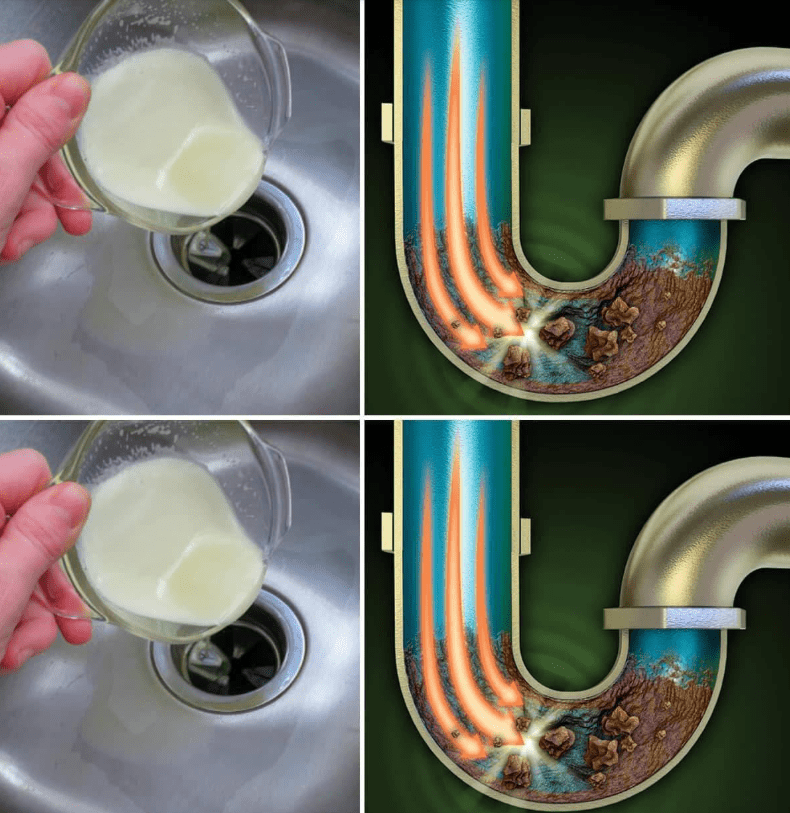
The Salt Solution for Grease Clogs
Kitchen sinks with heavy grease buildup respond particularly well to salt treatment. Salt acts as an abrasive scrubbing agent while also absorbing moisture from greasy deposits, making them easier to flush away.
Pour half a cup of table salt directly into the drain, followed by a full kettle of boiling water. The salt crystals won’t dissolve immediately in the hot water—instead, they’ll travel down the pipe, scrubbing and abrading the greasy coating as they go. The boiling water melts the grease while the salt provides mechanical cleaning action.
Enhanced Grease-Fighting Method
For maximum effectiveness against grease, combine salt with baking soda. Mix half a cup of each and pour the blend down your drain. Let it sit for 20 minutes, then flush with boiling water. This combination provides both chemical cleaning from the baking soda and physical abrasion from the salt crystals.
This method works preventatively too. Using it monthly keeps grease from accumulating to problematic levels, especially useful if you regularly cook with oils or wash greasy dishes in your sink.
Lemon Juice: The Odor Eliminator
While vinegar excels at breaking down clogs, lemon juice specializes in eliminating odors while providing similar acidic cleaning power. The citric acid in lemon juice cuts through grime while leaving a fresh scent that masks and neutralizes foul smells.
Cut two or three lemons into quarters and run them through your garbage disposal with cold water. The mechanical action grinds up the lemon pieces while their oils coat disposal blades and drain pipes, preventing bacterial growth and leaving a clean citrus fragrance.
The Deep-Clean Lemon Treatment
For drains without disposals, squeeze the juice from three lemons and mix it with half a cup of baking soda to form a paste. Spread this mixture around the drain opening and let it work for 15 minutes. The combination scrubs away biofilm and neutralizes odor-causing bacteria. Rinse thoroughly with hot water.
Lemon peels placed in your drain overnight work wonders for persistent smells. Their essential oils slowly release, coating pipes with antibacterial compounds that prevent odor-causing bacterial growth. In the morning, flush with hot water and the smell will be noticeably improved.
The Enzyme Power of Dish Soap
Dish soap designed to cut grease in your sink works equally well inside your pipes. This simple ingredient breaks down fatty acids and emulsifies grease, allowing water to wash it away rather than letting it stick to pipe walls.
Squirt a generous amount of dish soap—about a quarter cup—directly into a slow-draining sink. Follow immediately with a kettle of boiling water. The hot water activates the soap’s grease-cutting properties while the soap reduces surface tension, helping everything slide through pipes more easily.
The Overnight Soap Soak
For severely clogged drains, try the overnight method. Pour half a cup of dish soap down the drain before bed, without adding water. Let it sit all night, allowing the soap to penetrate and break down the grease buildup. In the morning, flush with the hottest water possible from your tap for several minutes.
This extended contact time gives the soap maximum opportunity to dissolve grease molecules. Many people report complete clog resolution after this treatment, even when other methods failed.
Preventing Future Clogs: Maintenance Strategies
The best way to deal with clogs is preventing them in the first place. Weekly maintenance takes just minutes but saves hours of dealing with backups and bad smells.
Every week, pour boiling water down each drain in your home. This simple habit prevents grease and soap from accumulating to problematic levels. The regular heat treatment keeps pipes clear and flowing freely.
Creating a Drain-Cleaning Routine
Install drain screens or hair catchers in bathroom sinks, showers, and tubs. These inexpensive devices trap hair and debris before they enter pipes, dramatically reducing clog formation. Empty them weekly—it takes seconds and prevents major headaches.
Never pour grease or oil down kitchen drains, regardless how hot your water is. Let grease cool in a container, then dispose of it in the trash. Even small amounts of grease contribute to buildup over time, especially in older pipes with existing coating.
Run cold water for 30 seconds after using your garbage disposal. This flushes food particles completely through the plumbing system rather than letting them settle in pipes. Cold water solidifies any grease on disposal blades, allowing them to chop it into small particles that wash away easily.
When Natural Methods Aren’t Enough
While natural ingredients solve most drain problems, some situations require different approaches. If you’ve tried these methods multiple times without success, the clog may be too far down the line for kitchen remedies to reach, or it might be caused by something other than organic buildup.
A plunger often succeeds where chemicals fail. For sinks, plug the overflow opening with a wet cloth, then plunge vigorously. The pressure and suction can dislodge clogs that cleaning agents can’t dissolve.
The Plumber’s Snake Alternative
A drain snake or zip-it tool costs just a few dollars at hardware stores and removes hair clogs that chemicals struggle with. Thread it down the drain, twist to catch hair, and pull out. This mechanical removal works immediately for hair-based blockages.
For persistent issues or multiple slow drains throughout your house, the problem might be in your main sewer line rather than individual drains. Tree roots, pipe collapses, or main line blockages require professional equipment. If water backs up in multiple fixtures simultaneously, or you notice sewage smells throughout your home, call a plumber.
The Science Behind Why This Works
Understanding the chemistry makes you more effective at applying these solutions. Baking soda is alkaline with a pH around 9, while vinegar is acidic at pH 2.5. When combined, they neutralize each other while producing carbon dioxide gas and sodium acetate.
The carbon dioxide production is key—those bubbles physically push against clogs while the liquid solution chemically breaks down organic matter. The resulting sodium acetate is a mild cleaning agent that continues working after the fizzing stops.
Temperature and Chemical Reactions
Hot water accelerates chemical reactions, which is why boiling water features prominently in these methods. Heat also changes the physical state of grease from solid to liquid, making it easier to flush through pipes. The combination of chemical and physical cleaning creates a one-two punch that resolves most common drain issues.
Natural ingredients work more slowly than harsh commercial drain cleaners, but this gentleness protects your pipes. Chemical drain cleaners generate heat that can damage PVC pipes and corrode metal fixtures over time. Natural methods clean effectively without the risk of pipe damage or toxic fume exposure.
Environmental and Health Benefits
Chemical drain cleaners contain sodium hydroxide or sulfuric acid—caustic substances that burn skin, damage eyes, and create toxic fumes. These chemicals persist in water systems, harming aquatic life and potentially contaminating drinking water.
Natural ingredients break down completely into harmless substances. Baking soda becomes salt and carbon dioxide. Vinegar neutralizes to water and sodium acetate. These end products cause zero environmental harm, making natural drain cleaning an eco-friendly choice.
Safety Considerations
Natural doesn’t mean completely risk-free. Boiling water can cause severe burns if mishandled—pour carefully and never lean over the drain. The vinegar and baking soda reaction, while impressive, is chemically mild and safe around children and pets.
Never mix different types of commercial drain cleaners with each other or with natural ingredients. Chemical combinations can produce dangerous reactions. If you’ve recently used a commercial product, wait at least 48 hours before trying natural methods.
Cost Comparison: Natural vs. Chemical vs. Professional
A box of baking soda costs about two dollars and handles dozens of drain treatments. A gallon of white vinegar runs around three dollars. Compare this to commercial drain cleaners at eight to fifteen dollars per bottle, or plumber service calls starting at 150 dollars.
The financial savings add up quickly, especially for households that experience frequent minor clogs. An annual supply of natural cleaning ingredients costs less than a single plumber visit.
Long-Term Pipe Health
Natural methods extend the life of your plumbing. Gentle cleaning prevents the pipe deterioration that harsh chemicals cause, potentially saving thousands in eventual pipe replacement costs. Older homes with original plumbing particularly benefit from chemical-free drain maintenance.
Regular use of natural cleaning methods keeps pipes in better condition than sporadic use of harsh commercial products. The preventative approach costs less and works better than the crisis-response pattern many homeowners follow.
Taking Control of Your Plumbing
Learning how to unclog a blocked drain and eliminate bad odors with natural ingredients empowers you to handle common household problems independently. These methods work quickly, cost almost nothing, and don’t expose your family to harsh chemicals or your pipes to corrosive damage.
The next time your drain slows or smells, you’ll know exactly what to do. Reach for the baking soda and vinegar instead of the phone. Pour boiling water instead of toxic chemicals. Within minutes, using ingredients you already own, you’ll have clear, fresh-smelling drains without spending a fortune or waiting for professional help.
Start with prevention, respond quickly to the first signs of slowdown, and you’ll rarely face serious clogs. Your pipes, your wallet, and the environment all benefit from making the switch to natural drain maintenance. The solution to blocked drains has been in your kitchen all along.
