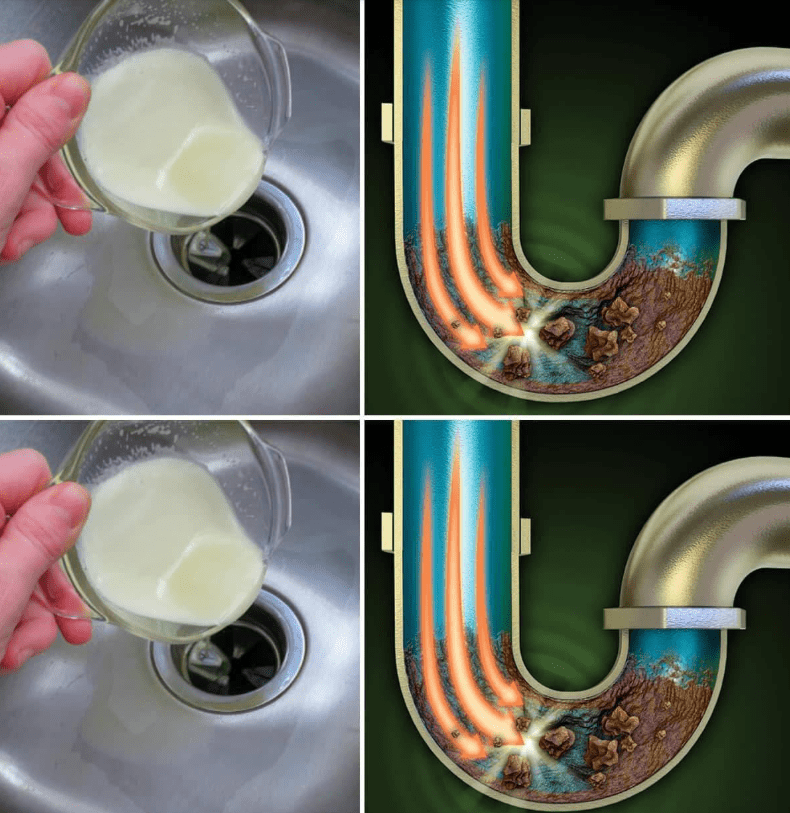
The Smell Factor
Those foul odors emanating from your drain have specific causes. Bacteria feeding on organic matter stuck in pipes produce hydrogen sulfide gas, which smells like rotten eggs. Dry P-traps—the curved section of pipe designed to hold water and block sewer gases—allow odors to rise directly into your home. Biofilm buildup, a slimy layer of bacteria coating your pipes, also generates unpleasant smells as it decomposes.
The Power Trio: Baking Soda, Vinegar, and Boiling Water
This classic combination works because of basic chemistry that creates a powerful cleaning reaction. When baking soda (sodium bicarbonate) meets vinegar (acetic acid), they react to produce carbon dioxide gas. This fizzing action physically dislodges debris while the solution breaks down organic matter and grease.
Start by removing any visible debris from the drain opening. Pull out hair clumps, food scraps, or other materials you can reach with your fingers or tweezers. This step alone sometimes resolves minor slowdowns.
The Exact Method That Works
Boil a full kettle of water—you’ll need it in stages. Pour about half down the drain first to soften any grease or soap buildup. This hot water flush prepares the pipes for the cleaning agents by loosening surface-level gunk.
Measure one cup of baking soda and pour it directly into the drain. Use a spoon or spatula to push as much as possible into the opening rather than letting it sit on the surface. The goal is getting the baking soda deep into the pipe where the clog exists.
Wait two to three minutes, then pour one cup of white vinegar down the drain. You’ll immediately hear and see the fizzing reaction begin. This is the magic happening—the expanding foam works its way through the clog, breaking it apart from within. Cover the drain with a plug or wet cloth to force the reaction downward rather than allowing it to bubble up and out.
The Waiting Game: Timing Matters
Let the baking soda and vinegar mixture work for at least 30 minutes. For severe clogs, leaving it overnight produces better results. During this time, the chemical reaction continues breaking down organic materials, dissolving grease, and loosening hair clumps from pipe walls.
The carbon dioxide bubbles created during the reaction act like tiny scrubbing agents, physically pushing against blockages and scouring the interior pipe surface. Meanwhile, the acidic vinegar breaks down mineral deposits and soap scum that contribute to slow drains.
The Final Flush
After waiting, boil another full kettle of water. Pour it down the drain in a steady stream—the force of hot water under gravity helps push the loosened debris through the pipes and into the main sewer line. The heat also melts any remaining grease that’s been broken up by the chemical reaction.
If water drains freely, you’ve succeeded. If it still backs up, repeat the entire process once more. Stubborn clogs may require two or three treatments, especially if they’ve been building for months….
