What Happens During Those Five Minutes
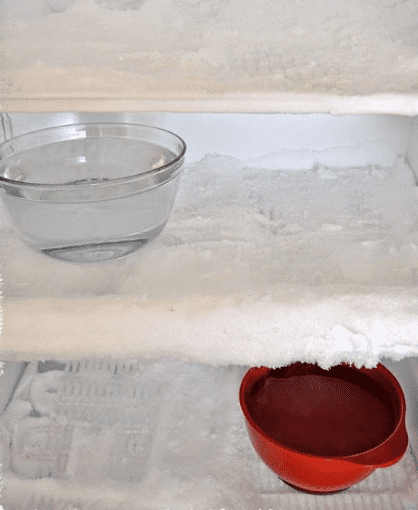
Inside the closed freezer, the steam from the boiling water rapidly raises the temperature and humidity. This combination is ice’s worst enemy. The warm, moist air surrounds the ice formations, causing them to soften and separate from the freezer walls.
Unlike chipping at ice or using a hairdryer on one spot at a time, this method works on all the ice simultaneously. The enclosed space traps the heat and steam, maximizing efficiency. You’re essentially creating a controlled environment optimized for rapid ice melting.
After about five minutes, open the freezer door. You’ll be amazed at what you see. Large sheets of ice will have loosened and may even fall away completely. Any remaining ice will be so softened that it practically slides off with the gentlest touch.
Finishing the Job
Use your towels to wipe away the loosened ice and water. Most of the ice should come away in satisfying chunks or sheets rather than requiring scraping. Any stubborn spots can be gently pushed with a plastic spatula—never use metal tools that could puncture or scratch the freezer interior.
Dry the interior thoroughly with clean towels. Any remaining moisture will immediately turn to frost once you turn the freezer back on, so taking an extra minute here saves future problems.
Replace the shelves, drawers, and food items. Plug the freezer back in or turn it on, and you’re done. The entire process from start to finish rarely takes more than fifteen to twenty minutes, with only five minutes of actual defrosting time.
Why This Method Is Superior to Other Defrosting Techniques
Safety Advantages
Unlike using sharp tools to chip away ice, this method eliminates the risk of puncturing your freezer’s refrigerant lines or damaging the interior surfaces. One wrong move with an ice pick or screwdriver can create an expensive repair situation or even render your freezer unusable.
The boiling water approach is also safer than electrical methods like hairdryers, which pose electrocution risks when used around water and melting ice. There are no electrical components near water with this technique.
Time Efficiency
The time savings compared to traditional defrosting cannot be overstated. Natural defrosting with the door open takes four to six hours minimum. Manually chipping ice takes one to two hours of exhausting work. This method accomplishes in five minutes what would otherwise consume your entire afternoon.
For busy families, working professionals, or anyone who values their time, this efficiency makes the difference between procrastinating on necessary freezer maintenance and actually getting it done regularly.
Effectiveness Across Different Ice Buildup Levels
Whether you’re dealing with a light frost coating or several inches of ice buildup, this method scales beautifully. For severe ice accumulation, you might need to repeat the process once, using fresh boiling water for a second five-minute session. Even then, you’re looking at ten minutes of defrosting time—still remarkably fast.
The steam penetrates into cracks and gaps in the ice that other methods struggle to reach, ensuring thorough defrosting rather than surface-level melting that leaves hidden ice pockets.
Common Mistakes to Avoid
Using Too-Small Containers
Small bowls or cups don’t hold enough water to generate sufficient steam for the entire freezer space. Use the largest pots or bowls that fit comfortably in your freezer. The goal is maximum steam production, which requires adequate water volume.
Not Closing the Door Completely
The method relies on containing the steam inside the freezer. Leaving the door open or not closing it fully allows heat and steam to escape, dramatically reducing effectiveness. Make sure that door seals completely for the full five minutes.
Skipping the Protective Tray
Placing boiling water containers directly on freezer surfaces can potentially cause warping or damage, especially in older appliances. The baking sheet or tray provides a protective barrier while still allowing heat transfer.
Rushing the Drying Process
Leaving moisture inside the freezer before turning it back on creates immediate frost buildup that defeats the purpose of defrosting. Take the extra minute to thoroughly dry all surfaces, including corners and seals.
How Often Should You Defrost Your Freezer
The frequency of defrosting depends on several factors, including your freezer type, how often you open it, and the humidity in your home. As a general rule, defrost when ice buildup reaches about a quarter-inch thickness.
Manual defrost freezers typically need attention every three to six months. Self-defrosting freezers handle most ice accumulation automatically but may still develop ice in certain areas, particularly around door seals or in corners.
Regular defrosting improves energy efficiency. Ice buildup forces your freezer to work harder to maintain cold temperatures, increasing electricity consumption. A clean, ice-free freezer runs more efficiently and keeps food at more consistent temperatures.
Now that you know this quick method, there’s no excuse to let ice accumulate excessively. A five-minute task every few months prevents the need for major defrosting sessions that take significantly longer.
Preventive Measures to Reduce Ice Buildup
Proper Food Storage
Storing food properly minimizes moisture introduction into the freezer environment. Always cool foods completely before freezing them. Wrap items tightly in appropriate freezer packaging to prevent moisture escape.
Avoid placing uncovered liquids or steaming foods in the freezer. The released moisture contributes directly to frost and ice formation on freezer walls.
Door Seal Maintenance
Check your freezer door seals regularly for damage or debris. Damaged seals allow warm, humid air to enter the freezer, accelerating ice buildup. Clean seals with mild soap and water, and replace them if they show signs of cracking or don’t seal properly.
Test your seal by closing the door on a dollar bill. If you can pull it out easily, the seal isn’t tight enough and should be replaced.
Minimizing Door Openings
Every time you open the freezer door, warm air rushes in, and when that air cools, its moisture turns to frost. Organize your freezer so you can find items quickly, reducing the time the door stays open.
Teach family members to decide what they want before opening the door rather than standing with it open while deciding. This simple habit change significantly reduces ice accumulation over time.
When This Method Might Not Be Enough
Extremely Heavy Ice Buildup
If you’ve neglected your freezer for years and have several inches of solid ice, you might need to repeat this process two or three times with fresh boiling water each time. Alternatively, use this method to loosen the ice, then allow the freezer to sit with the door open for an additional thirty minutes for complete melting.
Damaged Freezers
If your freezer has mechanical issues causing excessive ice formation, this defrosting method treats the symptom but not the underlying problem. Rapid refreeze after defrosting indicates a potential malfunction requiring professional repair.
Commercial or Industrial Freezers
This technique works best for residential freezers. Large commercial units or walk-in freezers require different approaches due to their size and construction. Always consult manufacturer guidelines for commercial equipment.
The Environmental and Economic Benefits
Regular freezer defrosting using this quick method offers benefits beyond convenience. Ice-free freezers consume up to 35% less energy than those with significant ice buildup. Over a year, this translates to noticeable savings on your electricity bill.
Efficient freezer operation also extends the appliance’s lifespan. When your freezer doesn’t have to work overtime fighting against ice insulation, the compressor experiences less strain and fewer temperature fluctuations, reducing wear and tear.
From an environmental perspective, lower energy consumption means reduced carbon footprint. A small action like regular defrosting contributes to broader energy conservation efforts when multiplied across millions of households.
Why Grandmother’s Wisdom Still Matters Today
My nana learned this technique during a time when efficiency mattered out of necessity, not just convenience. People couldn’t afford to waste time, energy, or food, so practical solutions like this were passed down through generations because they genuinely worked.
In our modern era of complicated gadgets and specialized tools for every task, there’s something refreshing about a solution that requires nothing more than hot water and basic physics. This hack exemplifies the kind of practical wisdom that newer generations often miss—simple, effective, and accessible to everyone.
The next time you face a freezer full of ice, remember that the best solution isn’t always the most complicated one. Sometimes the old ways really are the best ways, especially when they’ve been tested and proven through decades of use.
This five-minute defrosting method has saved me countless hours over the years, and I hope it does the same for you. Thanks, Nana, for teaching me that working smarter beats working harder every single time. Your kitchen wisdom continues to make life easier, one practical hack at a time.
