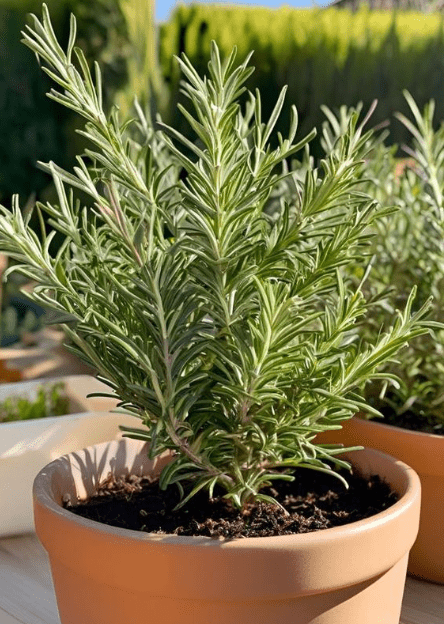
Now for the game-changer that turned me from a rosemary killer into a successful rosemary grower: the ice cube watering method combined with the right pot and placement.
The Ice Cube Watering Technique
Instead of pouring water onto your rosemary, use ice cubes. Place 2-3 ice cubes on the soil surface once a week (or even less frequently). As they melt slowly, they provide just enough moisture without saturating the soil.
This method prevents overwatering because:
- The slow melt rate allows soil to absorb water gradually
- You can’t accidentally dump too much water at once
- It’s easy to stay consistent with a simple routine
- You can visually see exactly how much water you’re giving
I was skeptical at first—ice cubes seemed too simple to solve such a persistent problem. But after trying it, my rosemary transformed within weeks. The needles became vibrant and green again, new growth appeared, and the plant actually started thriving instead of just surviving.
Why This Works
The ice cube method mimics the natural watering pattern rosemary experiences in the wild—infrequent, slow water absorption rather than sudden drenching. The soil has time to dry out between waterings, which is exactly what rosemary roots need to stay healthy.
Setting Up Your Rosemary for Success
The ice cube trick works best when combined with proper setup. Here’s how to create the ideal environment.
Choose the Right Container
Terracotta or clay pots are your best friends with rosemary. These materials are porous and allow moisture to evaporate through the sides of the pot, not just through the drainage hole. This prevents water from sitting around the roots.
Make sure whatever pot you choose has drainage holes—this is non-negotiable. If water can’t escape, even the ice cube method won’t save your plant.
Size matters too. Rosemary prefers being slightly root-bound rather than swimming in a pot that’s too large. Choose a container that’s only 1-2 inches wider than the root ball.
Use the Right Soil Mix
Regular potting soil is too moisture-retentive for rosemary. Create a custom mix that drains quickly:
- 2 parts potting soil
- 1 part coarse sand or perlite
- 1 part small gravel or pumice
This mixture allows water to flow through quickly while still providing some moisture retention and nutrients. The grittier texture more closely mimics rosemary’s natural growing conditions.
If making your own mix sounds like too much work, look for cactus and succulent potting mix, which has similar drainage properties.
Location, Location, Location
Place your rosemary in the brightest spot you have. South-facing windows are ideal in the Northern Hemisphere. The plant should receive at least 6 hours of direct sunlight daily.
If you don’t have a spot with enough natural light, consider supplementing with a grow light. Position it about 6-12 inches above the plant and run it for 12-14 hours daily.
Keep the plant away from heating vents and air conditioning units, which create extreme temperature fluctuations.
The Complete Rosemary Care Routine
Beyond the ice cube hack, these practices will keep your rosemary healthy long-term.
Watering Schedule
During the growing season (spring and summer), use the ice cube method once a week. In fall and winter, reduce to once every 10-14 days. Always check the soil first—it should be completely dry at least an inch down before watering again.
Stick your finger into the soil to test moisture levels. If it feels even slightly damp, wait another few days. Remember: when in doubt, wait it out. Rosemary tolerates drought much better than excess water.
Pruning for Health and Bushiness
Regular pruning keeps rosemary healthy and encourages bushy growth. Every few weeks, snip off the top 2-3 inches of new growth. This prevents the plant from becoming leggy and stimulates side branching.
Use these clippings in cooking—no waste involved. Always cut just above a leaf node (where leaves emerge from the stem) to encourage new growth from that point.
Never remove more than one-third of the plant at once. Aggressive pruning can stress the plant and slow its recovery.
Dealing with Brown Tips and Needles
If you notice brown tips on the needles, it’s usually a sign of underwatering or low humidity. Yes, rosemary likes dry air, but extremely dry conditions can cause tip burn.
If browning occurs, check your watering schedule. You might need to add one extra ice cube or water slightly more frequently. You can also mist the plant lightly once a week, though this isn’t usually necessary.
Brown needles that fall off easily often indicate overwatering or root rot. If this happens, immediately reduce watering and check the roots. Healthy roots are white or light tan; rotted roots are brown, black, or mushy.
Fertilizing Minimally
Rosemary doesn’t need much fertilizer. In fact, over-fertilizing causes more problems than it solves. Use a diluted liquid fertilizer (half the recommended strength) once a month during spring and summer only.
Skip fertilizing entirely in fall and winter when growth naturally slows. Too much nitrogen causes soft, weak growth that’s more susceptible to pests and diseases.
Troubleshooting Common Problems
Even with the ice cube method and proper care, issues can arise. Here’s how to address them.
Powdery Mildew
White, powdery spots on leaves indicate powdery mildew, a fungal problem caused by poor air circulation and excess moisture. Improve airflow around the plant by spacing it away from other plants and running a small fan nearby.
Remove affected leaves and reduce watering frequency. In severe cases, spray with a mixture of 1 tablespoon baking soda and 1 teaspoon dish soap in a quart of water.
Spider Mites
Tiny webs and stippled leaves signal spider mites. These pests love dry, stagnant conditions. Spray the plant thoroughly with water to dislodge them, then treat with insecticidal soap or neem oil.
Increase humidity slightly and improve air circulation to prevent recurrence.
Leggy Growth
If your rosemary is growing tall and sparse rather than bushy and full, it’s reaching for light. Move it to a brighter location and prune it back to encourage bushier growth.
Cut back leggy stems by one-third, making cuts just above leaf nodes. New growth will emerge fuller and stronger.
Complete Failure: Starting Over
If your rosemary is more than 50% brown and crispy, it’s probably too far gone. But don’t give up on rosemary entirely. Take what you’ve learned and start fresh with a new plant, implementing the ice cube method and proper setup from day one.
Growing Rosemary Outdoors
If you have outdoor space, rosemary often performs better there than indoors, especially in warmer climates.
Climate Considerations
Rosemary is hardy in USDA zones 7-10. In these areas, it can grow year-round outdoors, often reaching shrub-like proportions of 3-4 feet tall and wide.
In colder zones, grow rosemary in containers that can be moved indoors during winter, or treat it as an annual.
Outdoor Care Differences
Outdoor rosemary needs even less intervention than indoor plants. Natural rainfall often provides adequate water, though you’ll need to water during prolonged dry spells.
Plant in full sun with well-draining soil. Once established, rosemary is remarkably drought-tolerant and requires minimal maintenance beyond occasional pruning.
Why Rosemary Is Worth the Effort
Despite its fussiness indoors, rosemary is absolutely worth growing. Fresh rosemary elevates cooking in a way that dried herbs simply cannot match.
The flavor is more complex, more aromatic, and more vibrant. A few fresh needles transform roasted potatoes, grilled meats, focaccia bread, and countless other dishes.
Beyond culinary uses, rosemary has a beautiful fragrance that fills your home. Brushing against the plant releases aromatic oils that create an instantly calming atmosphere.
Growing herbs also connects you to your food in a meaningful way. There’s satisfaction in walking to your windowsill, snipping fresh rosemary, and immediately using it in your cooking.
The Bottom Line on Rosemary Care
Most folks have no clue that the secret to keeping rosemary alive is actually watering it less, not more. The ice cube method provides the perfect amount of moisture without the risk of overwatering that kills most rosemary plants.
Combined with proper light, well-draining soil, and a terracotta pot, this simple hack transforms rosemary from a temperamental plant into a reliable, long-lasting herb garden staple.
The key is understanding that rosemary isn’t like other houseplants. It evolved in harsh, dry, sunny conditions and prefers benign neglect over attentive care. Once you adjust your approach to match its Mediterranean origins, success follows naturally.
Stop overthinking it, stop overwatering it, and start using ice cubes. Your rosemary will thank you by actually staying alive and providing you with fresh herbs for years to come. Trust me—if I can keep rosemary alive now after killing multiple plants, anyone can. The ice cube hack really is that simple and that effective.
