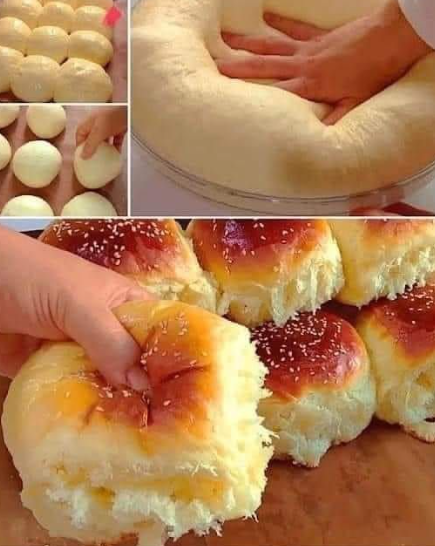
Storing and Reheating Milk Brioche Rolls
Room Temperature Storage
Store completely cooled rolls in an airtight container or resealable bag at room temperature for up to 2 days. The butter content helps maintain moisture, but brioche dries out faster than lean breads.
Refrigeration
For longer storage, refrigerate rolls in an airtight container for up to one week. Bring to room temperature or warm slightly before serving for the best texture.
Freezing
Milk brioche rolls freeze exceptionally well. Once completely cool, wrap individual rolls tightly in plastic wrap, then place in a freezer-safe bag. Freeze for up to 3 months. Thaw at room temperature or overnight in the refrigerator.
Reheating
To restore just-baked freshness, wrap rolls in aluminum foil and warm in a 350°F oven for 10-12 minutes. Alternatively, microwave individual rolls for 15-20 seconds, though this method produces slightly different texture.
Serving Suggestions for Milk Brioche Rolls
The versatility of milk brioche rolls makes them suitable for numerous occasions and pairings.
Breakfast and Brunch
Serve warm rolls with butter and your favorite jam or preserves. The slightly sweet flavor pairs beautifully with both sweet and savory breakfast foods. Split and toast them for an elevated experience.
Dinner Accompaniment
Milk brioche rolls complement soups, stews, and roasted meats perfectly. Their soft texture and buttery flavor balance hearty, savory dishes without overwhelming delicate flavors.
Sandwich Base
The tender crumb makes these rolls ideal for sandwiches. Use them for sliders, pulled pork, or even upscale burger buns. Their structure holds up well to moist fillings without becoming soggy.
Special Occasions
Golden, homemade milk brioche rolls elevate holiday meals and special dinners. Present them in a cloth-lined basket for an impressive, restaurant-quality touch.
Nutritional Considerations
While milk brioche rolls deliver exceptional taste, their enriched nature means higher calorie and fat content compared to plain rolls. A typical roll contains approximately 250-280 calories, with significant contributions from butter and eggs.
The protein from eggs and milk provides nutritional value, while the carbohydrates offer energy. Enjoy these treats in moderation as part of a balanced diet, appreciating them as an occasional indulgence rather than an everyday staple.
Frequently Asked Questions
Can I make the dough ahead? Absolutely. Prepare the dough through the first rise, then refrigerate overnight. The cold fermentation develops flavor complexity while fitting your schedule.
Can I use a bread machine? Yes, though the traditional method produces superior texture. Use the dough cycle, then shape and bake manually.
Why didn’t my rolls rise? Check yeast freshness, milk temperature, and rising environment. Expired yeast, too-hot liquid, or cold ambient temperature all inhibit rising.
Can I make mini rolls? Divide the dough into smaller portions for appetizer-sized rolls. Adjust baking time accordingly, checking for doneness after 12-15 minutes.
Is a stand mixer necessary? While it simplifies the process significantly, you can knead by hand. Expect 20-25 minutes of vigorous hand kneading to achieve proper gluten development.
Conclusion
Mastering milk brioche rolls opens up a world of baking possibilities. These buttery, tender rolls transform ordinary meals into memorable occasions. While the process requires time and attention, the results justify every minute invested. The aroma filling your kitchen as they bake, the golden glow of perfectly finished rolls, and the delighted reactions from those who taste them make the effort worthwhile.
Start with this foundational recipe, practice the techniques, and soon you’ll bake milk brioche rolls with confidence. Each batch improves your skills, and before long, these rolls will become a cherished tradition in your home, just as they’ve been treasured in French baking for centuries.
