The Rich History Behind Brioche
Understanding the heritage of brioche enriches your appreciation for these remarkable rolls. The word “brioche” traces its origins to Norman French, derived from the verb “brier,” meaning to knead or work the dough. Historical records show that brioche emerged in the Norman region of France around the early 15th century, with the term first appearing in written texts around 1404.
Initially reserved for the wealthy due to its expensive butter content, brioche gradually became accessible to all social classes. Normandy’s reputation for producing exceptional dairy products made it the perfect birthplace for this butter-rich bread. Over centuries, French bakers refined the recipe, increasing the butter-to-flour ratio and perfecting the technique that gives brioche its signature texture.
Essential Ingredients for Perfect Milk Brioche Rolls
Creating bakery-quality milk brioche rolls at home requires attention to ingredient selection. Each component plays a crucial role in developing the characteristic flavor and texture.
Core Ingredients
All-Purpose or Bread Flour: The foundation of your rolls requires flour with adequate protein content, ideally between 11-12%. This protein level provides sufficient gluten development to support the enriched dough while maintaining tenderness.
Whole Milk: Full-fat milk is non-negotiable for authentic brioche. The milk fat contributes to the soft crumb and adds subtle richness. Reduced-fat or skim milk will produce a wetter, stickier dough that lacks the proper texture.
Butter: High-quality unsalted butter defines brioche character. The recipe typically calls for a substantial amount, often appearing excessive compared to regular bread recipes, but this generous quantity is essential for achieving the tender, melt-in-your-mouth texture.
Eggs: Large eggs at room temperature integrate smoothly into the dough. The yolks contribute fat that further tenderizes the bread, while the proteins add structure and create the beautiful golden color.
Sugar: A moderate amount of granulated sugar sweetens the dough subtly without making it dessert-like. Sugar also feeds the yeast and encourages proper rising.
Yeast: Active dry yeast or instant yeast both work well. The yeast must be fresh to ensure proper fermentation and rise.
Salt: Kosher or fine sea salt enhances flavor and strengthens gluten structure.
Temperature Matters
Ingredient temperature significantly impacts dough development. Warm milk should register around 100-110°F when activating yeast. Cold butter prevents premature melting during mixing, while room-temperature eggs blend more easily into the dough.
The Step-by-Step Process of Making Milk Brioche Rolls
Creating milk brioche rolls follows a methodical process that rewards patience with exceptional results.
Activating the Yeast
Begin by combining warm milk with sugar and yeast in a measuring cup or small bowl. The milk temperature is critical—too hot kills the yeast, while too cold prevents activation. After stirring briefly, allow the mixture to rest for 10-15 minutes until it becomes frothy and bubbly, confirming the yeast is alive and active.
Mixing the Dough
In a large bowl or stand mixer fitted with a dough hook, combine flour, additional sugar, and salt. Create a well in the center and add the activated yeast mixture along with beaten eggs. Mix on low speed initially, allowing the flour to incorporate gradually. As the ingredients come together, increase to medium speed.
The dough will appear shaggy and dry at first. Resist the temptation to add extra liquid—patience allows the flour to fully hydrate. Continue mixing for 7-10 minutes until the dough becomes smooth and begins to pull away from the bowl sides.
Incorporating the Butter
This step distinguishes brioche from simpler breads. Add softened butter gradually, one tablespoon at a time, ensuring each addition incorporates fully before adding more. The dough may look broken or greasy during this process, but continued kneading brings everything together into a silky, cohesive mass.
The Windowpane Test
To verify proper gluten development, perform the windowpane test. Pinch off a small piece of dough and gently stretch it between your fingers. Properly developed dough stretches thin enough to see light through it without tearing. This elasticity ensures your rolls will have the correct texture.
First Rise
Transfer the dough to a lightly greased bowl, cover tightly with plastic wrap or a damp towel, and allow it to rise in a warm, draft-free location. The first rise typically takes 1.5-2 hours at room temperature, or you can refrigerate the dough for an overnight cold fermentation, which develops deeper flavor.
The dough should double in size during this rise. Enriched doughs rise more slowly than lean doughs because the fat and sugar inhibit yeast activity, but the wait produces superior flavor and texture.
Shaping Your Milk Brioche Rolls
Once the dough completes its first rise, shaping determines the final appearance of your rolls.
Dividing the Dough
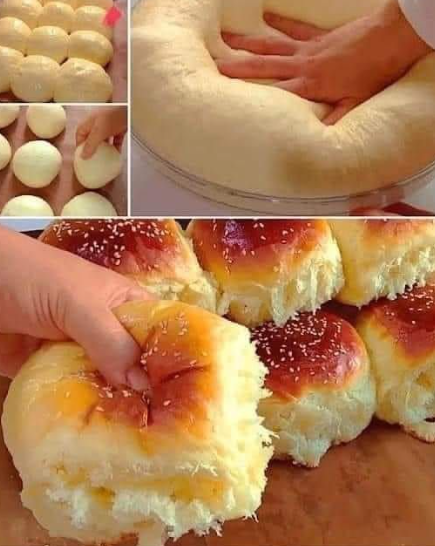
Turn the risen dough onto a lightly floured work surface. Gently deflate it to release excess gas bubbles, then divide it into equal portions. For standard dinner rolls, 12-16 pieces work well. Use a kitchen scale for uniform sizing, which ensures even baking.
Creating Round Rolls
To shape each portion into a smooth ball, cup your hand over the dough piece and roll it in a circular motion against the work surface. The surface tension created by this motion produces a taut, smooth exterior that results in an attractive finished roll.
Arranging for Baking
Place shaped rolls in a greased baking pan, leaving small gaps between them. As they proof and bake, they’ll expand and gently touch, creating those appealing pull-apart sides. Alternatively, space them further apart on a baking sheet for rolls with crusty exteriors on all sides.
The Second Rise and Baking
Proofing the Shaped Rolls
Cover the shaped rolls loosely with plastic wrap or a clean kitchen towel and allow them to proof for 45 minutes to 1 hour. They should become puffy and nearly double in size. Press gently with a fingertip—if the indentation springs back slowly, they’re ready to bake.
Egg Wash for Golden Perfection
Just before baking, prepare an egg wash by whisking together one egg with a tablespoon of milk or water. Brush this mixture gently over the roll surfaces using a pastry brush. The egg wash creates the characteristic glossy, golden-brown finish that makes brioche so visually appealing.
Baking Temperature and Time
Preheat your oven to 350-375°F. The slightly lower temperature compared to crusty breads allows the rich dough to bake through without over-browning the exterior. Bake for 20-25 minutes, rotating the pan halfway through for even coloring.
The rolls are done when they’re deeply golden brown and spring back when gently pressed. For accuracy, an instant-read thermometer inserted into the center should register around 190°F.
Cooling
Transfer baked rolls to a wire rack and allow them to cool for at least 10-15 minutes before serving. This cooling period allows the interior structure to set properly, preventing gumminess.
Tips for Brioche Success
Common Challenges and Solutions
Sticky Dough: Brioche dough naturally feels slightly tacky. Avoid adding excessive flour, which produces dry, dense rolls. If the dough is unmanageably sticky, refrigerate it for 30 minutes to firm up.
Slow Rising: Enriched doughs take longer to rise than lean doughs. Be patient and provide a warm environment. A cold kitchen may require placing the dough near a warm oven or in a slightly warmed oven (turned off).
Butter Leaking Out: If butter pools around your rolls during baking, the butter wasn’t fully incorporated during mixing, or the dough was overproofed. Ensure thorough kneading and watch rising times carefully.
Pale Color: Insufficient egg wash or too low an oven temperature results in pale rolls. Apply egg wash generously and verify oven temperature with an oven thermometer.
Flavor Variations
While classic milk brioche rolls shine on their own, simple additions create delightful variations. Brush warm rolls with honey butter, sprinkle with sesame or poppy seeds before baking, or add a touch of vanilla extract to the dough for enhanced sweetness….
