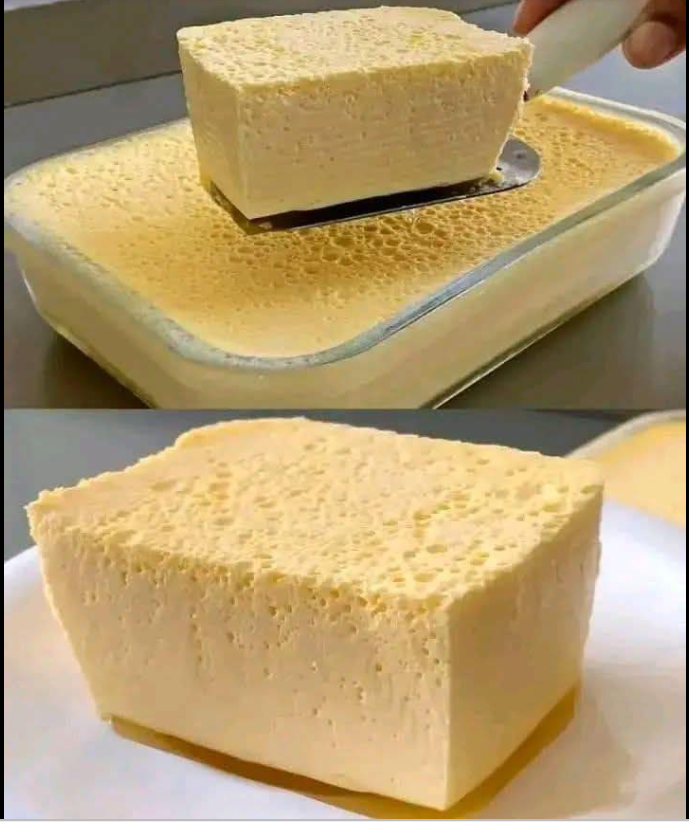
Essential Ingredients for Success
To create this Japanese masterpiece, you’ll need:
- 8 oz (225g) cream cheese, at room temperature
- 1/4 cup (60ml) whole milk
- 6 tablespoons (85g) unsalted butter
- 6 large eggs, separated
- 1/2 cup (100g) granulated sugar, divided
- 1/4 cup (30g) cake flour
- 2 tablespoons (15g) cornstarch
- 1/4 teaspoon salt
- 1 teaspoon vanilla extract
- 1 tablespoon lemon juice
- 1/4 teaspoon cream of tartar
Understanding Ingredient Roles
Cream cheese provides that signature tangy flavor, while the separated eggs create the dual structure—yolks for richness and whites for lift. The combination of cake flour and cornstarch ensures a tender, delicate crumb that won’t weigh down the airy texture.
Step-by-Step Preparation Guide
Setting Up for Success
Preheat your oven to 320°F (160°C). Line the bottom and sides of an 8-inch round cake pan with parchment paper, making sure the paper extends above the rim by about 2 inches. This collar helps the cake rise properly. You’ll also need a larger pan for a water bath—this is crucial for even, gentle baking. 💧
Creating the Base Mixture
In a double boiler or microwave, melt the cream cheese, butter, and milk together until smooth. Stir frequently to avoid any lumps. Let this mixture cool slightly, then whisk in the egg yolks one at a time, followed by the vanilla extract and lemon juice.
Sift the cake flour, cornstarch, and salt together, then gently fold them into the cream cheese mixture until just combined. The batter should be smooth and lump-free.
The Critical Meringue Step
This is where the magic happens. In a spotlessly clean bowl, beat the egg whites with cream of tartar on medium speed until foamy. Gradually add the sugar, one tablespoon at a time, while continuing to beat. Increase the speed to medium-high and beat until you achieve soft, glossy peaks—they should gently fold over when you lift the beaters.
The meringue should be stable but not overly stiff. Over-beating will make it dry and difficult to fold, resulting in a less fluffy cake. ✨
Folding Technique Matters
Take one-third of the meringue and fold it into the cream cheese mixture using a gentle swooping motion. This lightens the base and makes it easier to incorporate the remaining meringue. Add the rest of the meringue in two additions, folding carefully to maintain as much air as possible.
The key is to work quickly but gently—you want a uniform batter without deflating those precious air bubbles you’ve worked so hard to create.
Baking with a Water Bath
Pour the batter into your prepared pan and tap it gently on the counter to release any large air bubbles. Place the cake pan inside a larger roasting pan, then carefully pour hot water into the roasting pan until it reaches halfway up the sides of the cake pan.
Bake for 70-75 minutes. The cake should be set around the edges but still have a slight jiggle in the center. The top will be golden brown and may crack slightly—that’s perfectly normal and adds rustic charm. 🔥
The Cooling Process
Turn off the oven and crack the door open slightly. Let the cake cool in the oven for 15 minutes—this gradual temperature change prevents dramatic sinking. Remove from the oven and water bath, then let it cool completely at room temperature.
As it cools, the cake will shrink slightly and pull away from the sides. Don’t panic—this is expected and won’t affect the taste or texture.
Troubleshooting Common Issues
Why Did My Cake Sink?
Significant sinking usually results from under-baking, opening the oven door too early, or deflating the meringue during folding. Make sure your cake is fully set before removing it from the oven.
Achieving That Perfect Jiggle
The iconic wobble comes from the proper balance of structure and air. Using the water bath and not over-baking are essential for maintaining moisture and that signature jiggle.
Serving and Storage Recommendations
Japanese cheesecake is best served at room temperature or slightly chilled. Dust with powdered sugar just before serving for an elegant presentation. Fresh berries or a light berry compote complement the delicate flavor beautifully without overwhelming it. 🍓
Store the cake covered in the refrigerator for up to 4 days. The texture will firm up slightly when cold but will soften again at room temperature. Some people actually prefer it chilled for a denser, more traditional cheesecake experience.
Why You Should Try This Recipe
Light and fluffy Japanese cheesecake represents the pinnacle of delicate baking technique. While it requires attention to detail and careful handling, the reward is a dessert unlike anything else—impossibly soft, elegantly understated, and utterly unforgettable.
Whether you’re an experienced baker looking for a new challenge or someone who appreciates the lighter side of desserts, this Japanese cheesecake will become your new favorite. The process might seem intricate, but once you master it, you’ll find yourself making it again and again for every special occasion.
