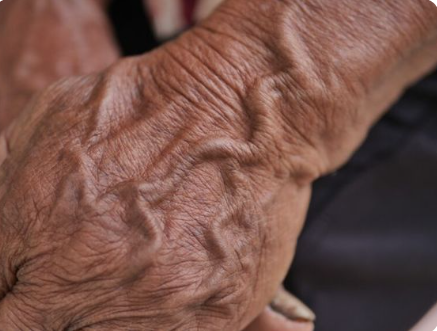
Age and Vein Visibility
As we age, our skin naturally loses elasticity and becomes thinner due to decreased collagen production. This gradual thinning means that veins that weren’t visible in your younger years may become more apparent as you get older. The loss of subcutaneous fat that often accompanies aging further contributes to this phenomenon.
Additionally, years of sun exposure can thin the skin, particularly on your hands and arms, making veins more prominent. While this is a natural part of aging, protecting your skin from excessive sun exposure can help maintain skin thickness and overall skin health.
When Visible Veins Indicate Health Conditions
Varicose Veins: More Than Just Cosmetic
While most visible veins are harmless, varicose veins represent a different situation. These are enlarged, twisted veins that appear dark blue or purple and often bulge above the skin surface. Unlike normal visible veins, varicose veins result from faulty valves within the veins that prevent blood from flowing efficiently back to the heart.
Varicose veins commonly appear on the legs and can cause symptoms including aching, heaviness, swelling, and cramping. Risk factors include prolonged standing, pregnancy, obesity, and family history. While not always serious, they can sometimes lead to complications and should be evaluated by a healthcare provider if they cause discomfort.
Spider Veins and What They Mean
Spider veins are smaller than varicose veins and appear as thin red, blue, or purple lines that spread out like a spider’s web. They’re usually found on the legs and face and are caused by increased pressure in the veins, hormonal changes, sun exposure, or genetic factors.
While spider veins are generally harmless and primarily a cosmetic concern, their sudden appearance or rapid increase should prompt a conversation with your doctor to rule out underlying circulatory issues.
Deep Vein Thrombosis Warning Signs
In rare cases, suddenly visible or swollen veins accompanied by pain, warmth, and redness could indicate deep vein thrombosis, a serious condition where blood clots form in deep veins. This is a medical emergency requiring immediate attention. However, DVT presents with distinct symptoms beyond just vein visibility—typically severe pain, significant swelling, and skin color changes.
The Athletic Connection
Why Fitness Enthusiasts Have Prominent Veins
If you’ve ever noticed that gym-goers and athletes often have remarkably visible veins, there’s a scientific explanation. Regular exercise reduces body fat percentage, increases muscle mass, and improves circulation—all factors that contribute to vein prominence.
Strength training, in particular, increases muscle size, which can push veins closer to the skin surface. The increased blood flow to muscles during and after workouts causes temporary vein dilation. Over time, with consistent training, these veins may remain more visible even at rest.
Vascularity as a Fitness Marker
In bodybuilding and fitness communities, visible veins—referred to as “vascularity”—are often considered a sign of low body fat and good conditioning. However, it’s important to note that vein visibility alone doesn’t determine fitness level. Some extremely fit individuals may not have visible veins due to their skin type or genetics, while others may have prominent veins without being particularly athletic.
Factors That Temporarily Affect Vein Visibility
Hydration Levels
Your hydration status significantly impacts how visible your veins appear. When you’re well-hydrated, your blood volume increases, causing veins to appear fuller and more prominent. Conversely, dehydration can make veins less visible as blood volume decreases.
Interestingly, this relationship can be counterintuitive. While dehydration reduces blood volume, it can also make skin appear more taut, potentially making veins more visible in some cases. Maintaining proper hydration is important for overall health, regardless of how it affects vein appearance.
Temperature and Weather Conditions
Hot weather causes blood vessels to dilate, bringing more blood to the skin surface to help cool your body. This natural thermoregulation process makes veins more visible during summer months or after hot showers. Cold weather has the opposite effect, causing vessels to constrict and veins to become less apparent.
Sodium Intake and Water Retention
High sodium consumption causes your body to retain water, which can make you appear less vascular. Bodybuilders and fitness models often manipulate their sodium and water intake before competitions or photo shoots to maximize vein visibility. However, this practice isn’t recommended for general health purposes and is only appropriate for specific, short-term situations.
Common Myths About Visible Veins
Myth: Visible Veins Mean You’re Dehydrated
While hydration affects vein appearance, visible veins don’t automatically indicate dehydration. In fact, as mentioned earlier, good hydration can actually make veins more prominent. This myth likely persists because nurses often have an easier time finding veins for blood draws in well-hydrated patients.
Myth: You Can “Get Rid” of Visible Veins
Unless your visible veins are varicose veins requiring medical treatment, there’s no need—and often no effective way—to eliminate them. They’re a natural part of your anatomy. While gaining body fat might make them less visible, this isn’t a recommended health strategy. Cosmetic treatments exist for spider veins and varicose veins, but normal visible veins require no intervention.
Myth: Visible Veins Indicate High Blood Pressure
Vein visibility has no direct correlation with blood pressure. Blood pressure affects arteries primarily, not veins. You can have perfectly normal blood pressure with very visible veins, or high blood pressure with no visible veins. They’re separate aspects of your cardiovascular system.
When to Consult a Healthcare Provider
Warning Signs to Watch For
While visible veins are usually benign, certain symptoms warrant medical attention. Seek professional evaluation if you experience sudden onset of visible veins accompanied by pain, swelling, warmth, or redness. These could indicate blood clots or inflammation.
Additionally, if veins become painful, begin to bulge significantly, or cause skin changes like discoloration or ulcers, schedule an appointment with your doctor. Varicose veins that cause persistent discomfort may benefit from treatment options ranging from lifestyle modifications to medical procedures.
Preventive Vein Health
Maintaining healthy veins involves lifestyle choices that benefit your overall cardiovascular system. Regular exercise improves circulation and vein function. Avoiding prolonged periods of sitting or standing helps prevent blood pooling. Maintaining a healthy weight reduces pressure on your veins. Elevating your legs when resting can improve circulation and reduce strain on leg veins.
Embracing Your Body’s Natural Variations
Visible Veins Are Normal
The bottom line is that visible veins are a normal anatomical feature for many people. They’re influenced by genetics, body composition, skin characteristics, and temporary factors like temperature and activity level. Rather than viewing them as a flaw, it’s helpful to understand them as one of the many ways human bodies naturally vary.
Cultural Perceptions and Body Image
Attitudes toward visible veins vary across cultures and contexts. In fitness communities, they’re often celebrated as signs of dedication and conditioning. In other contexts, people may feel self-conscious about them. Remember that visible veins are neither inherently attractive nor unattractive—they’re simply a physical characteristic.
If your visible veins bother you aesthetically, there are cosmetic options available, though these are typically reserved for spider veins or varicose veins rather than normal vein visibility. However, for most people, visible veins require no treatment or intervention.
The Science of Why Veins Look Blue
Understanding Vein Color
You might wonder why veins appear blue or greenish when blood is actually red. This optical illusion occurs due to how light penetrates and reflects off your skin. Different wavelengths of light penetrate skin to different depths. Red light penetrates deeper, while blue light is absorbed and reflected by the skin and veins closer to the surface.
Your veins aren’t actually blue—they carry deoxygenated blood that’s a darker red than oxygenated arterial blood. The blue appearance is simply how your eye and brain interpret the light reflecting back from beneath your skin.
Maximizing Vein Health Throughout Life
Lifestyle Habits That Support Healthy Circulation
Whether your veins are visible or not, maintaining circulatory health is important. Stay physically active with regular cardiovascular and strength training exercises. Avoid smoking, which damages blood vessels and impairs circulation. Manage conditions like diabetes and high cholesterol that can affect vascular health.
Wearing compression stockings during long flights or periods of immobility can help prevent blood pooling. If your job requires prolonged standing or sitting, take regular breaks to move and change positions.
Nutrition for Vascular Health
Certain nutrients support vein health and function. Vitamin C helps build collagen, which strengthens vein walls. Flavonoids found in berries, citrus fruits, and dark chocolate can improve circulation. Vitamin E supports blood vessel health. Foods rich in fiber help prevent constipation, which can contribute to varicose vein development.
Final Thoughts on Visible Veins
If you have visible veins, it means you are likely someone with a combination of lower body fat, thinner or lighter skin, good genetics, or increased blood flow from physical activity. In the vast majority of cases, visible veins are a completely normal and healthy feature that requires no concern or treatment.
Understanding what causes vein visibility helps you appreciate the remarkable complexity of your circulatory system and recognize the many normal variations in human anatomy. Unless accompanied by pain, significant bulging, or other concerning symptoms, your visible veins are simply part of what makes your body uniquely yours.
