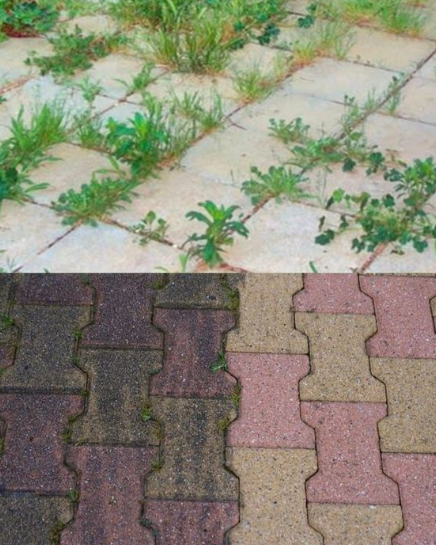
White vinegar contains acetic acid that dehydrates and kills plant tissue on contact. For weed control, use vinegar with at least 5% acidity, though higher concentrations (10-20%) work even better for stubborn weeds.
Create a weed-killing spray by filling a spray bottle with white vinegar. For enhanced effectiveness, add a tablespoon of dish soap per gallon of vinegar—the soap acts as a surfactant, helping the solution stick to leaves rather than beading off. Some people also add a cup of salt to increase potency, though this makes the soil inhospitable to all plants for some time.
Spray this solution directly on weed leaves on a sunny day. The sun intensifies the vinegar’s burning effect. Within hours, you’ll see weeds wilting and browning. Like boiling water, vinegar works best on young weeds and may require repeated applications for established perennials.
Important note: Vinegar is non-selective, meaning it will damage or kill any plant it contacts. Apply carefully around desirable plants, and avoid getting it on grass or flowers you want to keep.
Salt: Creating a Hostile Environment
Salt is another household item that effectively controls weeds by dehydrating plants and making soil inhospitable. However, salt should be used cautiously because it can damage soil health and affect future plant growth in treated areas.
For spot treatment of individual weeds, sprinkle salt directly on the base of the plant and water lightly to help it penetrate the soil. For larger areas like gravel paths or between pavers where you don’t want anything growing, you can create a more concentrated salt solution.
Mix one part salt with two parts water and spray or pour onto weedy areas. This method works well for permanent weed barriers in non-growing areas but should never be used in garden beds or near trees and shrubs, as salt can spread through soil and harm desirable plants.
Mulching: Prevention Through Coverage
One of the most effective long-term strategies for weed prevention is proper mulching. A thick layer of mulch blocks sunlight, preventing weed seeds from germinating while also retaining soil moisture and regulating temperature for your desired plants.
Apply 2-4 inches of organic mulch such as wood chips, bark, shredded leaves, or straw around plants and throughout garden beds. The mulch creates a physical barrier that smothers existing weeds and prevents new ones from establishing.
As organic mulch breaks down, it enriches the soil with nutrients, improving growing conditions for your plants while continuing to suppress weeds. Replenish mulch annually or as needed to maintain adequate depth.
For even better weed prevention, lay cardboard or several layers of newspaper under the mulch. This biodegradable barrier completely blocks light while eventually decomposing to feed the soil.
Landscape Fabric: Long-Term Barrier Protection
For areas where you want permanent weed control under decorative rock, gravel, or mulch, landscape fabric provides an effective barrier. Unlike plastic sheeting, quality landscape fabric allows water and air to penetrate to the soil while blocking weeds.
Prepare the area by removing existing weeds and leveling the soil. Lay the landscape fabric, overlapping seams by at least 6 inches, and secure it with landscape staples. Cut X-shaped slits where you want to plant desirable plants. Cover the fabric with 2-3 inches of mulch or decorative rock.
While landscape fabric works well, it’s not truly permanent. Over time, debris and organic matter accumulate on top, creating a new surface where weeds can grow. Plan to refresh the top layer every few years and repair any tears or gaps in the fabric.
Manual Removal: The Time-Tested Approach
Sometimes the most effective method is simply pulling weeds by hand or with appropriate tools. While labor-intensive, manual removal gives you complete control and ensures you get the entire root system.
For best results, pull weeds after rain or watering when soil is moist and roots release more easily. Grab the weed as close to the base as possible and pull steadily, trying to extract the entire root. Tools like dandelion pullers, hoes, and weed extractors make the job easier and more effective, especially for deep-rooted perennials.
The key to making manual weeding manageable is consistency. Spend 15-20 minutes several times per week removing new weeds before they establish deep roots or produce seeds. This regular maintenance prevents the overwhelming buildup that makes weeding feel impossible.
Corn Gluten Meal: Pre-Emergent Natural Control
Corn gluten meal is a byproduct of corn processing that works as a natural pre-emergent herbicide. It prevents weed seeds from germinating without harming established plants, and it adds nitrogen to the soil as a bonus.
Apply corn gluten meal in early spring before weeds germinate, spreading it evenly over lawns and garden beds at a rate of 20 pounds per 1,000 square feet. Water lightly after application. You’ll need to reapply several times during the growing season for continuous protection.
This method works best as part of a long-term strategy. Corn gluten meal becomes more effective with repeated annual applications as it depletes the weed seed bank in your soil over time.
Creating a Weed-Prevention Landscape Strategy
Removing existing weeds is only half the battle. The real secret to a weed-free yard lies in creating conditions where weeds struggle to establish themselves.
Dense Planting Reduces Weed Opportunities
Weeds thrive in bare soil and sparse plantings where they have space, light, and resources. By planting densely with desirable plants, groundcovers, and grass, you eliminate the openings weeds need to gain a foothold.
Choose plants appropriate for your climate and soil conditions that will grow vigorously and fill in quickly. Ground covers like creeping thyme, sedum, or clover create living mulch that crowds out weeds while providing beauty and functionality.
In lawns, maintain thick, healthy grass by following proper mowing, watering, and fertilizing practices. A dense lawn naturally resists weed invasion because established grass roots use available resources and shade out weed seedlings.
Improve Soil Health
Healthy soil grows healthy plants that can out-compete weeds. Many weeds actually indicate specific soil conditions—for example, dandelions thrive in compacted soil, while sorrel indicates acidic conditions.
Test your soil to understand its pH and nutrient levels, then amend as needed with compost, organic matter, and appropriate nutrients. Healthy, balanced soil supports vigorous growth of desirable plants while making conditions less favorable for many common weeds.
Regular addition of compost improves soil structure, increases beneficial microorganism populations, and provides steady nutrient availability. These improvements help your plants thrive while making it harder for weeds to establish.
Proper Watering Techniques
How you water can either encourage or discourage weed growth. Shallow, frequent watering promotes shallow root systems in both weeds and desirable plants. Instead, water deeply and less frequently to encourage deep root growth in your lawn and garden plants.
Consider drip irrigation or soaker hoses that deliver water directly to plant roots rather than broadcasting it over the entire area. This targeted watering gives your plants the moisture they need while keeping surrounding soil drier, which discourages weed seed germination.
Edge Maintenance Creates Barriers
Weeds often invade from the edges—along fences, walkways, and border areas where grass or mulch meets bare soil. Creating and maintaining clean edges prevents this gradual encroachment.
Install physical barriers like metal or plastic edging to separate lawn areas from garden beds. Create gravel or mulched borders along fences and structures. These barriers both look attractive and make it harder for weeds to spread from one area to another.
Specific Solutions for Common Weed Problems
Different types of weeds require tailored approaches for effective control.
Dealing with Crabgrass
Crabgrass is an annual that spreads rapidly in lawns during summer. The best defense is maintaining thick, healthy grass that crowds it out. Mow at a higher setting (3-4 inches) to shade soil and prevent crabgrass seed germination.
If crabgrass appears, remove it by hand before it sets seed, making sure to get the entire root system. Apply corn gluten meal in early spring as a pre-emergent treatment to prevent new crabgrass from germinating.
Eliminating Dandelions
Dandelions have deep tap roots that must be completely removed to prevent regrowth. Use a dandelion puller or similar tool to extract the entire root, which can extend 10 inches or more into the soil.
For large dandelion infestations, repeatedly mowing before flowers develop prevents seed production. Combined with improved lawn care to thicken grass, this gradually reduces dandelion populations.
Controlling Bindweed and Morning Glory
These aggressive vines have extensive root systems that make them particularly challenging. Repeatedly removing all visible growth exhausts the root system over time. Pull or cut shoots as soon as they appear, before they can photosynthesize and send energy back to roots.
Cover affected areas with thick cardboard or multiple layers of newspaper topped with heavy mulch. This blocks light completely and weakens the roots. Maintain the barrier for an entire growing season for best results.
Managing Clover
While some people consider clover a beneficial addition to lawns, others view it as a weed. If you want to reduce clover, focus on lawn health—clover thrives in nitrogen-poor soil.
Apply organic nitrogen sources like compost or aged manure to improve soil fertility. Maintain grass at 3-4 inches height to shade clover. Over time, improved growing conditions favor grass over clover.
Long-Term Maintenance for Lasting Results
Even with excellent prevention strategies, some ongoing maintenance keeps your yard weed-free.
Weekly Inspections and Spot Treatment
Walk through your yard weekly, scanning for new weeds. Address them immediately while they’re small and easy to remove. This regular vigilance prevents small problems from becoming large infestations.
Carry a bucket and weeding tool during your inspections. Pull any weeds you spot, making sure to get roots. This becomes quick and easy when done regularly, taking just minutes per week.
Seasonal Deep Maintenance
Plan for more intensive weed control efforts during key seasons. Early spring is crucial for applying pre-emergent controls and removing winter weeds before they set seed. Late fall is ideal for removing annual weeds and their seeds before winter.
Use these seasonal maintenance windows to refresh mulch, repair landscape fabric, and address any areas where weeds have gained a foothold.
Monitor and Adjust Strategies
Pay attention to which methods work best in your specific situation. Every yard is different, with unique soil conditions, climate factors, and weed pressures. What works perfectly for your neighbor might need adjustment for your property.
Keep notes on what you try and the results you see. This information helps you refine your approach and develop an effective, personalized weed management system.
The Truth About “Forever” Weed Control
It’s important to be realistic about expectations. No method truly eliminates weeds forever without any ongoing effort. Weed seeds blow in on the wind, arrive in compost or mulch, and lay dormant in soil for years before germinating.
However, the combination of effective removal methods and prevention strategies dramatically reduces weed pressure to manageable levels. What might have required hours of weekly weeding becomes a few minutes of maintenance when you implement these approaches consistently.
The goal isn’t perfection—a few weeds here and there are normal in any natural landscape. The goal is control: reducing weeds to a level where they don’t detract from your yard’s appearance and don’t require excessive time and effort to manage.
Safety Considerations for Natural Weed Control
Even though these methods avoid synthetic chemicals, some safety considerations apply.
Boiling Water Precautions
Boiling water causes serious burns. Carry pots carefully, pour slowly and deliberately, and keep children and pets away from treated areas until water has cooled and soaked in.
Vinegar Application Tips
Vinegar, especially in higher concentrations, can irritate skin and eyes. Wear gloves and eye protection when mixing and applying vinegar solutions. Avoid breathing vapors from concentrated vinegar.
Salt Usage Warnings
Remember that salt persists in soil and can damage plants far from the application site through runoff and soil movement. Use salt only in areas where you’re certain it won’t affect desirable plants, and never near trees or in garden beds.
Conclusion: Your Path to a Naturally Weed-Free Yard
How to remove weeds from your garden or yard forever without chemicals is absolutely achievable through the natural methods outlined in this guide. Success comes from combining immediate removal techniques like boiling water and vinegar with long-term prevention strategies like mulching and dense planting.
Start by addressing your current weed problem with the removal method most appropriate for your situation. Then implement prevention strategies to stop new weeds from establishing. Stay consistent with regular maintenance, and within a few months you’ll notice dramatically fewer weeds and far less time spent managing them.
Your efforts create benefits beyond just weed control. You’ll build healthier soil, create habitat for beneficial insects and wildlife, and eliminate exposure to potentially harmful chemicals. The time you invest in natural weed management pays dividends in a more beautiful, sustainable, and healthy outdoor space for years to come.
The journey to a weed-free yard begins with a single step. Choose one method from this guide and implement it today. Your future self—and your garden—will thank you.
