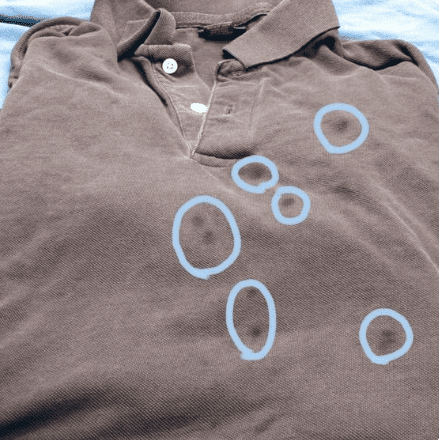
How to remove set-in grease stains from laundry is one of the most common household challenges that leaves people frustrated and ready to throw away perfectly good clothing. That stubborn oil spot that survived the wash cycle doesn’t have to mean the end of your favorite shirt. Whether it’s cooking oil, motor oil, butter, or any other greasy substance that’s been sitting in fabric fibers for days or weeks, there are proven methods to lift these seemingly permanent stains and restore your clothes to their original condition.
Table of Contents
Why Grease Stains Are So Stubborn and Difficult to Remove
Grease stains behave differently from water-based stains because oil and water don’t mix. When you wash a greasy garment with regular detergent and water, the oil molecules repel the water, allowing the stain to remain embedded in the fabric fibers. This becomes even more problematic when the stained item goes through the dryer, as heat essentially bakes the grease into the fabric, making it a set-in stain.
Understanding this chemistry explains why traditional washing methods fail. The key to success lies in breaking down the oil before attempting to wash it out. Once grease has set in, you need to dissolve the oil bonds that have adhered to the fabric, and this requires specific techniques and products that target oil-based stains.
Essential Supplies for Tackling Set-In Grease Stains
Kitchen Staples That Fight Grease
You probably have several grease-fighting ingredients in your kitchen right now. Dish soap, particularly brands designed to cut through cooking grease, works wonders on fabric stains. Baking soda acts as an absorbent and mild abrasive that helps lift oil from fibers. White vinegar breaks down grease while also acting as a fabric softener and deodorizer.
Cornstarch or talcum powder can absorb fresh oil and even pull some grease from older stains. These powders work by drawing oil out of the fabric through absorption, making them valuable first-line treatments.
Commercial Products Worth Having
A good enzyme-based stain remover specifically formulated for grease and oil stains belongs in every laundry room. These products contain enzymes that break down oil molecules, making them easier to wash away. Look for products that list lipase among their enzymes, as this specifically targets fats and oils.
Laundry pre-treatment sprays designed for tough stains can also be effective, though check the label to ensure they’re meant for grease. Some stain removers target protein-based stains like blood and grass but won’t help much with oils.
The Dish Soap Method: Your First Line of Defense
Why Dish Soap Works So Well
Dish soap is specifically formulated to break down cooking grease and oil, which is exactly what you need for laundry grease stains. The surfactants in dish soap surround oil molecules and allow them to be rinsed away with water. This same chemistry that cleans your dishes works beautifully on fabric.
For set-in grease stains, dish soap often succeeds where laundry detergent fails because it’s designed specifically for degreasing rather than general cleaning.
Step-by-Step Dish Soap Application
Start by laying the stained garment on a flat surface with the stain facing up. Apply a generous amount of dish soap directly to the grease stain, making sure to cover it completely. Use a soap that’s clear or lightly colored to avoid potentially staining the fabric with dye.
Work the dish soap into the fabric using your fingers or a soft-bristled toothbrush. Rub gently but thoroughly, working from the outside edges of the stain toward the center. This prevents spreading the grease to clean areas of fabric. You should see the soap becoming cloudy or discolored as it lifts the grease.
Let the dish soap sit on the stain for at least five to ten minutes. For very old or stubborn stains, you can leave it for thirty minutes or even longer. The soap needs time to penetrate the fabric and break down the oil molecules.
After the treatment time, rinse the area with hot water. Hot water helps dissolve grease better than cold water. Check to see if the stain is fading. If you still see grease, repeat the process before putting the item in the washing machine.
Once you’ve treated the stain, wash the garment in the hottest water safe for the fabric type, checking the care label first. Add your regular laundry detergent and wash as normal. Before putting the item in the dryer, check to make sure the stain is completely gone, as heat will set any remaining grease.
The Baking Soda Paste Technique for Stubborn Stains
Creating the Perfect Paste Consistency
Mix three parts baking soda with one part water to create a thick paste. The consistency should be similar to toothpaste—thick enough to stay in place but spreadable. If it’s too runny, add more baking soda. If it’s too thick, add water a few drops at a time.
This paste works through multiple mechanisms. The baking soda absorbs oil while also providing gentle abrasion that helps lift the stain from fabric fibers without damaging the material.
Application and Treatment Process
Apply the baking soda paste generously over the entire grease stain, making sure to cover all affected areas. Use your fingers or a spoon to spread it evenly, creating a layer about a quarter-inch thick.
Let the paste sit on the stain for at least thirty minutes. For particularly stubborn set-in stains, you can leave it for several hours or even overnight. The longer contact time allows more oil absorption and deeper penetration into the fabric.
After the treatment period, use an old toothbrush to gently scrub the dried paste in circular motions. This mechanical action combined with the baking soda’s absorbent properties helps dislodge grease from deep within the fabric fibers.
Rinse the area thoroughly with hot water while continuing to rub the fabric together. The grease should begin washing away. Follow up with the dish soap method for maximum effectiveness, then launder as usual.
The Powerful Combination Method for Maximum Results
Why Combining Treatments Works Better
Set-in grease stains often require a multi-pronged approach. Each treatment method attacks the stain differently, and combining them creates a more powerful effect than using any single method alone. This combination approach is especially necessary for stains that have been through the dryer or have been in the fabric for months.
The Three-Step Power Treatment
Start with powder absorption. Generously sprinkle cornstarch, baking soda, or talcum powder over the grease stain. Let it sit for twenty to thirty minutes to absorb surface oils and oils just beneath the surface. Brush away the powder.
Next, apply dish soap as described earlier. Work it thoroughly into the stain and let it sit for at least fifteen minutes. This breaks down the grease chemically.
Finally, create a soaking solution of hot water with added dish soap and baking soda. Submerge the garment and let it soak for one to two hours. This extended contact time allows the cleaning agents to work deeply into the fabric. After soaking, wash the item in the washing machine with hot water and regular detergent.
Alternative Methods for Different Fabric Types
Treating Delicate Fabrics
Silk, wool, and other delicate fabrics require gentler treatment. Use a small amount of gentle dish soap or baby shampoo, both of which are mild yet effective at breaking down oils. Apply with a soft cloth rather than scrubbing with a brush.
For these fabrics, use lukewarm water instead of hot, as heat can damage delicate fibers. Press the fabric gently between your hands rather than rubbing aggressively. Consider hand-washing instead of machine-washing to maintain better control over the process.
Always test any cleaning method on an inconspicuous area first to ensure it won’t damage or discolor the fabric.
Heavy-Duty Fabrics Like Denim and Canvas
Tougher fabrics can handle more aggressive treatment. For denim, work pants, or canvas items, you can use stronger scrubbing action and hotter water. A stiff brush works well on these materials to really work the cleaning solution into the fabric.
Consider using a paste made from dish soap mixed with baking soda for extra cleaning power on heavy fabrics. The combination creates a powerful degreaser that can tackle even motor oil and axle grease.
Using Heat Strategically to Fight Grease
The Hair Dryer Technique
This method sounds counterintuitive since heat can set stains, but when used correctly, heat can actually help remove grease. Place several layers of paper towels or brown paper bags under the stain and several on top. Apply heat with a hair dryer on medium setting.
As the oil heats up, it becomes more liquid and mobile. The paper towels absorb the liquified grease, pulling it out of the fabric. Replace the paper towels as they become saturated with oil. Continue this process until no more oil transfers to the paper towels.
This technique works best as a first step before applying cleaning solutions, as it removes much of the grease mechanically rather than chemically.
The Ironing Method for Oil Extraction
Similar to the hair dryer technique, you can use an iron on a low setting. Place paper towels or brown paper on both sides of the fabric. Press the iron gently over the paper towel on top, holding it in place for several seconds before lifting.
The heat causes the grease to melt and wick into the paper. Replace the paper as it becomes saturated. This method is particularly effective for butter, cooking oil, and other softer greases.
Never use this technique after applying cleaning solutions, as the heat could cause discoloration or set any remaining stain permanently.
Special Solutions for Specific Types of Grease
Motor Oil and Automotive Grease
These petroleum-based stains are among the toughest to remove. Start by scraping off any excess grease with a dull knife or spoon. Sprinkle cornstarch or baking soda liberally over the stain and let it absorb for fifteen minutes.
Apply a commercial degreaser or a mixture of dish soap and ammonia (one tablespoon of clear ammonia to two tablespoons of dish soap). Work it into the stain thoroughly with an old toothbrush. Let it sit for at least thirty minutes.
Rinse with the hottest water safe for the fabric, then repeat if necessary. These stains may require multiple treatments before laundering.
Cooking Oil and Food Grease
Fresh cooking oil stains respond well to quick treatment with dish soap. For set-in cooking grease, the powder absorption method works exceptionally well. Sprinkle baking soda or cornstarch on the stain, let it sit overnight, then brush it away before treating with dish soap.
Restaurant workers who deal with constant grease exposure often pre-treat work clothes by rubbing dish soap into stains before tossing garments in a hamper. This prevents the grease from setting before laundry day.
Makeup and Cosmetic Oils
Foundation, lipstick, and other makeup products contain oils, waxes, and pigments that create challenging stains. Shaving cream works surprisingly well on these stains because it’s designed to lubricate skin and break down oils.
Apply white shaving cream (not gel) to the stain and work it in gently. Let it sit for five to ten minutes, then rinse and launder. Alternatively, rubbing alcohol can dissolve many makeup stains, including the oil components.
What to Do When Nothing Seems to Work
The Lestoil or WD-40 Last Resort
For truly stubborn stains that resist all other methods, some people swear by products not typically associated with laundry. Lestoil, a heavy-duty cleaner, can remove set-in grease that defeats other methods. Apply it directly to the stain, work it in, and let it sit for fifteen minutes before laundering.
WD-40, believe it or not, can remove grease stains because it’s a solvent that dissolves other petroleum products. Spray it lightly on the stain, let it sit for a few minutes, then apply dish soap to remove the WD-40 itself before washing. This method should be a last resort and only for sturdy fabrics.
Professional Dry Cleaning
Some set-in grease stains, particularly on delicate or dry-clean-only garments, are best left to professionals. Dry cleaners use powerful solvents that dissolve grease without water. Be sure to point out the stain to the cleaner and explain what caused it and how long it’s been there.
Professional treatment is especially worthwhile for expensive garments, vintage clothing, or items with sentimental value.
Preventing Grease Stains from Setting
Immediate Action Makes All the Difference
The moment you notice a grease stain, blot it with a paper towel or napkin to absorb as much oil as possible. Don’t rub, as this spreads the grease deeper into the fabric and over a larger area.
Sprinkle the fresh stain with cornstarch, baking soda, or even salt if you’re at a restaurant. Let it absorb for several minutes, then brush it away. This immediate treatment prevents much of the oil from penetrating deeply into fabric fibers.
If you’re away from home, apply a small amount of hand soap or even hand sanitizer to the stain and work it in gently. This temporary treatment buys you time until you can treat it properly at home.
Proper Laundry Habits to Avoid Setting Stains
Never put a garment in the dryer until you’ve confirmed the stain is completely gone. Heat from the dryer essentially cooks the grease into the fabric, making it exponentially harder to remove later. Air-dry treated items and check them in good light before deciding whether they need additional treatment.
Wash greasy items separately from your regular laundry or add extra detergent to the load. Grease can transfer to other garments during washing, especially in cold water washes.
Understanding Why Some Stains Won’t Come Out
Fabric Damage vs. Remaining Stain
Sometimes what looks like a remaining stain is actually fabric damage. If grease sat in the fabric for an extended period, it may have degraded the fibers or caused permanent discoloration. This is particularly common with synthetic fabrics like polyester, which can bond with petroleum products.
In these cases, the “stain” is actually altered fabric that no longer matches the original color. No amount of cleaning will restore it because the material itself has changed.
When to Accept Defeat
After multiple treatment attempts, if a stain persists, you may need to accept that it’s permanent. At this point, you have several options: embrace the distressed look, use the garment for messy tasks where stains don’t matter, convert it into cleaning rags, or use fabric dye to create an intentional new look that camouflages the stain.
Some crafty people turn stained clothing into quilts, tote bags, or other projects where the stained areas can be cut away or incorporated into designs.
Maintaining Your Cleaning Arsenal
Storing Products Properly
Keep your grease-fighting supplies in a convenient location so you can treat stains immediately. Dish soap, baking soda, and cornstarch should be easily accessible in your laundry area.
Check expiration dates on commercial stain removers, as they can lose effectiveness over time. Store them according to package directions, typically in cool, dry places away from direct sunlight.
Regular Kitchen Towel Care
Kitchen towels accumulate grease from daily use. Prevent buildup by pre-treating them before washing. Add a cup of white vinegar to the wash cycle to help break down grease and eliminate odors.
Consider keeping separate towels for greasy tasks and washing them with dish soap added directly to the washing machine along with regular detergent.
Environmental Considerations and Eco-Friendly Options
Natural Alternatives That Work
Prefer natural cleaning methods? Castile soap works similarly to dish soap for breaking down grease. White vinegar, baking soda, and washing soda create effective natural degreasing solutions without harsh chemicals.
Lemon juice combined with baking soda creates a natural paste that smells pleasant and breaks down grease through acidic action. This combination works particularly well on light-colored fabrics.
Reducing Chemical Use
By catching grease stains early and treating them promptly, you reduce the need for heavy-duty chemical cleaners. Simple mechanical methods like powder absorption and the paper towel heat technique remove grease without any chemicals at all.
When you do use dish soap, choose plant-based, biodegradable options. They work just as well on grease while being gentler on the environment.
Final Thoughts on Conquering Grease Stains
How to remove set-in grease stains from laundry doesn’t have to remain a mystery that costs you your favorite clothes. Armed with the right techniques and a bit of patience, you can rescue garments that seem destined for the trash. The key lies in understanding the chemistry of grease, using products that break down oil, and being willing to repeat treatments until the stain lifts completely.
Remember that prevention and quick action are your best defenses. The sooner you treat a grease stain, the easier it will be to remove. But even old, set-in stains often respond to the methods outlined here, especially when you combine multiple approaches.
Keep your essential supplies handy, treat stains before washing, and never put stained items in the dryer until you’re certain the grease is gone. With these strategies, you’ll save money, extend the life of your clothing, and feel the satisfaction of rescuing garments you thought were ruined forever.
