Smart Cooking Techniques That Save Gas
Use the Right Burner Size
This might seem obvious, but many people overlook this simple trick. Match your pot or pan size to the burner you’re using. A small pot on a large burner wastes gas as the flames lick up the sides without heating anything. Similarly, a large pot on a small burner takes forever to heat up, using more gas in the process.
Keep Flames Blue, Not Yellow 💙
A blue flame indicates complete combustion and maximum efficiency. If your flame is yellow or orange, it means incomplete combustion, which wastes gas and takes longer to cook. Clean your burners regularly to maintain that perfect blue flame. Food residue and dust can clog the burner ports, reducing efficiency.
Cover Your Pots and Pans
Always cook with lids on your pots and pans. This simple habit can reduce cooking time by up to 30%, which directly translates to significant gas savings. The lid traps heat and moisture, cooking food faster and more evenly.
Pre-Planning Your Cooking Schedule 📅
Soak Before You Cook
For dishes that require beans, lentils, or tough grains, soak them for several hours or overnight. Pre-soaked ingredients cook much faster, cutting your gas usage substantially. This ancient wisdom still holds true today.
Batch Cooking for the Win
Cook multiple meals at once when possible. If you’re already using the stove, maximize that gas by preparing tomorrow’s lunch or tonight’s dinner simultaneously. Use multiple burners efficiently rather than cooking meals one at a time throughout the day.
Cut Ingredients Smaller
Smaller pieces cook faster—it’s that simple. Chopping vegetables into smaller chunks or cutting meat into thinner pieces reduces cooking time significantly. This is especially effective for stews, curries, and stir-fries.
Equipment and Maintenance Tips 🔧
Invest in Pressure Cookers
A pressure cooker is perhaps the single best investment for gas savings. It can reduce cooking time by up to 70% for many dishes. Rice, beans, meat, and even desserts cook in a fraction of the time compared to traditional methods.
Use Quality Cookware
Heavy-bottomed pots and pans distribute heat more evenly and retain it better, meaning you can often turn down the flame or even turn it off while food finishes cooking with residual heat. Thin, cheap cookware loses heat quickly and requires more gas to maintain temperature.
Regular Maintenance Matters
Check your gas connections regularly for leaks using soapy water. Even a small leak wastes gas and poses safety risks. Keep burners clean and ensure proper ventilation in your kitchen. A well-maintained system runs more efficiently.
Lifestyle Adjustments for Maximum Savings 💰
Plan Your Meals
Knowing what you’ll cook for the week helps you organize your cooking sessions more efficiently. You can group similar cooking methods together and avoid turning the stove on multiple times daily.
Use Retained Heat
For dishes that need to simmer, bring them to a boil and then reduce to the lowest possible flame. Some dishes can even finish cooking with the burner turned off, using just the residual heat from the pot.
Defrost Naturally
Never cook frozen food directly. Defrost meat and frozen vegetables in the refrigerator overnight or at room temperature. Cooking frozen food takes significantly longer and uses much more gas.
The Bottom Line
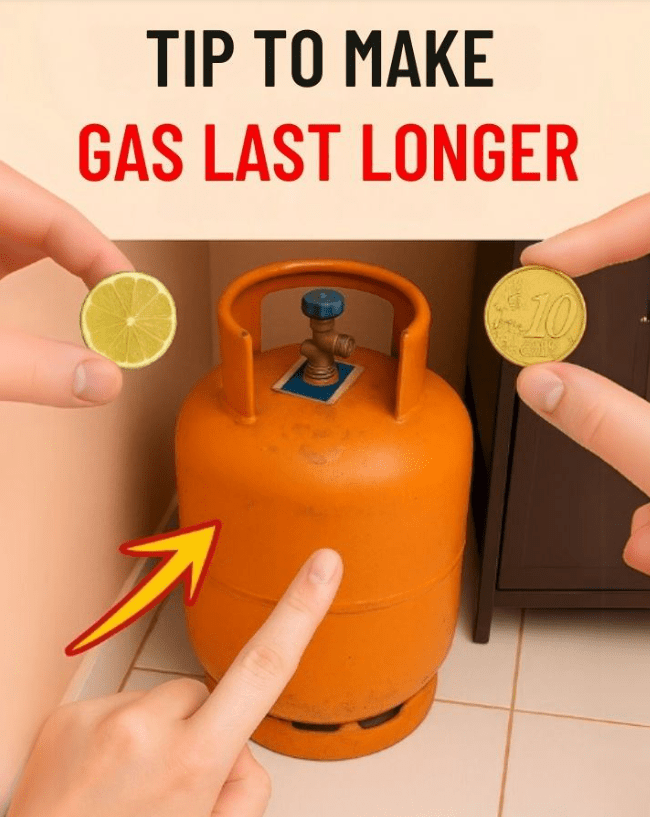
Making gas last longer at home doesn’t require drastic lifestyle changes or expensive equipment. It’s about developing smart habits and being mindful of how you use this valuable resource. By implementing even a few of these tricks, you’ll notice your gas cylinder lasting weeks longer than before.
Remember, the goal isn’t just to save money—though that’s certainly a nice benefit. It’s about being more efficient, reducing waste, and developing sustainable cooking habits that benefit both your wallet and the environment. Start with one or two tips that seem easiest to implement, and gradually incorporate more as they become second nature.
Your future self (and your budget) will thank you! 🎉
