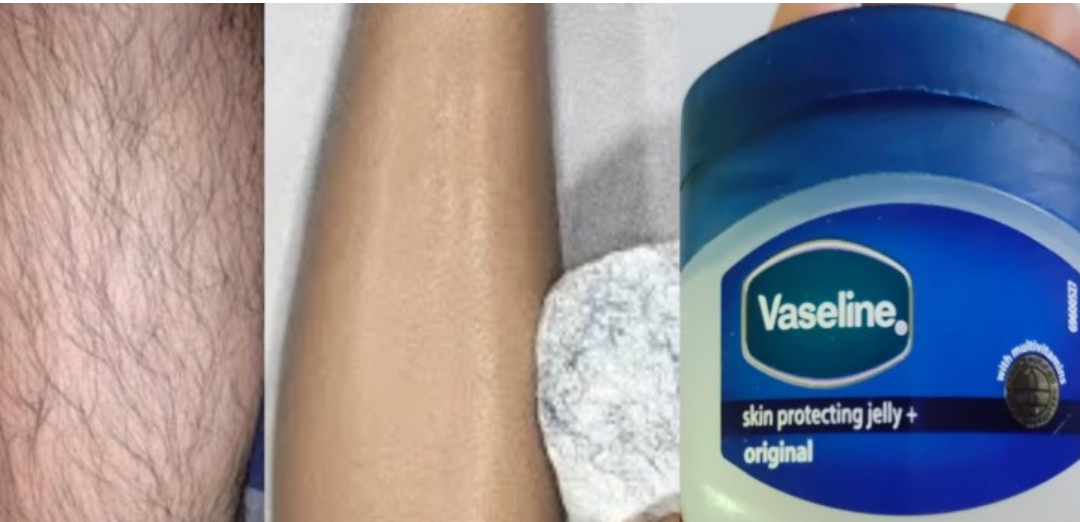
Learning how to get rid of leg hair without shaving can be a game-changer for anyone tired of constant razor burns, ingrown hairs, or the hassle of daily maintenance. While the market is flooded with expensive hair removal products, many people are turning to simpler, more affordable solutions using ingredients they can find at home. This comprehensive guide explores a popular natural method that has gained attention for its gentleness and accessibility.
Table of Contents
Understanding the Challenge of Unwanted Leg Hair
Dealing with unwanted leg hair is a universal concern that affects people of all ages and backgrounds. Traditional shaving, while quick and convenient, comes with its own set of problems. Razor bumps, cuts, irritation, and the frustration of stubble appearing within hours are all too familiar to anyone who relies on a razor.
The quest for smoother legs has led many to explore alternative methods that promise longer-lasting results without the drawbacks of shaving. From waxing and threading to laser treatments and depilatory creams, the options seem endless. However, not everyone wants to invest in expensive salon treatments or use chemical-laden products on their skin.
This is where natural alternatives come into play, offering a middle ground between harsh chemicals and the temporary fix of shaving.
The Natural Approach: What You Need to Know
Before diving into any hair removal method, it’s crucial to understand what you’re working with and set realistic expectations. Natural hair removal alternatives typically work more gradually than shaving or waxing, but they can offer benefits that make the patience worthwhile.
The Role of Natural Ingredients
Natural ingredients have been used for centuries across different cultures for various beauty purposes, including hair removal. The appeal lies in their accessibility, lower cost, and generally gentler nature compared to chemical alternatives.
However, it’s essential to approach any DIY beauty treatment with a healthy dose of caution and realistic expectations. Not all natural methods work the same way for everyone, and individual results can vary significantly based on factors like hair thickness, skin sensitivity, and consistency of application.
The Baby Oil and Alum Method Explained
One method that has circulated in beauty communities involves combining two simple ingredients: Johnson’s baby oil and alum powder. Let’s break down what each ingredient brings to the table and examine this approach more closely.
What Is Baby Oil?
Baby oil is a mineral oil-based product designed to moisturize and protect delicate skin. It’s been a bathroom staple for decades, primarily used to keep baby’s skin soft and prevent diaper rash. The oil creates a barrier on the skin that locks in moisture and provides a smooth, silky texture.
In beauty routines, baby oil is often used as a makeup remover, moisturizer, and massage oil. Its ability to soften and condition makes it a popular choice for various DIY beauty treatments.
Understanding Alum Powder
Alum, also known as potassium alum, is a naturally occurring mineral compound that has been used for centuries in various applications. Traditionally, it’s been used as an aftershave to soothe skin and stop minor bleeding from cuts. In some cultures, it’s also been incorporated into skincare routines for its astringent properties.
Alum has a tightening effect on the skin and is believed by some to help minimize pores. It’s also been used in some traditional hair removal practices, though the scientific evidence supporting its effectiveness for this purpose is limited.
Ingredients You Will Need
If you’re interested in trying this method, here’s what you’ll need to prepare:
- 2 tablespoons of Johnson’s baby oil
- 2 tablespoons of alum powder
You’ll also want to have on hand a clean mixing bowl, a spoon for stirring, and a clean cloth or cotton pads for application.
Setting Realistic Expectations
Before we proceed with instructions, it’s important to have an honest conversation about what this method can and cannot do. While this mixture has been shared across various beauty platforms and social media, there’s limited scientific evidence to support its effectiveness as a permanent or even semi-permanent hair removal solution.
Hair removal fundamentally requires either physically removing the hair from the root (like waxing or threading), destroying the hair follicle (like laser treatment), or chemically dissolving the hair (like depilatory creams). A mixture of baby oil and alum powder doesn’t fall into any of these categories in a way that would permanently remove hair.
What this treatment might do is temporarily soften hair, potentially make it less noticeable, and provide moisturization to the skin. Some users report that with very consistent use over an extended period, their hair appears finer or grows back more slowly, though these results are anecdotal and not scientifically verified.
How to Prepare the Mixture
If you decide to try this method, proper preparation is key to getting the best possible results.
Step One: Gather Your Ingredients
Make sure you’re using fresh alum powder that hasn’t been exposed to moisture, as this can affect its properties. Your baby oil should be clean and within its expiration date.
Step Two: Mix Thoroughly
In a clean bowl, combine the two tablespoons of baby oil with the two tablespoons of alum powder. Stir continuously until you achieve a smooth, consistent paste. The mixture should be well-blended without any dry clumps of alum powder remaining.
The consistency should be spreadable but not too runny. If it’s too thick, you can add a few more drops of baby oil. If it’s too thin, add a small amount more alum powder.
Step Three: Test First
Before applying this mixture to your entire leg, always perform a patch test. Apply a small amount to a discreet area of your leg and wait twenty-four hours to check for any adverse reactions.
Application Instructions
Once you’ve done your patch test and confirmed no irritation, you can proceed with full application.
Prepare Your Skin
Start with clean, dry legs. Exfoliate gently beforehand to remove dead skin cells and allow better contact with the hair. Make sure your skin is completely dry before applying the mixture, as moisture can dilute the product and reduce its effectiveness.
Apply the Mixture
Using your fingers or a clean spatula, apply a thin layer of the mixture to your legs in the direction of hair growth. Cover all areas where you want to address unwanted hair, but avoid applying too thickly.
Allow Time to Work
Let the mixture sit on your skin for approximately fifteen to twenty minutes. You might feel a slight tingling sensation, which is normal due to the astringent properties of alum. However, if you experience burning, severe itching, or significant discomfort, remove the mixture immediately.
Remove Gently
After the appropriate time has passed, wipe away the mixture using a damp cloth. Use gentle circular motions, which can help with mild exfoliation. Follow up by rinsing your legs thoroughly with lukewarm water.
Moisturize
After removal and rinsing, pat your legs dry and apply a gentle, fragrance-free moisturizer to keep your skin hydrated and comfortable.
Frequency and Consistency
For those who choose to try this method, consistency is often cited as key. Proponents of this treatment typically recommend applying it two to three times per week for several weeks to see any potential results.
However, it’s crucial to monitor your skin’s response. If you notice any irritation, dryness, or adverse effects, reduce the frequency or discontinue use altogether.
Important Safety Considerations
While both baby oil and alum are generally considered safe for topical use, there are important safety factors to keep in mind.
Potential Skin Reactions
Alum can be drying and may cause irritation in people with sensitive skin. Some individuals may experience redness, itching, or a rash. If you have sensitive skin, eczema, psoriasis, or other skin conditions, consult with a dermatologist before trying this method.
Not for Broken Skin
Never apply this mixture to broken skin, cuts, scratches, or irritated areas. Wait until your skin has fully healed before attempting any hair removal treatment.
Sun Sensitivity
After using any exfoliating or potentially irritating treatment, your skin may be more sensitive to sun exposure. Always apply sunscreen if you’ll be spending time outdoors after treatment.
Internal Use Warning
Alum powder should never be ingested in large quantities. Keep the mixture away from your mouth, eyes, and mucous membranes. Store it safely away from children and pets.
What the Science Says
It’s important to address the scientific reality of this method honestly. There is no peer-reviewed scientific research demonstrating that a combination of baby oil and alum powder can effectively remove hair or prevent its regrowth.
Hair growth is determined by hair follicles beneath the skin’s surface. For hair removal to be truly effective, the treatment must either physically remove the hair from the follicle, destroy the follicle itself, or interfere with the hair’s protein structure to dissolve it.
Baby oil is an emollient that conditions the skin but has no known hair removal properties. Alum has astringent properties and has been used traditionally in post-shave treatments, but there’s no scientific evidence that it can remove hair or prevent its growth when applied topically in this manner.
Alternative Methods Worth Considering
If you’re serious about reducing leg hair without shaving, you might want to explore these proven alternatives:
Waxing
Though it involves temporary discomfort, waxing removes hair from the root and can provide smooth skin for three to six weeks. Results last significantly longer than shaving.
Sugaring
Similar to waxing but uses a natural sugar-based paste, this method is often gentler on sensitive skin and also removes hair from the root.
Epilators
These electronic devices mechanically remove hair from the root. While initially uncomfortable, many users find that hair grows back finer and sparser over time.
Laser Hair Removal
For those seeking long-term reduction, professional laser treatments target hair follicles and can significantly reduce hair growth after several sessions. This is the most expensive option but offers the longest-lasting results.
Depilatory Creams
Chemical hair removal creams dissolve hair at the surface. They’re painless and provide smoother results than shaving, though results only last slightly longer.
Managing Expectations and Making Informed Choices
The beauty industry is filled with quick fixes and miracle solutions that promise dramatic results with minimal effort. While natural remedies have their place in skincare routines, it’s essential to approach them with realistic expectations and a critical eye.
The baby oil and alum method might provide some benefits in terms of skin conditioning and temporary hair softening, but it’s unlikely to serve as a true hair removal solution comparable to established methods like waxing, epilating, or laser treatment.
If you’re frustrated with shaving and looking for alternatives, consider what matters most to you: cost, convenience, pain level, duration of results, or long-term effectiveness. Different methods excel in different areas, and the best choice depends on your individual priorities, budget, and pain tolerance.
Caring for Your Legs Long-Term
Regardless of which hair removal method you choose, maintaining healthy skin should be your top priority. Here are some universal tips for keeping your legs looking and feeling their best:
Keep your skin well-hydrated by drinking plenty of water and using a good moisturizer daily. Exfoliate regularly to prevent ingrown hairs and keep skin smooth. Always protect your legs from sun damage with broad-spectrum sunscreen. Maintain a healthy diet rich in vitamins and minerals that support skin health.
Consider giving your skin breaks between hair removal treatments to allow it to recover and regenerate. This is especially important if you’re using methods that can be harsh or irritating.
The Bottom Line
When it comes to how to get rid of leg hair without shaving, the baby oil and alum method represents one of many approaches people have tried in their search for smooth, hair-free legs. While it’s unlikely to provide dramatic or permanent hair removal results based on what we know about hair growth and removal science, some individuals may appreciate its moisturizing benefits and find it makes their leg hair temporarily less noticeable.
If you decide to try this method, do so with realistic expectations, always prioritize skin safety, and be prepared to explore other options if you’re not satisfied with the results. Remember that everyone’s skin and hair are different, and what works wonderfully for one person might not work for another.
Most importantly, don’t let the pursuit of smooth legs compromise your skin’s health or your peace of mind. Whether you choose to shave, wax, use natural methods, or embrace your natural hair, the choice should be yours alone, based on what makes you feel comfortable and confident in your own skin.
