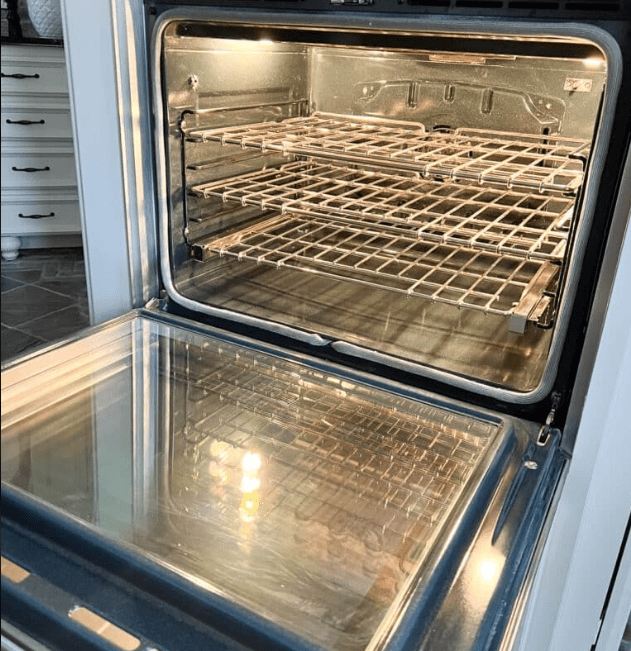
Step One: Remove Everything Removable
Pull out the oven racks, thermometer, and any other removable components. This gives you clear access to all interior surfaces and prevents you from accidentally damaging these items during cleaning. Place the racks in your sink or bathtub for separate cleaning.
Step Two: Create Your Cleaning Paste
Mix half a cup of baking soda with three tablespoons of water in a bowl. Adjust the consistency until you have a spreadable paste that’s not too runny. Baking soda is mildly abrasive and alkaline, making it perfect for breaking down baked-on grease without scratching your oven’s surfaces.
Step Three: Apply and Wait
Spread the paste throughout your oven’s interior, focusing on greasy spots and stained areas. Avoid the heating elements if you have an electric oven. The paste might turn brown as it reacts with the grime—that’s exactly what you want. Let it sit for at least 15 to 20 minutes. For extremely dirty ovens, leaving it overnight yields even better results, though this extends beyond our “minutes” promise for the actual cleaning portion.
Step Four: The Vinegar Magic
Fill your spray bottle with white vinegar and spritz it over the baking soda paste. You’ll see it foam and fizz—this chemical reaction helps lift the grime away from the oven surfaces. The combination of alkaline baking soda and acidic vinegar creates a powerful yet gentle cleaning action.
Step Five: Wipe It All Away
Using a damp microfiber cloth, wipe down all surfaces where you applied the paste. The grime should come off easily now. For stubborn spots, use your plastic scraper to gently lift away any remaining residue. Keep a bowl of warm water nearby to rinse your cloth frequently.
Tackling Those Oven Racks
While your oven interior is soaking, give those racks the attention they deserve. Fill your bathtub with hot water and add a quarter cup of dish soap. Submerge the racks and let them soak for 30 minutes. The hot, soapy water loosens baked-on food and grease. After soaking, scrub them with a non-abrasive sponge, rinse thoroughly, and dry completely before returning them to the oven.
If you don’t want to use your bathtub, lay the racks on old towels in your yard or large utility sink and use the same soaking method.
Don’t Forget the Oven Door
The oven door often gets overlooked, yet it’s one of the most visible parts of your appliance. The good news is that cleaning it takes just minutes.
Cleaning Between the Glass Panes
Many oven doors have double or triple glass panels with grime trapped between them. If yours does, check your owner’s manual for disassembly instructions. Usually, there are screws at the top of the door that allow you to separate the panels. Once apart, wipe each glass surface with a vinegar solution, then reassemble.
Exterior Door Cleaning
For the outside of the door, mix equal parts vinegar and water in a spray bottle. Spray the surface and wipe with a microfiber cloth. For stainless steel doors, wipe in the direction of the grain to avoid streaks. A tiny drop of olive oil on a clean cloth can add extra shine to stainless steel surfaces.
The Self-Cleaning Function: Friend or Foe?
Modern ovens often include a self-cleaning feature that uses extremely high temperatures to incinerate food residue. While convenient, this method has drawbacks worth considering.
When to Use Self-Cleaning
The self-cleaning cycle works well for light to moderate buildup and can save you some elbow grease. However, it locks your oven for several hours, heats your kitchen significantly, and can produce unpleasant odors. It’s also harder on your oven’s components than manual cleaning.
When to Skip It
Avoid the self-cleaning function if you have heavy grease buildup, as this can create excessive smoke or even small fires. It’s also not recommended for older ovens, as the extreme heat can damage aging components. Pets, particularly birds, are sensitive to the fumes produced during self-cleaning cycles, so remove them from your home if you use this feature.
Quick Daily Habits to Keep Your Oven Clean
The easiest oven to clean is one that never gets too dirty in the first place. Incorporating these simple habits into your cooking routine will keep your oven looking newer for longer.
Wipe Spills Immediately
When your oven is still warm (but safe to touch), quickly wipe up any spills with a damp cloth. Fresh spills come off effortlessly, but once they bake on during subsequent cooking sessions, they become much harder to remove.
Use Oven Liners
Placing a reusable oven liner or sheet of aluminum foil on the bottom rack catches drips before they hit the oven floor. Just ensure you don’t cover any vents or heating elements, as this can interfere with your oven’s operation.
Cover Dishes That Might Bubble Over
When baking casseroles, pies, or anything likely to bubble, place them on a baking sheet. This simple step contains messes and protects your oven from spills.
Natural Alternatives to Commercial Cleaners
If you prefer to avoid commercial oven cleaners entirely, several natural alternatives deliver impressive results without harsh chemicals.
The Lemon Steam Method
Cut two lemons in half and place them in an oven-safe dish filled with water. Heat your oven to 250°F and let the lemons steam for about 30 minutes. The acidic vapor loosens grime, making it easy to wipe away. Your kitchen will smell amazing too.
Salt for Fresh Spills
If something spills while you’re cooking, immediately sprinkle salt over it. The salt absorbs the liquid and prevents it from baking onto the surface. Once your oven cools, you can simply brush away the salt and any absorbed spill.
Addressing Common Oven Cleaning Challenges
Even with the best techniques, some situations require special approaches.
Dealing with Extreme Buildup
For ovens that haven’t been cleaned in years, you might need to repeat the baking soda paste method several times. Be patient—trying to scrape off thick, carbonized buildup too aggressively can damage your oven’s coating. Multiple gentle treatments work better than one harsh scrubbing session.
Removing Stubborn Odors
Sometimes cleaned ovens retain cooking odors. Place a bowl of white vinegar or fresh coffee grounds in the oven overnight to absorb lingering smells. Running your oven at 400°F for 30 minutes with a pan of water and lemon slices also helps neutralize odors.
Cleaning Oven Knobs and Controls
Remove knobs if possible and wash them in warm, soapy water. For control panels, use a barely damp cloth to avoid getting moisture into the electronics. A cotton swab dipped in vinegar works perfectly for getting into crevices around buttons.
Special Considerations for Different Oven Types
Not all ovens are created equal, and cleaning approaches should vary accordingly.
Convection Ovens
Convection ovens have fans that circulate air, and these fans need attention too. After cleaning the main cavity, use a damp cloth to wipe the fan cover carefully. Never spray liquid directly onto the fan area.
Gas Ovens
When cleaning gas ovens, take extra care around the gas ports at the bottom. These small holes allow gas to flow, and blocking them with cleaning residue can affect your oven’s performance. Use a toothpick to gently clear any debris from these openings.
Continuous-Cleaning Ovens
Some ovens have a special coating designed to reduce buildup at normal cooking temperatures. These surfaces are delicate—never use abrasive cleaners or scrubbers on them. Stick to gentle wiping with a damp cloth and mild dish soap.
How Often Should You Clean Your Oven?
The ideal cleaning frequency depends on how often you use your oven and what you cook.
Light Users
If you bake or roast once or twice a week, a thorough cleaning every three to four months suffices, with spot cleaning as needed.
Heavy Users
Daily oven users should perform a deep clean monthly. Regular maintenance prevents buildup from becoming unmanageable and keeps your oven performing optimally.
The Visible Test
A simple rule of thumb: if you can see residue on the oven floor or sides, or if you notice smoke or odors when preheating an empty oven, it’s time to clean.
Safety Precautions You Can’t Ignore
Oven cleaning is generally safe, but a few precautions protect both you and your appliance.
Ventilation is Essential
Always clean your oven in a well-ventilated area. Open windows and turn on exhaust fans, especially if using commercial cleaners. Even natural methods like vinegar produce strong vapors that can be overwhelming in enclosed spaces.
Protect Your Skin
Wear rubber gloves when cleaning, as prolonged exposure to cleaning solutions—even natural ones—can irritate your skin. If using commercial cleaners, consider wearing long sleeves as well.
Check Your Manual
Before trying any cleaning method, consult your oven’s manual. Some manufacturers have specific recommendations or warnings about certain cleaning products or techniques that could void your warranty.
The Final Touches for a Showroom Shine
Once you’ve finished cleaning, a few finishing touches will make your oven look truly brand new.
Polish Stainless Steel Surfaces
If your oven has stainless steel trim or a stainless door, apply a stainless steel polish or a small amount of mineral oil on a microfiber cloth. Buff in the direction of the grain for a streak-free, professional shine.
Clean the Area Around Your Oven
Don’t forget the sides, top, and backsplash area around your oven. These surfaces collect cooking grease and dust but are often overlooked. A quick wipe with an all-purpose cleaner completes the transformation.
Replace the Oven Light Bulb
If your oven light is dim or burned out, replace it. A bright light makes your clean oven look even more impressive and helps you monitor cooking without opening the door.
Your Path to a Sparkling Oven
Learning how to clean your oven in minutes and make it look brand new comes down to using the right techniques and maintaining consistency. The baking soda and vinegar method offers a safe, effective approach that works for most ovens without harsh chemicals or excessive scrubbing. By incorporating quick daily maintenance habits and performing regular deep cleans, you’ll keep your oven looking pristine without making it an all-day project.
Remember, a clean oven isn’t just about appearances—it’s about better-tasting food, safer cooking, and an appliance that lasts years longer. With these strategies in your arsenal, you’ll never dread oven cleaning day again. Your sparkling, like-new oven awaits, and it’s just minutes of work away.
