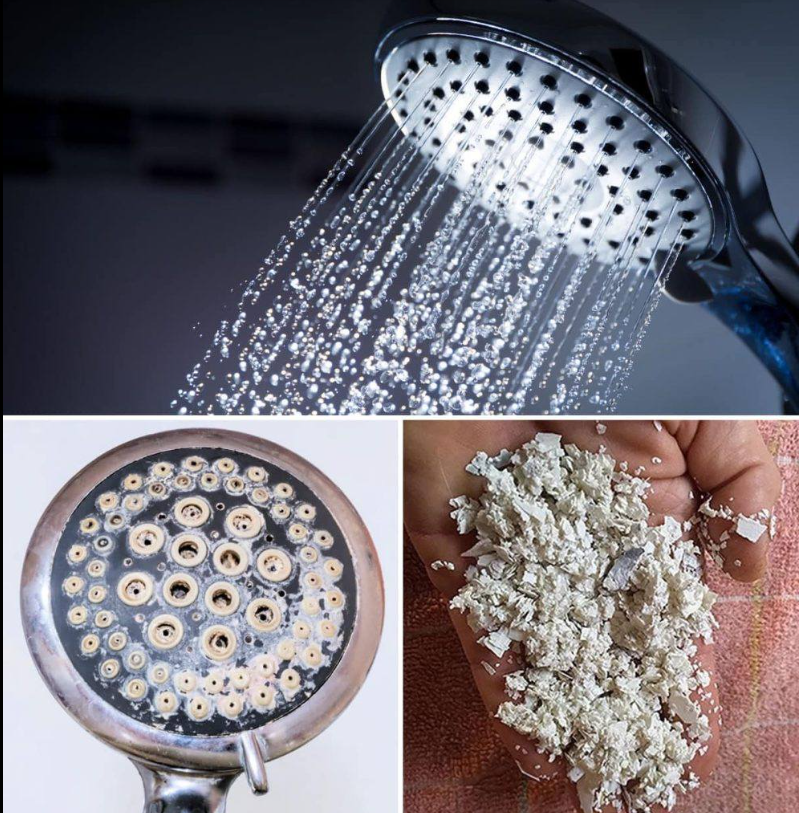
If you’ve noticed your shower has become less satisfying lately, with water trickling out instead of flowing strong and steady, you’re not alone. Learning how to clean a shower head to increase water pressure is one of the simplest home maintenance tasks that can dramatically improve your daily routine. Over time, mineral deposits from hard water build up inside the nozzles, restricting flow and leaving you with a disappointing shower experience. The good news? You can restore your shower head to like-new condition using common household items in just a few hours. 💧
A clogged shower head doesn’t just affect water pressure—it can also harbor bacteria and waste water as your shower works harder to compensate for the blockage. Whether you’re dealing with limescale, calcium deposits, or general grime, this guide will walk you through everything you need to know to get your shower flowing beautifully again.
Table of Contents
Why Shower Heads Lose Water Pressure
Before diving into the cleaning process, it’s helpful to understand what’s happening inside your shower head. Hard water contains dissolved minerals like calcium and magnesium that leave behind deposits as water evaporates. These deposits, commonly called limescale or mineral buildup, accumulate around and inside the nozzles, gradually narrowing the openings where water flows through.
You might notice white, crusty formations on the face of your shower head or discover that water sprays in odd directions instead of straight down. These are telltale signs that mineral deposits have taken hold. The severity of buildup depends on your water hardness and how long it’s been since your last cleaning. In areas with particularly hard water, shower heads may need cleaning every few months to maintain optimal performance.
Simple Vinegar Soak Method
The most effective and budget-friendly way to clean your shower head involves white vinegar, which naturally dissolves mineral deposits without harsh chemicals. Start by removing your shower head from the pipe—most simply twist off counterclockwise, though you may need adjustable pliers for stubborn connections. Wrap the pliers with a cloth to avoid scratching the finish.
Fill a bowl or bucket large enough to submerge the shower head with white vinegar. Place the shower head in the vinegar and let it soak for at least 30 minutes, though heavily clogged heads benefit from a 2-3 hour soak or even overnight. The acidic vinegar works to break down calcium and limescale deposits during this time. ✨
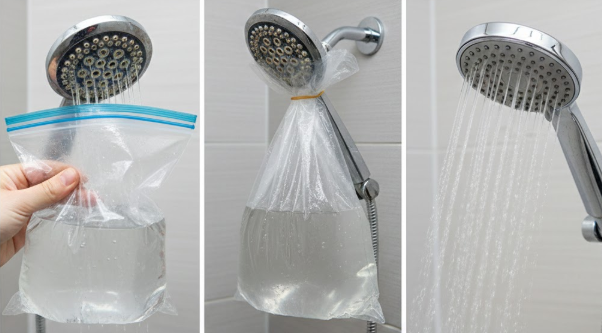
For shower heads that don’t easily detach, you can use a plastic bag filled with vinegar. Secure the bag around the shower head with a rubber band or twist tie, ensuring the nozzles are fully submerged in vinegar. This hands-off approach works beautifully for fixed shower heads.
Scrubbing and Rinsing for Maximum Results
After soaking, you’ll notice the water is cloudy—that’s dissolved mineral deposits. Remove the shower head from the vinegar and use an old toothbrush to scrub away any remaining buildup, paying special attention to the nozzle openings. For stubborn deposits stuck inside individual holes, a toothpick or paper clip works wonders to dislodge them gently.
Rinse the shower head thoroughly under running water, flushing water through the system to remove loosened debris. If your shower head has a removable faceplate or filter screen, take it apart and clean these components separately. Many people are surprised to find significant buildup hiding in these areas.
Before reattaching, run water through the shower arm briefly to flush out any mineral deposits that may have accumulated in the pipe itself. Then screw your clean shower head back into place, hand-tightening first and giving it an extra quarter turn with pliers if needed. Turn on the water and enjoy the satisfying sight of strong, even water pressure restored! 🚿
Alternative Cleaning Solutions and Prevention Tips
While vinegar is the gold standard for shower head cleaning, baking soda can boost its effectiveness for extremely stubborn buildup. Create a paste with baking soda and a small amount of vinegar, apply it to the shower head surface, let it sit for 15 minutes, then scrub and rinse. The combination creates a gentle abrasive action that tackles tough deposits.
For those who prefer commercial cleaners, look for products specifically designed to remove limescale and calcium. Always follow manufacturer instructions and ensure proper ventilation when using chemical cleaners.
Prevention is easier than deep cleaning. Wipe down your shower head after each use to prevent mineral deposits from hardening, and consider installing a water softener if you live in an area with very hard water. Regular monthly quick-cleans with vinegar spray can prevent major buildup from forming, keeping your water pressure consistently strong. 🛁
Enjoying Your Revitalized Shower
Cleaning your shower head is a small investment of time that pays dividends in comfort and water efficiency. Most people are amazed at the difference proper cleaning makes—what seemed like a plumbing problem requiring a professional often turns out to be a simple maintenance issue you can handle yourself. By making shower head cleaning part of your regular home care routine, you’ll maintain excellent water pressure, extend the life of your fixture, and enjoy better showers every single day.
Have you tried cleaning your shower head yet, or do you have a favorite method that works particularly well? Share your experience in the comments below!
