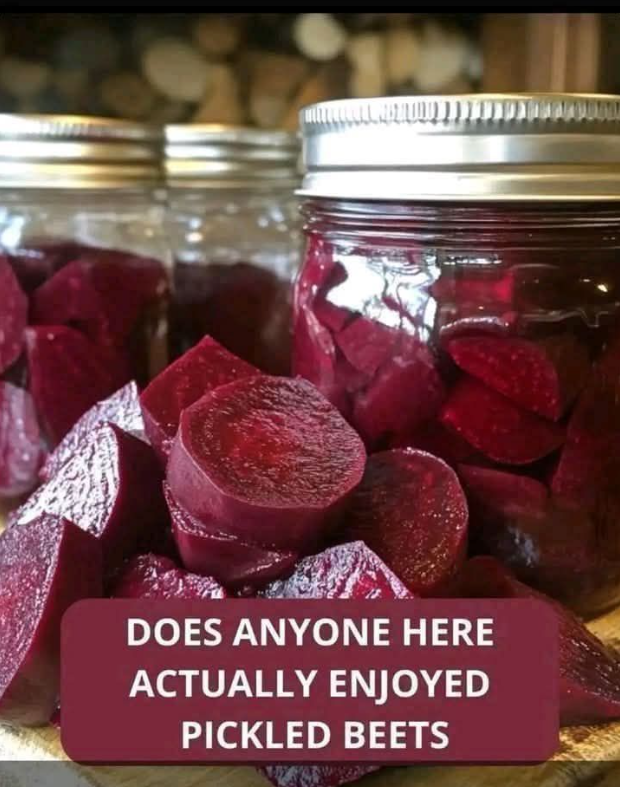
Homemade Pickled Beets Recipe is one of those classic, underrated condiments that deserves a spot in every pantry. If the thought of a jar full of vibrant, ruby-red beets soaking in a sweet and vinegary brine makes you hungry, you’re in the right place! Forget the mushy, overly sweet store-bought versions. Making them yourself allows you to control the crunch, the sweetness, and the spice, transforming humble root vegetables into a delicious, tangy side dish or sandwich topper that truly shines. 💖
Table of Contents
Why Pickling Beets is a Culinary Must-Do
Pickling is an ancient preservation method that not only extends the shelf life of food but also dramatically enhances its flavor profile. Beets are particularly well-suited for pickling because their earthy sweetness provides a perfect counterpoint to the sharp acidity of vinegar. When submerged in a hot, seasoned brine, the beets undergo a chemical transformation that balances their natural flavor, resulting in that delightful sweet-and-sour taste. Plus, working with the intensely pigmented beetroots gives you the satisfaction of creating something visually stunning. The deep crimson color that permeates the brine is simply beautiful!
Essential Ingredients for Your Batch
This recipe uses a simple, clean, and classic brine formula that ensures a crisp texture and a bright flavor. This is what you’ll need:
Ingredients
- For the Beets:
- 3 lbs fresh beets (about 6–8 medium), tops trimmed
- For the Brine:
- 2 cups white vinegar (5% acidity)
- 1 cup water
- 1 cup granulated sugar (adjust to your preference)
- 1 teaspoon salt (kosher or canning salt)
- 1 teaspoon whole cloves
- 2 cinnamon sticks
- 1 bay leaf
Factual Note: The vinegar-to-water ratio is critical for safe preservation. A 2:1 ratio of vinegar to water (plus the sugar) is a reliable starting point for a high-acid pickle.
Step-by-Step Preparation: Getting that Perfect Crunch
Achieving the right texture and ensuring a safe, long-lasting product is easy if you follow these steps carefully.
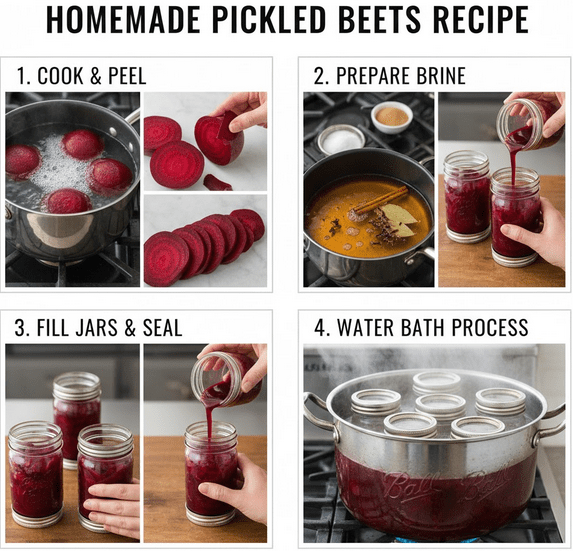
Step 1: Cook and Peel the Beets
Start by thoroughly washing your fresh beets, leaving about an inch of the stem attached to prevent ‘bleeding’ of the color. Place them in a large pot and cover with water. Bring to a boil, then reduce heat and simmer until they are fork-tender, which usually takes about 30 to 45 minutes, depending on the size. Once cooked, drain the water. When they are cool enough to handle, the skins should slip right off with a gentle rub. Slice the beets into half-inch rounds or quarters, depending on your preference. Place the sliced beets into sterilized pint-sized canning jars, leaving about a half-inch headspace.
Step 2: Prepare the Brine
In a non-reactive saucepan, combine the white vinegar, water, sugar, salt, cloves, cinnamon sticks, and bay leaf. Bring the mixture to a boil over medium-high heat, stirring until the sugar and salt are completely dissolved. Reduce the heat and let the brine simmer gently for about 5 minutes to allow the spices to infuse the liquid. The aroma is wonderful! 👃
Step 3: Fill the Jars and Seal
Carefully pour the hot brine over the sliced beets in the jars. Make sure the liquid completely covers the beets, still leaving the half-inch headspace. Use a non-metallic utensil (like a wooden chopstick) to gently remove any air bubbles trapped between the beet pieces. Wipe the rims of the jars clean with a damp cloth, place the lids on, and secure the screw bands fingertip tight.
Step 4: Process (For Shelf-Stable Pickles)
If you plan to store these at room temperature, you must process them. Place the filled jars in a water bath canner filled with simmering water, ensuring the water covers the jar tops by at least an inch. Bring the water to a full, rolling boil and process the pint jars for 10 minutes. Turn off the heat and let the jars sit for 5 minutes before carefully removing them. Place them on a wire rack to cool completely. You should hear the satisfying pop of the lids sealing! If you prefer refrigerator pickles, skip this step and refrigerate the jars once cooled; they will last several weeks.