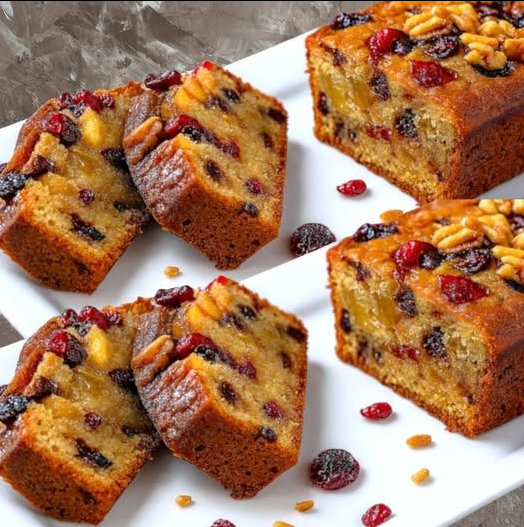
Ingredients
- 2 cups almond flour (or all-purpose flour for non-low-carb version)
- 1 cup granulated erythritol-monk fruit blend
- 1/2 cup coconut flour
- 2 teaspoons baking powder
- 1/2 teaspoon salt
- 4 large eggs, room temperature
- 1/2 cup Greek yogurt (full-fat for best moisture)
- 1/2 cup melted coconut oil or butter
- 1/2 cup unsweetened almond milk
- 2 teaspoons vanilla extract
- 1 teaspoon apple cider vinegar
Preparation Instructions
Preheat your oven to 350°F (175°C). Grease a 9-inch round cake pan or 8×8-inch square pan thoroughly, then line the bottom with parchment paper. This double insurance prevents sticking.
In a large bowl, whisk together the almond flour, coconut flour, sweetener, baking powder, and salt. Break up any lumps in the almond flour—this is important for even texture.
In a separate bowl, whisk the eggs until slightly frothy. Add the Greek yogurt, melted coconut oil, almond milk, vanilla, and apple cider vinegar. Whisk until smooth and well combined.
Pour the wet ingredients into the dry ingredients. Fold gently with a spatula just until no dry streaks remain. Don’t overmix—this develops gluten and creates tough cake. The batter will be thicker than traditional cake batter.
Pour the batter into your prepared pan and smooth the top. Tap the pan gently on the counter a few times to release air bubbles.
Bake for 30-35 minutes, until the top is golden brown and a toothpick inserted in the center comes out with just a few moist crumbs. The cake should spring back when lightly pressed.
Let the cake cool in the pan for 15 minutes, then turn out onto a wire rack to cool completely. Sugar-free cakes can be fragile when warm, so patience here prevents breakage.
The Secret Techniques for Maximum Moisture
These strategies ensure your sugar-free cake stays moist and tender, not dry and crumbly.
The Greek Yogurt Advantage
Greek yogurt is a moisture miracle in sugar-free baking. Its fat content provides richness, its protein contributes to structure, and its acidity activates baking soda and powder more effectively.
Full-fat Greek yogurt works better than low-fat versions. The extra fat creates a more tender crumb and richer flavor. If you don’t have Greek yogurt, sour cream is an excellent substitute.
Don’t Skip the Acid
That tablespoon of apple cider vinegar or lemon juice might seem odd, but it’s crucial. The acid reacts with baking powder to create extra lift, resulting in a lighter texture.
Acid also helps sugar substitutes taste sweeter, meaning you can use less and still achieve satisfying sweetness. This is particularly helpful with substitutes that have any aftertaste.
Room Temperature Matters
Cold ingredients don’t emulsify properly, leading to dense cake. Take your eggs, yogurt, and any dairy out of the refrigerator 30-60 minutes before baking.
If you forget, you can warm eggs by placing them in a bowl of warm water for 5 minutes. Microwave yogurt or milk for just 10-15 seconds to take off the chill.
The Coconut Flour Addition
Even if you’re using primarily almond flour, adding a small amount of coconut flour helps absorb excess moisture and creates better structure. Coconut flour is incredibly absorbent—a little goes a long way.
Too much coconut flour makes cakes dry and dense, so stick to the ratio in the recipe. The combination of almond and coconut flour balances moisture absorption with tenderness.
Flavor Variations That Keep Things Exciting
Once you’ve mastered the base recipe, these variations prevent sugar-free cake fatigue.
Chocolate Lover’s Dream
Replace 1/2 cup of the almond flour with unsweetened cocoa powder. Add an extra 2 tablespoons of almond milk to compensate for cocoa’s drying effect. Include 1/2 cup of sugar-free chocolate chips for extra indulgence.
A teaspoon of instant espresso powder intensifies the chocolate flavor without making the cake taste like coffee.
Lemon Blueberry Delight
Add the zest of two lemons to the batter for bright citrus flavor. Fold in 1 cup of fresh or frozen blueberries (if using frozen, don’t thaw them first—they’ll bleed less).
Replace the vanilla with 1 teaspoon of lemon extract for even more citrus punch. A sugar-free lemon glaze made with powdered erythritol and lemon juice makes this cake truly special.
Cinnamon Spice Warmth
Add 2 teaspoons of cinnamon, 1/2 teaspoon of nutmeg, and 1/4 teaspoon of cloves to the dry ingredients. Fold in 1/2 cup of chopped walnuts or pecans for texture.
This variation is perfect for fall and winter, especially when served slightly warm with a dollop of sugar-free whipped cream.
Almond Joy Inspired
Use almond extract instead of vanilla. Fold in 1/2 cup of unsweetened shredded coconut and 1/3 cup of sugar-free chocolate chips. Top with a sugar-free chocolate ganache made from sugar-free chocolate and heavy cream.
Toast the coconut first for five minutes in a 350°F oven for deeper flavor and golden color.
Frosting and Topping Options
A cake needs its crown, and sugar-free doesn’t mean you can’t have delicious frostings and toppings.
Cream Cheese Frosting
Beat 8 ounces of softened cream cheese with 1/4 cup of softened butter until fluffy. Add 1/2 cup of powdered erythritol and 1 teaspoon of vanilla. Beat until smooth and spreadable.
This frosting is tangy, creamy, and perfectly sweet. It works on any flavor cake and pipes beautifully if you’re feeling decorative.
Whipped Coconut Cream
Refrigerate a can of full-fat coconut milk overnight. Scoop out the solidified cream (save the liquid for smoothies), and whip it with powdered erythritol and vanilla until fluffy.
This dairy-free option is lighter than traditional frosting and lets the cake flavor shine through. It needs to stay refrigerated but holds up well for several hours at room temperature.
Simple Glaze
Mix powdered erythritol with a small amount of milk, cream, or lemon juice until you reach a pourable consistency. Drizzle over the cooled cake for an elegant finish that adds sweetness without heaviness.
Flavor the glaze with extracts like vanilla, almond, maple, or citrus zest for variety.
Fresh Fruit and Whipped Cream
Sometimes simple is best. A dollop of sugar-free whipped cream (heavy cream whipped with a touch of sweetener) and fresh berries creates a beautiful, light topping that doesn’t overshadow the cake.
This approach works particularly well for breakfast or brunch cakes, where you want something not too sweet or heavy.
Troubleshooting Common Sugar-Free Cake Problems
Even experienced bakers encounter challenges with sugar-free baking. Here’s how to solve the most common issues.
Problem: Dry, Crumbly Texture
This usually means too much flour or not enough fat and moisture. Sugar-free cakes need proportionally more fat and liquid than traditional cakes to compensate for sugar’s moisture-retaining properties.
Make sure you’re measuring flour correctly—spoon it into the measuring cup and level off rather than scooping directly. Increase the yogurt or add an extra egg yolk for more moisture and richness.
Problem: Dense, Heavy Cake
Overmixing develops too much gluten, creating a tough, dense crumb. Mix just until ingredients are combined—some small lumps are fine.
Also check your leavening agents. Baking powder loses potency over time. If yours is more than six months old, it might not provide enough lift. Test it by adding a teaspoon to hot water—it should bubble vigorously.
Problem: Metallic or Bitter Aftertaste
Some people are sensitive to certain sweeteners’ aftertaste, particularly stevia. Try different brands or sweetener combinations. Monk fruit blends generally have the least aftertaste.
Adding a pinch of salt helps mask any off-flavors. Vanilla extract also helps, so don’t skimp—use high-quality pure vanilla for best results.
Problem: Cake Falls in the Middle
This typically indicates the cake wasn’t fully baked, even if it looks done on top. Sugar-free cakes sometimes need a few extra minutes. Use a toothpick test, and make sure it comes out clean or with just a couple of moist crumbs.
Opening the oven door too early can also cause collapse. Wait until at least 25 minutes have passed before checking.
Storage and Make-Ahead Strategies
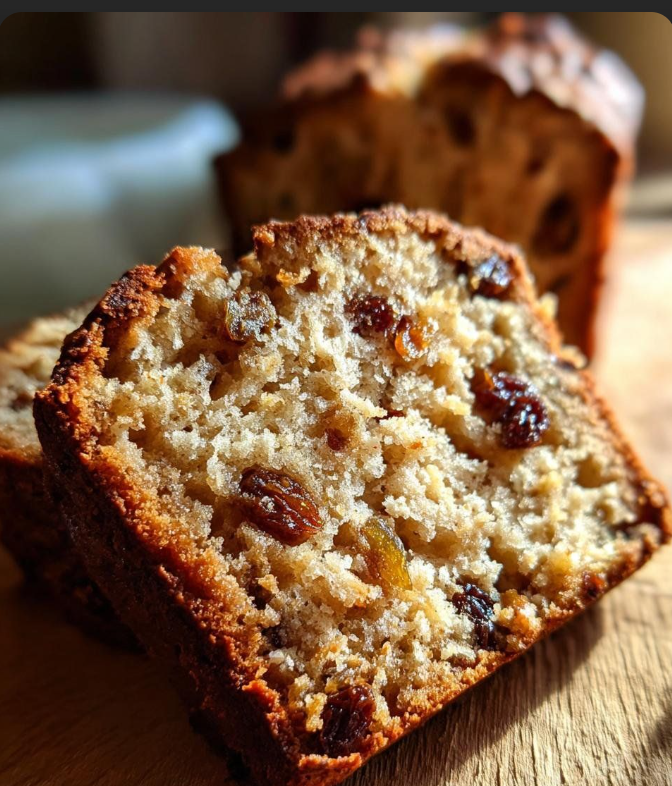
Proper storage keeps your healthy cake tasting fresh for days.
Room Temperature Storage
Sugar-free cakes without frosting can sit at room temperature, covered, for 2-3 days. Use a cake dome or cover tightly with plastic wrap to prevent drying.
If your kitchen is very warm or humid, refrigeration is safer. Condensation can be an issue, so let the cake come to room temperature before serving for best texture.
Refrigeration
Cakes with cream cheese frosting or whipped cream toppings must be refrigerated. Store in an airtight container for up to 5 days.
Let refrigerated cake sit at room temperature for 20-30 minutes before serving. Cold cake isn’t as flavorful or tender as room-temperature cake.
Freezing for Long-Term Storage
Sugar-free cake freezes beautifully for up to 3 months. Wrap individual slices tightly in plastic wrap, then place in a freezer bag. This way you can grab a single serving whenever you want.
Thaw frozen cake in the refrigerator overnight or at room temperature for a few hours. Don’t microwave to speed thawing—it creates uneven texture and can make the cake rubbery.
The Health Benefits Beyond Sugar-Free
This cake offers advantages beyond just eliminating refined sugar.
Blood Sugar Stability
Using sugar substitutes that don’t spike blood glucose means you can enjoy dessert without the energy crash that follows traditional sweets. This is particularly valuable for people with diabetes or insulin resistance.
The protein from eggs and Greek yogurt also helps moderate any blood sugar response, creating more sustained energy.
Reduced Calorie Content
Depending on the sweeteners used, this cake typically has 30-50% fewer calories than traditional cake while being more nutritious. You’re not just removing empty calories—you’re adding beneficial nutrients.
Higher Protein and Healthy Fats
Greek yogurt, eggs, and nut flours provide significant protein compared to traditional cakes made with refined flour. The fats from coconut oil, butter, and almond flour are more satisfying and provide steady energy.
This nutritional profile means the cake actually satisfies you with a smaller portion, unlike sugar-laden desserts that leave you wanting more.
Increased Fiber
Almond flour and coconut flour provide fiber that all-purpose flour lacks. This fiber supports digestive health and contributes to feelings of fullness.
Making Sugar-Free Cake Kid-Friendly
Getting children to accept healthier alternatives requires strategy, not just hope.
Start with Familiar Flavors
Don’t lead with “this is healthy and sugar-free.” Just serve chocolate cake or vanilla cake with sprinkles. Kids often can’t tell the difference if you don’t point it out.
Chocolate versions tend to be most successful because cocoa’s strong flavor masks any subtle differences from traditional cake.
Involve Them in Baking
Children who help make something are more likely to eat it. Let them crack eggs, stir batter, and especially lick the beaters (yes, it’s safe—this recipe doesn’t use wheat flour and you can use pasteurized eggs if concerned).
The pride of having made something themselves often overrides any pickiness about ingredients.
Creative Presentation
Turn cupcakes into monsters with sugar-free frosting and fruit decorations. Cut cake into fun shapes with cookie cutters. Make individual mini cakes that feel special.
Kids eat with their eyes first. An exciting presentation makes healthy options more appealing than boring conventional desserts.
The Economic Reality: Cost Comparison
Let’s be honest—specialty ingredients cost more than conventional ones. But the comparison isn’t as stark as you might think.
Ingredient Investment
Quality sugar substitutes are more expensive than sugar, and almond flour costs more than all-purpose flour. Your initial investment in these ingredients might feel significant.
However, these ingredients last a long time. A bag of erythritol-monk fruit blend that costs $12 will make 8-10 cakes. Per cake, that’s roughly $1.50 for sweetener, compared to about $0.25 for sugar.
Health Cost Savings
Consider the broader financial picture. Managing diabetes, treating obesity-related health issues, and dealing with the effects of high sugar consumption cost far more than a few extra dollars on ingredients.
Prevention is always cheaper than treatment. If sugar-free baking helps you or your family maintain better health, the ingredient cost difference becomes trivial.
Compare to Store-Bought
A single sugar-free, low-carb cake or dessert from a bakery or specialty store costs $15-25. Making your own for about $5-7 in ingredients is actually economical, especially if you’re regularly buying such products.
Your Journey to Better Baking
Healthy & moist sugar-free cake represents more than just a dessert—it’s freedom. Freedom to enjoy sweet treats without guilt, freedom from blood sugar spikes and crashes, freedom to prioritize health without feeling deprived.
The first cake you make might not be perfect. You might need to adjust sweetener amounts to your taste or tweak moisture levels based on your climate and ingredients. That’s completely normal and part of the learning process.
Each cake you bake will teach you something. You’ll develop instincts about batter consistency, learn how your oven behaves, and discover which flavor combinations your family loves most. This knowledge makes you a more confident, capable baker.
Start with the master recipe. Make it a few times until you’re comfortable with the process. Then branch out into variations, experiment with different frostings, and eventually develop your own signature sugar-free creations.
Sugar-free baking isn’t about sacrifice or settling for less. It’s about discovering that with the right knowledge and techniques, you can have cakes that taste incredible while supporting your health goals. That’s not compromise—that’s having your cake and eating it too, in the very best way possible.
