Preparing Your Kitchen
Preheat your oven to 350°F and position the rack in the center. Grease a 9×13-inch baking pan thoroughly with butter, then dust with flour, tapping out any excess. This double protection ensures your cake will release cleanly after baking.
Creating the Perfect Batter
Begin by creaming the softened butter with sugar until the mixture becomes pale and fluffy—this usually takes about four minutes with an electric mixer. This process incorporates air into the butter, which helps create a lighter cake texture.
Add eggs one at a time, beating well after each addition. This gradual incorporation prevents the batter from breaking or curdling. Mix in the lemon zest at this stage, rubbing it between your fingers first to release those precious essential oils.
In a separate bowl, whisk together the flour, baking powder, and salt. In another container, combine the milk and lemon juice. Now comes the important part: add the dry ingredients and wet ingredients alternately to the butter mixture, beginning and ending with the dry ingredients. Mix only until just combined—overmixing develops gluten and creates a tough cake.
Baking to Perfection
Pour the batter into your prepared pan and smooth the top with a spatula. Bake for approximately 30 to 35 minutes, or until a toothpick inserted into the center comes out clean or with just a few moist crumbs. The top should be golden and spring back when lightly pressed.
The Crucial Soaking Step
While the cake bakes, prepare your lemon syrup by heating equal parts lemon juice and sugar until the sugar dissolves completely. The moment your cake emerges from the oven, use a skewer or toothpick to poke holes all over the surface. Slowly brush the warm syrup over the entire cake, allowing it to soak in before adding more. This might feel like an excessive amount of liquid, but trust the process—the cake will absorb it beautifully.
Creating the Signature Glaze
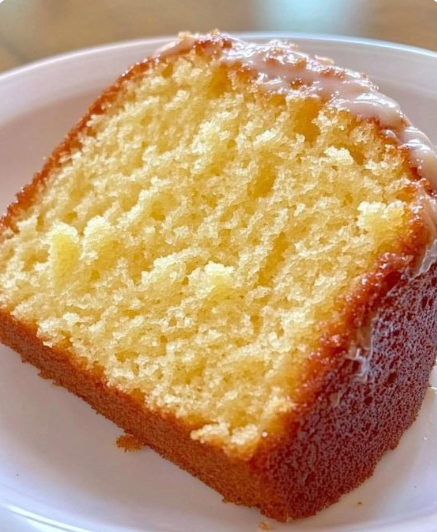
Allow the cake to cool completely before glazing. Mix powdered sugar with fresh lemon juice, adding the juice gradually until you reach the perfect consistency. The glaze should be pourable but not watery. Drizzle it over the cooled cake, using the back of a spoon to encourage even coverage if needed. Sprinkle with additional lemon zest for a professional finish.
Pro Tips for Lemon Cake Success
Zesting Without Bitterness
When zesting lemons, only remove the bright yellow outer layer. The white pith underneath is bitter and will compromise your cake’s flavor. A microplane grater works best for creating fine, evenly distributed zest.
Room Temperature Matters
Cold ingredients don’t blend smoothly, resulting in a dense, uneven cake. Set your eggs, butter, and milk out at least an hour before baking. If you’re in a hurry, place eggs in warm water for five minutes and microwave milk for just 15 seconds.
Testing for Doneness
Oven temperatures vary, so rely on visual and tactile cues rather than time alone. The cake is done when the edges pull slightly away from the pan, the center springs back when touched, and a tester comes out mostly clean.
Serving Suggestions That Elevate the Experience
This lemon cake shines on its own, but certain accompaniments take it to the next level. A dollop of freshly whipped cream provides a lovely contrast to the tangy citrus. Fresh berries, especially blueberries or raspberries, complement the lemon beautifully while adding color to your presentation.
For an elegant dessert, serve thin slices with a berry compote and a dusting of powdered sugar. For casual gatherings, cut generous squares and pair with vanilla ice cream. The contrast between the warm cake and cold ice cream creates an irresistible textural experience.
Storage and Make-Ahead Options
This cake actually improves slightly after a day, as the flavors meld and intensify. Store it covered at room temperature for up to three days, or refrigerate for up to a week. The moisture from the lemon syrup keeps it from drying out, even after several days.
You can freeze unfrosted cake layers for up to three months. Wrap them tightly in plastic wrap, then aluminum foil. Thaw overnight in the refrigerator before glazing and serving. The glaze, however, should always be made fresh for the best appearance and texture.
Why This Recipe Works Every Time
The foolproof nature of this lemon cake comes from its carefully tested ratios and techniques. The combination of baking powder and properly creamed butter provides reliable rise. The syrup soak guarantees moisture, even if you accidentally overbake slightly. The triple-lemon approach means the flavor never disappoints.
Unlike recipes that rely on artificial extracts or complicated techniques, this straightforward method produces consistent results. Whether you’re an experienced baker or attempting your first cake, following these steps will lead you to success.
Common Mistakes to Avoid
Overmixing the Batter
Once you add the flour, mix only until you can no longer see dry streaks. Overmixing develops gluten, resulting in a tough, chewy cake instead of a tender crumb. A few small lumps in the batter are perfectly fine.
Skipping the Syrup Soak
Some bakers try to skip this step, thinking the glaze alone provides enough moisture and flavor. The syrup soak is non-negotiable—it’s what makes this cake extraordinary rather than ordinary. Don’t skip it or reduce the amount.
Using Old Baking Powder
Baking powder loses potency over time. If yours has been sitting in your pantry for months or years, test it by adding a teaspoon to hot water. If it doesn’t fizz vigorously, replace it. Old leavening agents result in flat, dense cakes.
The Final Verdict
After countless lemon cakes that promised much but delivered little, this recipe stands alone. It’s become my go-to for birthdays, potlucks, and those moments when only something bright and citrusy will do. The texture is perfect—moist without being gummy, tender without being crumbly. The flavor is unmistakably lemon, vibrant and refreshing without crossing into sour territory.
This is hands down the only lemon cake I’ll eat because nothing else comes close. Once you taste the difference that fresh ingredients, proper technique, and that crucial syrup soak make, you’ll understand why other lemon cakes just don’t measure up. This isn’t just a recipe—it’s the lemon cake recipe that ends your search for the perfect citrus dessert.
