Choosing the Right Size and Variety
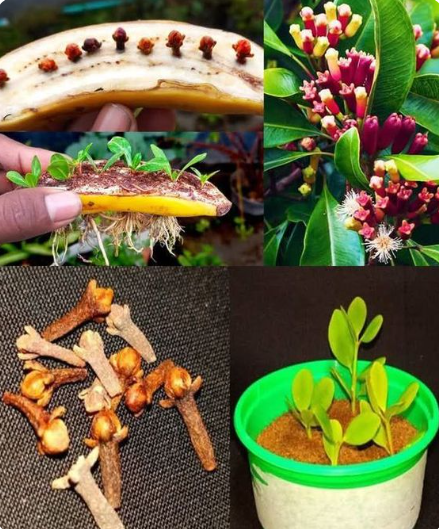
Clove trees naturally grow tall in tropical climates—up to 30 feet or more. For indoor growth:
- Opt for a young clove sapling or seedling from a reputable nursery.
- Choose a compact variety if available, or plan to prune and maintain smaller dimensions through regular indoor care.
Preparing the Ideal Growing Conditions
Key environmental factors for successful growth:
- Light: Provide bright, indirect light for most of the day. Cloves tolerate some direct sun but are best shielded from harsh midday rays.
- Temperature: Maintain a warm, stable environment—ideally between 65–85 °F (18–29 °C). Protect the plant from cold drafts or temperature drops below 55 °F (13 °C).
- Humidity: High humidity mimics the native tropical environment of clove trees. Regular misting or using a humidity tray can help.
- Soil and Container: Use a rich, well-draining potting mix with a slightly acidic pH (around 6.0–6.5). Choose a container with drainage holes to prevent root rot.
Step-by-Step: A Simple Method to Grow Cloves at Home
H3: Step 1 – Planting Your Sapling
- Use a pot at least 12 inches deep for initial growth.
- Place a layer of small gravel or broken pottery shards at the bottom for drainage.
- Fill with your mix of potting soil and some organic compost.
- Remove the sapling from its nursery container, gently untangle roots, and set it at the same depth it was previously planted.
- Water thoroughly until moisture runs out of the drainage holes.
H3: Step 2 – Daily and Weekly Care
- Watering: Keep the soil evenly moist but not waterlogged. Allow the top inch or so to dry before watering again.
- Light exposure: Rotate the pot weekly so all sides receive light and the plant grows evenly.
- Humidity: Mist the leaves 2–3 times a week or place a humidifier nearby.
- Fertilising: During the growing season (spring and summer), apply a balanced, water-soluble fertiliser once a month. Reduce or stop fertiliser during the autumn and winter months.
H3: Step 3 – Pruning and Controlling Size
Clove trees naturally grow large—but indoors you’ll want to maintain a manageable size.
- Prune back stems in early spring, cutting just above a leaf node to encourage branching.
- Remove any dead or crossing branches to improve air circulation and maintain health.
- If the tree reaches the ceiling, reduce height by cutting the main stem and redirect growth to side branches.
Troubleshooting Common Issues
H4: Yellowing Leaves
Causes: overwatering, poor drainage, or a sudden drop in temperature.
Solution: Check soil moisture and drainage, move plant away from cold drafts, and reduce watering frequency.
H4: Slow or No Flower Bud Development
Causes: Insufficient light, low humidity, or nutrient deficiency.
Solution: Increase light exposure (but avoid harsh direct midday sun), boost humidity, and ensure fertiliser includes micronutrients such as magnesium and iron.
H4: Wilting or Dropping Leaves
Causes: Root stress—either from underwatering, overwatering, or repotting shock.
Solution: Inspect roots for rot, repot if necessary using fresh soil, and adjust watering accordingly.
Harvesting and Enjoying Your Home-grown Cloves
Once your tree matures enough to produce flower buds, you can harvest fresh cloves. Clip the small reddish unopened buds when they turn pink, then dry them in a warm, dark area until they turn brown—this is how cloves develop their distinctive aroma. You can use your home-grown cloves in cooking, teas, or simply place them in sachets to scent your home naturally.
Final Thoughts: Make Your Home Beautiful and Fragrant with Clove-Growing
Growing cloves at home is more accessible than you might think. With the right conditions, a young sapling, and a little care, your living space can become a lush, aromatic retreat. Follow the simple method above, stay attentive to your tree’s needs, and you’ll enjoy both the visual beauty and the fragrant ambience of your very own indoor clove tree. Invite warmth, spice, and natural scent into your home—starting today by learning how to grow cloves.
