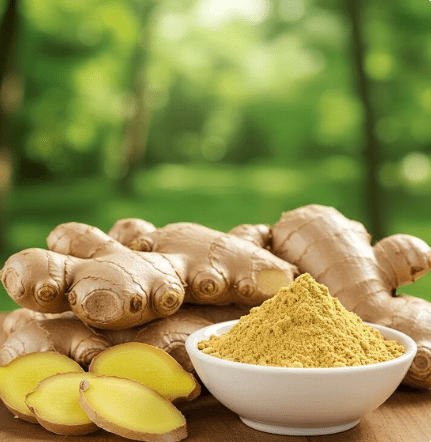
Ginger is healthy for most people and has been celebrated for thousands of years as both a culinary spice and medicinal remedy. This knobby root packs powerful anti-inflammatory compounds, aids digestion, and helps combat nausea with remarkable effectiveness. However, despite its impressive health benefits, ginger isn’t universally safe for everyone. Certain medical conditions, medications, and health situations require caution or complete avoidance of ginger supplementation. Understanding when ginger might cause more harm than good is crucial for making informed decisions about your health.
Table of Contents
Understanding Ginger’s Powerful Properties
Before exploring who should avoid ginger, it’s important to understand what makes this root so potent. Ginger contains bioactive compounds called gingerols and shogaols that provide most of its medicinal effects. These compounds demonstrate powerful anti-inflammatory and antioxidant properties that benefit many aspects of health.
Research shows ginger effectively reduces nausea and vomiting, particularly related to pregnancy, chemotherapy, and surgery. It helps alleviate muscle pain and soreness, reduces inflammation associated with arthritis, and may help lower blood sugar levels and cholesterol. Some studies suggest ginger can ease menstrual pain and may have cancer-fighting properties.
These same powerful compounds that provide health benefits can also interact with certain medications and exacerbate specific medical conditions. The concentration of active compounds varies significantly between fresh ginger, dried ginger powder, and concentrated supplements, with supplements containing the highest and most potentially problematic doses.
