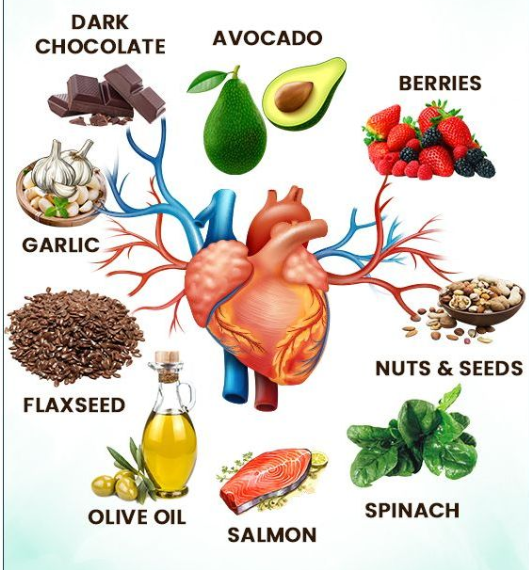
Leafy Green Vegetables: Nature’s Cleansing Agents
Spinach, kale, collard greens, and Swiss chard are nutritional powerhouses that support arterial health in multiple ways. These vegetables are rich in nitrates, which your body converts into nitric oxide—a molecule that helps relax and dilate blood vessels, improving blood flow.
Additionally, leafy greens provide vitamin K, which plays a role in preventing calcium from depositing in your arteries. They’re also loaded with antioxidants that combat oxidative stress, one of the key contributors to arterial damage. Adding a generous serving of leafy greens to your daily meals is one of the simplest yet most effective steps you can take for your heart.
Berries: Small Fruits, Big Impact
Blueberries, strawberries, raspberries, and blackberries might be small, but they pack an enormous nutritional punch. These colorful fruits are bursting with antioxidants called anthocyanins, which give them their vibrant hues and provide remarkable heart-protective properties.
Studies have shown that regular berry consumption is associated with reduced arterial stiffness and lower blood pressure. The antioxidants in berries help prevent LDL cholesterol (the “bad” kind) from oxidizing—a crucial step in plaque formation. Whether fresh or frozen, berries make an excellent addition to breakfast, smoothies, or healthy desserts.
Nuts: Crunchy Heart Protectors
Almonds, walnuts, pistachios, and other nuts contain a perfect blend of healthy fats, fiber, and plant sterols that work together to support cardiovascular health. Walnuts, in particular, are rich in alpha-linolenic acid (ALA), a plant-based omega-3 fatty acid that complements the benefits of fish-derived omega-3s.
Research indicates that eating a handful of nuts daily can help lower LDL cholesterol levels and reduce inflammation. The key is portion control—while nuts are incredibly nutritious, they’re also calorie-dense. Aim for about one ounce (roughly a small handful) per day, and choose raw or dry-roasted varieties over those coated in salt or sugar.
Extra Virgin Olive Oil: Liquid Gold for Your Arteries
Extra virgin olive oil is a cornerstone of the Mediterranean diet, which is consistently ranked as one of the healthiest eating patterns for heart disease prevention. This oil is rich in monounsaturated fats and contains powerful antioxidants like oleocanthal, which has anti-inflammatory properties similar to ibuprofen.
Using extra virgin olive oil as your primary cooking fat and salad dressing can help reduce LDL cholesterol while maintaining or even increasing HDL cholesterol (the “good” kind). Look for high-quality, cold-pressed varieties and store them in a cool, dark place to preserve their beneficial compounds.
Legumes: Fiber-Rich Champions
Beans, lentils, chickpeas, and peas offer an impressive combination of soluble fiber, plant-based protein, and various minerals that support heart health. The soluble fiber in legumes acts like a sponge, binding to cholesterol in your digestive system and helping remove it from your body before it can enter your bloodstream.
Regular legume consumption has been linked to lower cholesterol levels and reduced cardiovascular disease risk. These versatile foods can be incorporated into soups, salads, side dishes, and main courses, making them an easy addition to any eating plan.
Foods to Enhance Arterial Health Through Different Mechanisms
Avocados: Creamy Heart Supporters
Avocados contain heart-healthy monounsaturated fats along with fiber, potassium, and various vitamins. The combination of nutrients in avocados helps lower LDL cholesterol while maintaining healthy HDL levels. The potassium content also supports healthy blood pressure management, which is crucial for preventing arterial damage.
Garlic: Ancient Remedy, Modern Science
For centuries, garlic has been valued for its medicinal properties, and modern research confirms its benefits for cardiovascular health. Garlic contains compounds like allicin that may help lower blood pressure, reduce cholesterol levels, and prevent plaque formation. While raw garlic offers the most potent effects, cooked garlic still provides significant benefits.
Green Tea: Antioxidant Elixir
Green tea contains catechins, powerful antioxidants that help protect the lining of your blood vessels and may reduce plaque buildup. Drinking two to three cups of green tea daily has been associated with improved arterial function and reduced cardiovascular disease risk. The gentle caffeine content also provides an energy boost without the jitters associated with coffee.
Tomatoes: Lycopene-Loaded Protectors
Tomatoes are an excellent source of lycopene, an antioxidant that gives them their red color and provides impressive heart-protective benefits. Lycopene helps prevent LDL cholesterol oxidation and may reduce arterial stiffness. Interestingly, cooked tomatoes often provide more bioavailable lycopene than raw ones, so tomato sauce, paste, and soup are all excellent options.
Lifestyle Factors That Complement Heart-Healthy Eating
The Importance of Whole Food Choices
While individual foods offer specific benefits, the overall quality of your diet matters most. Focusing on whole, minimally processed foods naturally limits your intake of added sugars, unhealthy fats, and excess sodium—all of which contribute to arterial damage. A plate filled with colorful vegetables, quality proteins, healthy fats, and whole grains provides synergistic benefits that surpass any single “superfood.”
Physical Activity and Heart Health
No discussion of preventing heart disease would be complete without mentioning physical activity. Regular exercise helps improve blood flow, reduce inflammation, strengthen your heart muscle, and support healthy cholesterol levels. Aim for at least 150 minutes of moderate-intensity activity per week, which could include brisk walking, swimming, cycling, or dancing.
Stress Management and Sleep
Chronic stress and poor sleep both contribute to inflammation and arterial damage. Finding healthy ways to manage stress—whether through meditation, yoga, spending time in nature, or connecting with loved ones—supports your overall cardiovascular health. Similarly, prioritizing seven to nine hours of quality sleep each night allows your body to repair and regenerate.
Foods and Habits to Limit or Avoid
Trans Fats: The Arterial Enemy
Partially hydrogenated oils, which contain trans fats, are among the worst offenders for arterial health. These artificial fats increase LDL cholesterol, decrease HDL cholesterol, and promote inflammation. While many countries have banned or restricted trans fats in food products, they may still lurk in some processed baked goods, fried foods, and margarines. Always check ingredient labels.
Excessive Sodium and Processed Meats
High sodium intake contributes to elevated blood pressure, which damages arterial walls and accelerates plaque formation. Processed meats like bacon, sausage, and deli meats often contain both high sodium levels and preservatives that may harm cardiovascular health. Limiting these foods while increasing your intake of fresh, whole options naturally reduces sodium consumption.
Refined Carbohydrates and Added Sugars
White bread, pastries, sugary beverages, and other sources of refined carbohydrates and added sugars cause rapid spikes in blood sugar and insulin levels. Over time, this pattern contributes to inflammation, weight gain, and increased triglyceride levels—all risk factors for plaque buildup. Choosing whole grains and naturally sweet fruits instead helps maintain stable blood sugar and supports heart health.
Creating a Heart-Healthy Meal Plan
Building meals around artery-supporting foods doesn’t mean sacrificing flavor or satisfaction. Start with a foundation of vegetables, add a source of quality protein (fish, legumes, poultry, or lean meat), include healthy fats from nuts, seeds, avocado, or olive oil, and round out the plate with whole grains or starchy vegetables.
A typical day might include oatmeal topped with berries and walnuts for breakfast, a large salad with chickpeas and olive oil dressing for lunch, and grilled salmon with roasted vegetables and quinoa for dinner. Snacks could include apple slices with almond butter, a handful of nuts, or vegetables with hummus.
The Power of Consistency Over Perfection
Remember that supporting your arterial health through food is a marathon, not a sprint. You don’t need to overhaul your entire diet overnight or eat perfectly at every meal. Small, consistent changes add up to significant benefits over time. Focus on gradually increasing your intake of heart-healthy foods while reducing less beneficial options.
Your arteries have a remarkable ability to respond to positive changes. Research shows that even people with existing arterial plaque can see improvements in their cardiovascular health by adopting a nutrient-rich eating pattern. Every meal is an opportunity to nourish your body and support the intricate network of vessels that keeps you alive.
Taking charge of your heart health through the foods you choose empowers you to actively participate in disease prevention. While genetics play a role in cardiovascular risk, lifestyle factors—especially diet—often have the most significant impact on your long-term outcomes. By filling your plate with the artery-supporting foods discussed here, you’re investing in years of vitality, energy, and wellbeing.
Your heart has been beating for you since before you were born, and it deserves the best care you can provide. Start today by adding one or two heart-healthy foods to your routine, and build from there. Your arteries—and your future self—will thank you.
