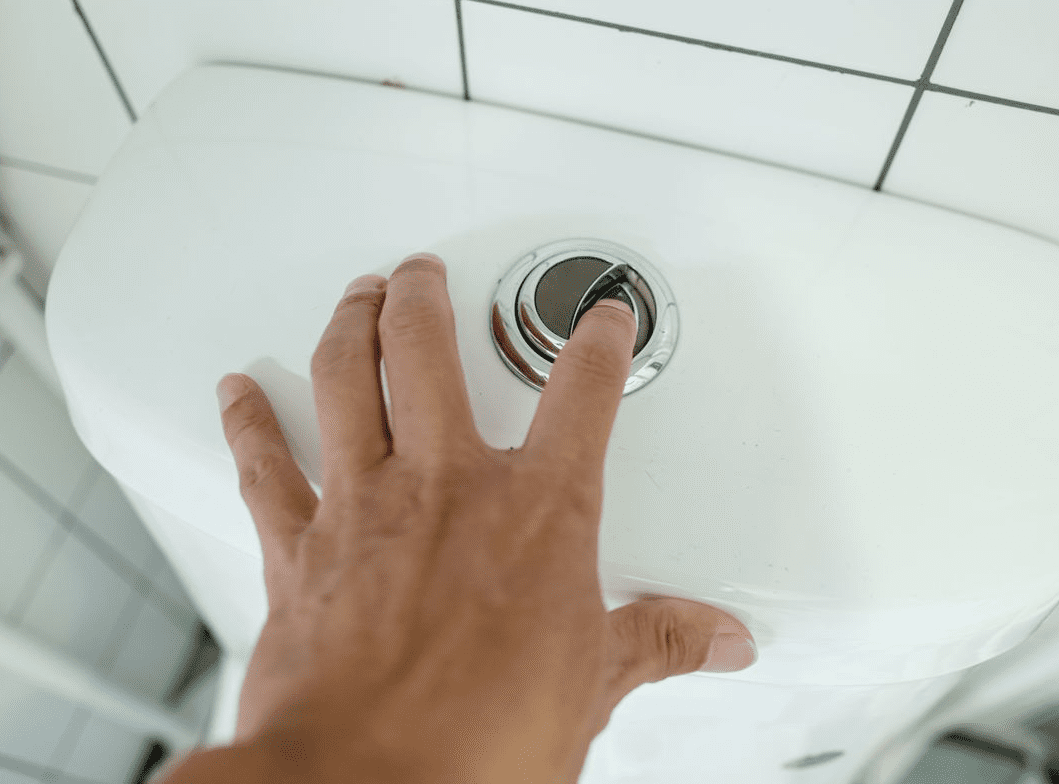
Why is it so important not to flush the toilet after every trip to the toilet to urinate? This question might seem unusual at first, especially in cultures where flushing after every bathroom visit is considered basic hygiene etiquette. However, there’s a growing movement toward more mindful flushing habits, and the reasons behind it are more compelling than you might think.
Table of Contents
The Hidden Cost of Every Flush
Every time you press that flush handle, you’re using significantly more water than you might realize. A single toilet flush consumes anywhere from 1.6 to 7 gallons of water, depending on the age and efficiency of your toilet. Older models can use even more, making each flush a substantial draw on our water resources.
When you consider that the average person urinates six to eight times per day, the math becomes striking. If everyone in a household flushes after every urination, a family of four could be using 50 to 200 gallons of water daily just for flushing urine—a waste product that’s 95% water itself.
Understanding the Environmental Impact
Water Scarcity Is Real and Growing
Water scarcity affects more than 40% of the global population, and this number is projected to increase as climate change intensifies. Even in regions that seem to have abundant water, seasonal droughts and infrastructure limitations can create serious supply challenges.
By adopting the practice of not flushing after every urination, individuals can reduce their household water consumption by 20-30%. When multiplied across entire communities, this conservation effort becomes genuinely impactful.
The Energy Connection
Many people don’t realize that water treatment and delivery require substantial energy. Pumping stations, treatment facilities, and distribution systems all consume electricity. When you flush less frequently, you’re not just saving water—you’re also reducing the energy needed to treat and transport that water to and from your home.
The wastewater treatment process is particularly energy-intensive. Sewage must be collected, treated to remove contaminants, and then safely released back into the environment. Reducing the volume of wastewater means reducing the energy and chemicals needed for treatment.
The Financial Benefits of Selective Flushing
Lower Water Bills
For households that pay for water usage, the financial savings can be meaningful. While the exact savings depend on local water rates and household size, families who adopt selective flushing practices often see reductions of 15-25% on their water bills.
In areas where water costs are high or where households use well water with expensive pumping systems, the savings become even more significant over time.
Reduced Infrastructure Strain
On a community level, decreased water usage means less strain on municipal water systems. This can delay or reduce the need for infrastructure upgrades, which are ultimately paid for through taxes and utility fees.
Addressing the Hygiene Question
Is It Actually Sanitary?
This is the concern that stops many people from considering selective flushing. The good news is that when done properly, not flushing after urination doesn’t pose hygiene risks.
Urine from healthy individuals is actually sterile when it leaves the body. Unlike feces, which contains bacteria that can pose health risks, urine doesn’t harbor pathogens in most cases. The ammonia smell that develops over time is unpleasant but not hazardous.
Setting Reasonable Guidelines
The key to making this practice work is establishing clear household guidelines. Here’s what works for most families:
Flush after bowel movements, always. This is non-negotiable for hygiene and odor control.
Consider a “three and flush” or “if it’s yellow, let it mellow” approach for urine. This means flushing after every third urination or when the toilet water becomes visibly discolored.
Always flush before guests arrive or when someone visits.
Flush in the morning and evening to maintain freshness, regardless of how many times the toilet has been used.
Close the toilet lid between uses to minimize any potential odor issues.
Special Considerations for Health
If anyone in the household has a urinary tract infection, kidney issues, or takes medications that affect urine composition, more frequent flushing may be appropriate. Some medical conditions can make urine more prone to bacterial growth or produce stronger odors.
Creating a Sustainable Bathroom Culture
Communication Is Essential
For selective flushing to work in shared households, everyone needs to be on board. This means having open conversations about why it matters and agreeing on specific rules that everyone finds acceptable.
Children especially need clear, simple guidelines they can understand and follow. Making it into a fun environmental challenge rather than a strict rule often works better with younger family members.
Balancing Courtesy and Conservation
There’s a social component to bathroom habits that can’t be ignored. When you have guests, maintaining conventional flushing practices shows respect and consideration. The water conservation happens in your daily routine, not when hosting visitors.
Some households solve this by having one “conservation toilet” for family use and ensuring guest bathrooms follow traditional flushing etiquette.
Alternative and Complementary Solutions
Upgrading to Efficient Fixtures
If you’re uncomfortable with selective flushing but still want to conserve water, consider upgrading to a dual-flush toilet. These fixtures offer a half-flush option for liquid waste and a full flush for solid waste, providing a middle ground between traditional use and selective flushing.
Modern low-flow toilets use as little as 1.28 gallons per flush compared to older models that can use 5-7 gallons, representing significant savings even with regular flushing habits.
Installing a Toilet Tank Bank
A toilet tank bank or displacement device sits inside your toilet tank and reduces the amount of water used per flush without requiring a complete toilet replacement. These simple devices can save half a gallon or more with each flush.
Considering Greywater Systems
For those serious about water conservation, greywater systems capture water from sinks and showers and redirect it for toilet flushing. While this requires more significant installation, it represents a comprehensive approach to household water management.
The Broader Context of Water Conservation
Every Drop Matters
Selective flushing for urination is just one component of a water-conscious lifestyle. When combined with shorter showers, fixing leaks promptly, running full loads of laundry, and using water-efficient appliances, the cumulative impact becomes substantial.
The goal isn’t perfection but progress. Even if you only implement selective flushing part of the time or in certain circumstances, you’re still making a positive difference.
Teaching the Next Generation
Children who grow up understanding the value of water conservation are more likely to continue these practices into adulthood and pass them along to their own children. The conversations about why we make these choices are just as important as the actions themselves.
Overcoming Social Conditioning
Questioning Automatic Habits
Many of our bathroom habits are automatic rather than intentional. We flush because we’ve always flushed, not because we’ve considered whether it’s necessary every single time. Questioning these ingrained patterns is the first step toward more sustainable living.
Regional and Cultural Differences
It’s worth noting that attitudes toward flushing vary significantly around the world. Many water-scarce regions have long practiced selective flushing out of necessity, and it’s considered completely normal. What seems unusual in one context is standard practice in another.
Making the Transition
Start Gradually
If you’re new to selective flushing, you don’t have to implement it perfectly from day one. Start with times when you’re home alone, or begin with a “flush every other time” approach before extending to “flush every third time.”
As you become more comfortable with the practice and see your water bills decrease, it becomes easier to maintain.
Monitor and Adjust
Pay attention to how well your chosen approach works for your household. If odors become noticeable, flush more frequently. If you’re not seeing meaningful water savings, you might extend the time between flushes.
The right balance is different for every household based on toilet efficiency, number of users, and individual comfort levels.
The Reality Check
Let’s be honest: not flushing after every urination isn’t going to single-handedly solve the global water crisis. However, when adopted by millions of households, the collective impact becomes genuinely significant.
Water conservation isn’t about making grand gestures; it’s about making small, consistent choices that add up over time. This particular practice requires no special equipment, no financial investment, and minimal adjustment to your daily routine—yet it can reduce household water use by thousands of gallons annually.
Conclusion
Why is it so important not to flush the toilet after every trip to the toilet to urinate? Because water is a precious resource that we can no longer afford to waste unnecessarily. Because small changes in our daily habits create meaningful impacts when multiplied across entire communities. Because teaching ourselves and our children to be mindful of resource consumption prepares us for a future where such consciousness will be increasingly necessary.
This practice isn’t about sacrificing hygiene or comfort. It’s about being intentional with our resources and recognizing that freshwater availability isn’t unlimited. Whether you adopt this practice fully, partially, or modify it to suit your household’s needs, you’re participating in a larger cultural shift toward environmental responsibility.
The toilet flush is such a small, automatic action that we rarely think about it. But when we do pause to consider the resources behind that simple gesture, we open the door to more thoughtful, sustainable living in all areas of our lives.
