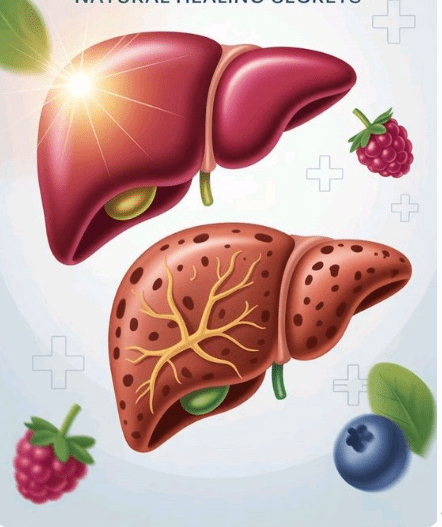
One of the most impactful steps you can take is removing refined sugars from your diet. Fructose, particularly from high-fructose corn syrup found in sodas and processed foods, directly contributes to fat accumulation in the liver. Your liver metabolizes fructose differently than other sugars, converting it directly into fat.
Start by reading labels carefully. Sugar hides in unexpected places like salad dressings, pasta sauces, and bread. Replace processed snacks with whole food alternatives—fresh fruit instead of fruit juice, nuts instead of chips, and water or herbal tea instead of sugary beverages.
Embrace Healthy Fats
Not all fats are created equal. While you should avoid trans fats and limit saturated fats, incorporating healthy fats actually supports liver health. Omega-3 fatty acids, found in fatty fish like salmon, mackerel, and sardines, have been shown to reduce liver fat and inflammation.
Other beneficial fat sources include avocados, extra virgin olive oil, walnuts, flaxseeds, and chia seeds. These foods provide essential fatty acids that help regulate fat metabolism and reduce oxidic stress in liver cells.
Load Up on Vegetables and Fiber
Vegetables, especially cruciferous ones like broccoli, Brussels sprouts, and cauliflower, contain compounds that support the liver’s detoxification pathways. Leafy greens like spinach, kale, and arugula are rich in antioxidants that protect liver cells from damage.
Fiber plays a crucial role in liver health by helping remove toxins from your body and improving insulin sensitivity. Aim for 25-35 grams of fiber daily from sources like legumes, whole grains, vegetables, and fruits. Fiber also helps you feel fuller longer, supporting weight management efforts.
Choose Lean Proteins Wisely
Protein is essential for liver repair and regeneration, but the source matters. Focus on plant-based proteins like lentils, chickpeas, and black beans, along with lean animal proteins like chicken, turkey, and fish. These provide the amino acids your liver needs without excessive saturated fat.
Limit or avoid processed meats like bacon, sausages, and deli meats, which often contain preservatives and high levels of sodium that can stress your liver.
Powerful Natural Remedies and Supplements
Coffee: An Unexpected Liver Ally
Research has consistently shown that regular coffee consumption may protect against liver disease progression. Coffee contains antioxidants and compounds that reduce inflammation and slow the accumulation of fat in the liver. Two to three cups of black coffee daily (without added sugar or cream) can be part of your liver-supporting routine.
Green Tea Extract
Green tea is rich in catechins, particularly epigallocatechin gallate (EGCG), which has been shown to reduce liver fat and inflammation. Drinking 2-3 cups of green tea daily or taking a quality green tea extract supplement can support your liver cleansing efforts.
Milk Thistle
This herb has been used for centuries to support liver health. Its active compound, silymarin, acts as an antioxidant and anti-inflammatory agent, potentially protecting liver cells from damage and supporting regeneration. While research is ongoing, many people find milk thistle beneficial when taken as directed.
Turmeric and Curcumin
The active compound in turmeric, curcumin, possesses powerful anti-inflammatory properties. Studies suggest it may help reduce liver fat and improve markers of liver function. To enhance absorption, consume turmeric with black pepper, which contains piperine, or take a curcumin supplement formulated for better bioavailability.
Dandelion Root
Often dismissed as a weed, dandelion root has traditionally been used to support liver and digestive health. It acts as a natural diuretic and may help the liver eliminate toxins more efficiently. Dandelion root tea is a gentle way to incorporate this herb into your routine.
Lifestyle Modifications for Liver Health
Weight Loss: The Most Effective Intervention
If you’re overweight, losing just 7-10% of your body weight can significantly reduce liver fat. However, rapid weight loss can actually harm your liver, so aim for gradual, sustainable weight loss of 1-2 pounds per week.
Focus on creating a moderate calorie deficit through a combination of healthy eating and increased physical activity. Crash diets and extreme calorie restriction can trigger the release of fatty acids that overwhelm the liver, so steady progress is key.
Exercise Regularly
Physical activity helps reduce liver fat even without significant weight loss. Both aerobic exercise and resistance training benefit liver health by improving insulin sensitivity, reducing inflammation, and burning fat.
Aim for at least 150 minutes of moderate-intensity exercise or 75 minutes of vigorous exercise weekly. This could include brisk walking, cycling, swimming, or dancing. Strength training exercises two days per week help build muscle mass, which improves metabolic health.
Find activities you genuinely enjoy—you’re much more likely to stick with an exercise routine that feels like recreation rather than punishment.
Prioritize Quality Sleep
Sleep deprivation and poor sleep quality are associated with increased risk of fatty liver disease. During sleep, your body performs essential repair and detoxification processes. Aim for 7-9 hours of quality sleep nightly.
Establish a consistent sleep schedule, create a relaxing bedtime routine, keep your bedroom cool and dark, and limit screen time before bed. If you suspect you have sleep apnea, seek medical evaluation, as this condition is closely linked to fatty liver disease.
Manage Stress Effectively
Chronic stress elevates cortisol levels, which can promote fat storage around organs, including the liver. It also often leads to unhealthy coping behaviors like overeating or consuming alcohol.
Incorporate stress-management techniques into your daily routine. This might include meditation, deep breathing exercises, yoga, spending time in nature, or engaging in hobbies you enjoy. Even 10-15 minutes of mindfulness practice daily can make a meaningful difference.
Foods That Actively Support Liver Detoxification
Garlic
This pungent bulb contains sulfur compounds that activate liver enzymes responsible for flushing out toxins. Garlic also has antimicrobial properties and may help reduce body fat. Add fresh garlic to your meals regularly rather than relying solely on supplements.
Beets and Carrots
Both vegetables are high in plant flavonoids and beta-carotene, which support overall liver function. Beets, in particular, contain betalains that have antioxidant and anti-inflammatory properties. Try adding beets to salads, making fresh beet juice, or roasting them as a side dish.
Grapefruit
This citrus fruit contains antioxidants that naturally protect the liver. The two main antioxidants, naringenin and naringin, reduce inflammation and protect liver cells. Start your day with half a grapefruit or add grapefruit segments to salads.
Note: If you take certain medications, grapefruit can interact with them, so check with your healthcare provider first.
Walnuts
High in omega-3 fatty acids and the amino acid arginine, walnuts support liver cleansing and help maintain healthy ammonia levels. A small handful of walnuts makes an excellent snack that provides lasting energy while supporting liver health.
Olive Oil
Cold-pressed organic olive oil provides lipid base that can absorb harmful toxins from the body, taking stress off the liver. Use olive oil as your primary cooking fat and for salad dressings, but remember it’s calorie-dense, so use moderate amounts.
What to Avoid for Optimal Liver Health
Alcohol
This should be obvious, but it’s worth emphasizing: alcohol directly damages liver cells and contributes to fat accumulation. If you have fatty liver disease, eliminating alcohol completely gives your liver the best chance to heal. Even moderate drinking can impede recovery.
Excessive Salt
High sodium intake can lead to fluid retention and may worsen liver problems. Processed and packaged foods are typically loaded with sodium. Cook meals at home using fresh ingredients and flavor them with herbs, spices, lemon juice, and vinegar instead of salt.
Fried Foods and Trans Fats
Foods fried in unhealthy oils and products containing trans fats (partially hydrogenated oils) contribute to liver inflammation and fat accumulation. Choose baked, grilled, steamed, or sautéed foods instead, and always read ingredient labels to avoid trans fats.
Excess Iron
While iron is an essential nutrient, too much can accumulate in the liver and cause damage. Unless you have iron-deficiency anemia, avoid iron supplements and limit foods extremely high in iron. Most people get adequate iron from a balanced diet.
Creating Your Liver-Cleansing Action Plan
Week One: Assessment and Elimination
Start by eliminating the obvious culprits: sugary drinks, processed snacks, fried foods, and alcohol. Stock your kitchen with liver-friendly foods like fresh vegetables, fruits, lean proteins, and whole grains. Keep a food journal to become aware of your eating patterns.
Weeks Two Through Four: Building New Habits
Introduce positive habits gradually. Add one new vegetable to your meals daily. Start a simple exercise routine, even if it’s just a 15-minute walk after dinner. Begin taking a liver-supporting supplement like milk thistle or omega-3s after consulting with your healthcare provider.
Month Two and Beyond: Consistency and Fine-Tuning
By now, healthier choices should feel more natural. Focus on consistency rather than perfection. If you have a setback, don’t view it as failure—simply return to your healthy habits at the next meal. Schedule regular check-ups with your doctor to monitor liver function through blood tests.
Monitoring Your Progress
Work with your healthcare provider to track your liver health through blood tests that measure liver enzymes (ALT, AST), as well as imaging studies like ultrasound if recommended. Improvements in liver function often occur within 3-6 months of lifestyle changes.
Pay attention to how you feel. Increased energy, better sleep, clearer thinking, and improved digestion are all positive signs that your liver is functioning better. Weight loss, if needed, and improvements in blood sugar and cholesterol levels also indicate progress.
The Long-Term Perspective
Cleansing your fatty liver naturally isn’t about a 30-day detox or quick fix—it’s about adopting a lifestyle that continuously supports optimal liver function. Your liver is incredibly resilient, but it needs consistent care and attention.
The dietary changes and lifestyle modifications outlined here don’t just benefit your liver; they improve your overall health, reduce risk of chronic diseases, and enhance quality of life. Think of this as investing in your long-term wellness rather than following temporary restrictions.
When to Seek Medical Attention
While natural approaches are powerful, they should complement, not replace, medical care. Consult your healthcare provider before starting any new supplement regimen, especially if you take medications. Seek medical attention if you experience:
- Persistent fatigue or weakness
- Unexplained weight loss
- Yellowing of the skin or eyes (jaundice)
- Abdominal pain or swelling
- Dark urine or pale stools
- Easy bruising or bleeding
Your doctor may recommend medications in addition to lifestyle changes, particularly if your fatty liver has progressed or if you have related conditions like diabetes or high cholesterol.
Final Thoughts
Learning how to naturally cleanse a fatty liver empowers you to take control of your health. The journey requires commitment and patience, but the rewards—improved energy, better overall health, and reduced disease risk—make every positive choice worthwhile.
Remember that your liver has an incredible capacity to heal when given the right support. By nourishing your body with whole foods, moving regularly, managing stress, and avoiding harmful substances, you create the optimal environment for your liver to repair, regenerate, and thrive.
Start today with one small change. Perhaps it’s swapping your morning soda for green tea, adding an extra serving of vegetables to dinner, or taking a 20-minute walk. These small steps accumulate into significant health improvements over time. Your liver—and your entire body—will thank you for the care and attention you invest in your lasting health.
