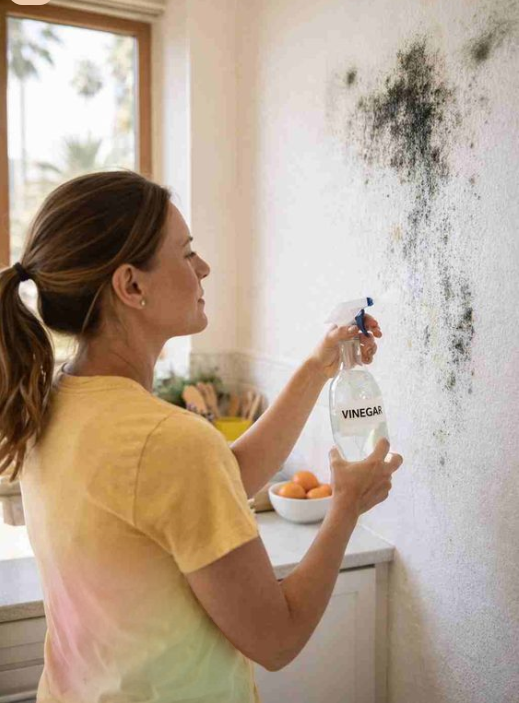
Eliminate mold completely with this tried-and-tested method that uses safe, household ingredients to reclaim your living space. Finding dark patches on your walls or ceilings is more than just an eyesore; it is a signal that your home’s environment has become a breeding ground for fungi that can impact your air quality and structural integrity. While many reach for harsh industrial chemicals at the first sign of a spore, there is a much more sustainable and lung-friendly way to handle the problem.
Mold thrives in damp, poorly ventilated areas, often hiding behind furniture or in the corners of bathrooms. If left unchecked, it can spread rapidly, releasing spores into the air you breathe every single day. This guide provides a professional-grade approach to deep-cleaning these surfaces without the overwhelming fumes of bleach. 🏠
Table of Contents
Understanding the Root of the Mold Problem
Before you start scrubbing, it is vital to understand why mold appears in the first place. Mold is a type of fungus that grows in multicellular structures called hyphae. It requires three things to survive: moisture, a food source (like drywall, wood, or dust), and a lack of significant airflow. Most residential mold issues stem from condensation, leaky pipes, or high humidity levels.
Using a “tried-and-tested” approach means not only cleaning the surface but also treating the porous material beneath it. Simple surface wiping often leaves the roots intact, allowing the mold to return within weeks. By using a solution that penetrates the surface and alters the pH balance of the area, you create an environment where the fungi can no longer survive. 🛡️
The Science of Natural Mold Elimination
Many people assume that bleach is the only way to kill mold, but experts often point out a significant flaw: bleach is mostly water. On porous surfaces like wood or drywall, the chlorine stays on top while the water soaks in, potentially feeding the mold roots deeper into the material.
Instead, using a combination of acetic acid (vinegar) and essential oils creates a dual-attack system. The acid breaks down the physical structure of the mold, while specific oils—like tea tree or clove—act as natural fungicides that inhibit future spore germination. This method is not only effective but is also much safer for households with pets or children.
The Ultimate Mold-Busting Recipe
This recipe focuses on high-concentration ingredients that are tough on fungus but gentle on your home’s surfaces. Ensure you are using high-quality white vinegar for the best results.
Ingredients
- 2 cups of White Distilled Vinegar: Ensure it has at least 5% acidity.
- 20 drops of Tea Tree Essential Oil: Known for its powerful antifungal properties.
- 10 drops of Clove Essential Oil: Excellent for killing mold spores.
- 1 cup of Distilled Water: To slightly dilute the acidity for sensitive surfaces.
- 1 tablespoon of Baking Soda: (Optional, for use as a scrubbing paste on tough stains).
Preparation and Application Steps
- Mix the Solution: Combine the white vinegar, distilled water, and essential oils into a high-quality spray bottle. Shake vigorously to ensure the oils are well-distributed throughout the liquid. 🧪
- Safety First: Before beginning, put on a pair of gloves and a face mask. Mold spores become airborne when disturbed, and you want to avoid inhaling them during the cleaning process.
- Saturate the Area: Spray the solution directly onto the moldy surface. Do not skimp on the liquid; you want the area to be thoroughly damp so the solution can soak into the pores of the material.
- The Waiting Period: This is the most important step. Let the solution sit for at least one hour. Do not wipe it off immediately. The acidity needs time to break down the mold’s cellular walls.
- Scrubbing: Use a stiff-bristled brush to scrub the area. If the stain is stubborn, mix a little baking soda with a splash of the solution to create a paste and scrub that into the spot.
- Wipe and Dry: Wipe the area clean with a damp cloth. Once the visible mold is gone, give the area one final light mist of the spray and let it air dry. This leaves a protective residue that prevents new spores from landing and growing.

Tips for Long-Term Prevention
Cleaning the mold is only half the battle; keeping it away requires a change in the environment. After you eliminate mold completely with this tried-and-tested recipe, you should focus on moisture control.
- Improve Ventilation: Use exhaust fans in bathrooms and kitchens. If possible, open windows for at least 15 minutes a day to circulate fresh air.
- Monitor Humidity: Keep indoor humidity levels between 30% and 50%. A dehumidifier is a worthwhile investment for damp basements or laundry rooms.
- Fix Leaks Promptly: Even a small drip under a sink can create enough moisture for a colony to start within 24 to 48 hours. 💧
Taking Control of Your Home Environment
Dealing with mold doesn’t have to mean turning your home into a chemical hazard zone. By using the natural power of acetic acid and botanical fungicides, you can achieve a deep clean that is both effective and sustainable. This method targets the mold at its source, ensuring that your walls remain clean and your air stays fresh.
Consistency is key. If you live in a particularly humid climate, a monthly “maintenance spray” of this recipe on prone areas can act as a powerful preventative measure. Your home is your sanctuary, and keeping it mold-free is one of the best things you can do for your long-term health. ✨
Have you noticed any recurring damp spots in your home that might benefit from this natural treatment?
Summary: Mold removal requires more than just surface wiping; it demands a solution that penetrates and prevents. By using a vinegar and essential oil-based recipe, you can safely and effectively clear your home of fungal growth. Try this method today to experience a fresher, healthier living space!
