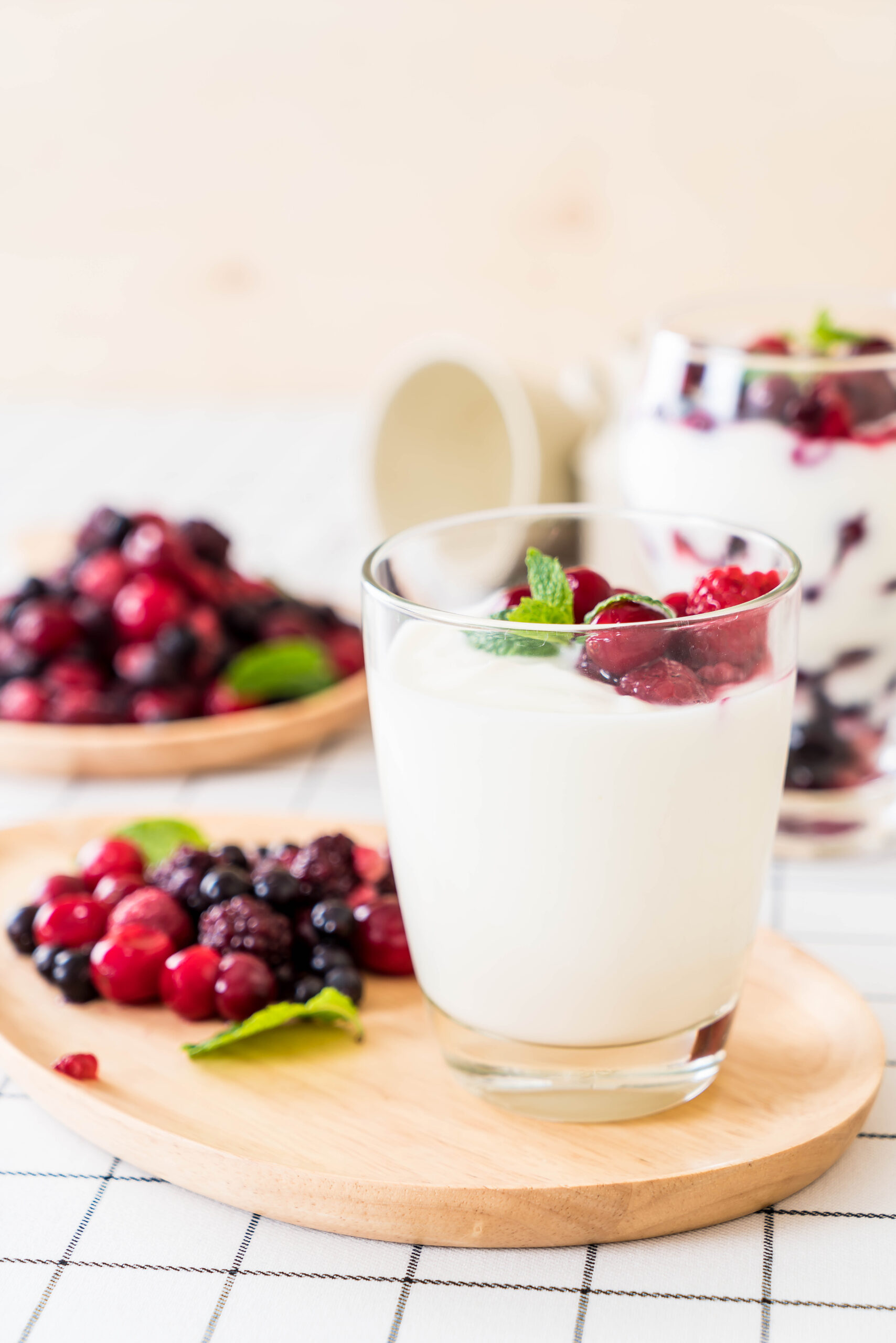
There’s something truly magical about transforming simple milk into thick, creamy yogurt right in your own kitchen. If you’ve ever wondered how to make easy homemade yogurt, you’re in for a delightful surprise – it’s far simpler than you might imagine!
Yogurt has been nourishing families for thousands of years, originating in ancient civilizations across the Middle East and Central Asia. Turkish shepherds discovered this fermentation miracle when milk stored in pouches made from animal stomachs naturally cultured during their long journeys. Today, this time-tested tradition continues to bring health benefits and incredible flavor to tables worldwide.
This easy homemade yogurt recipe is perfect for health-conscious families, budget-savvy cooks, and anyone who loves knowing exactly what goes into their food. Whether you’re following a halal diet, avoiding artificial additives, or simply craving the satisfaction of making something wholesome from scratch, this recipe delivers on all fronts. Plus, making yogurt at home costs a fraction of premium store-bought varieties while providing superior taste and nutrition.
The beauty of homemade yogurt lies in its versatility and simplicity. With just two basic ingredients and minimal equipment, you’ll create a probiotic powerhouse that supports digestive health, provides high-quality protein, and serves as the foundation for countless delicious recipes.
Table of Contents
Ingredients List
For Basic Easy Homemade Yogurt:
- 4 cups (1 liter) whole milk (preferably organic, but any milk works)
- 2-4 tablespoons plain yogurt with live active cultures (as starter)
Optional Flavor Additions:
- 2-3 tablespoons honey or maple syrup (for sweetening)
- 1 teaspoon vanilla extract
- Fresh fruit puree (strawberry, mango, or berry)
- 1-2 tablespoons jam or preserves
Equipment Needed:
- Heavy-bottomed saucepan
- Thermometer (candy or instant-read)
- Whisk
- Clean glass jars or containers
- Clean kitchen towels
- Cooler or oven with light
Substitution Notes:
- Milk Options: Whole milk creates the creamiest texture, but you can use 2% milk, skim milk, or even non-dairy alternatives like coconut milk
- Starter Yogurt: Use any plain yogurt labeled “contains live active cultures” – Greek yogurt, regular yogurt, or even previous homemade batch works perfectly
- Sweetener Alternatives: Stevia, agave nectar, or date syrup work wonderfully for different dietary needs
Step-by-Step Instructions

1. Heat the Milk
Pour your milk into a heavy-bottomed saucepan and place over medium heat. Slowly warm the milk while stirring occasionally to prevent scorching. Heat until the milk reaches 180°F (82°C) – you’ll notice small bubbles forming around the edges, and steam rising from the surface. This step pasteurizes the milk and helps create a thicker final texture.
2. Cool the Milk
Remove the saucepan from heat and let the milk cool to 110°F (43°C). This usually takes about 45 minutes to an hour. You can speed up the process by placing the pot in a cold water bath. The temperature is crucial – too hot will kill the beneficial bacteria in your starter, while too cool won’t activate them properly.
3. Add the Starter
In a small bowl, whisk together your starter yogurt with about 1/2 cup of the cooled milk until smooth. This helps prevent lumps and ensures even distribution. Pour this mixture back into the remaining milk and whisk gently to combine thoroughly.
4. Incubate Your Yogurt
Transfer the mixture into clean glass jars or containers. Cover with clean kitchen towels and place in a warm environment (100-110°F) for 4-12 hours. The longer you incubate, the tangier your yogurt becomes. You can use an oven with just the light on, a dehydrator, or wrap the jars in towels and place in a cooler with warm water.
5. Check for Set
After 4 hours, gently tilt one jar to check consistency. The yogurt should coat the sides and have a custard-like texture. If it’s still too thin, continue incubating for 2-4 more hours.
6. Refrigerate and Enjoy
Once your yogurt has reached desired thickness and tang, refrigerate for at least 4 hours before serving. The cold temperature stops the culturing process and firms up the texture beautifully.
Pro Tips & Variations
Temperature Success Tips:
- Invest in a good thermometer – temperature control is key to perfect yogurt
- If you don’t have a thermometer, test milk temperature on your wrist; 110°F should feel slightly warm but comfortable
- Maintain consistent incubation temperature by checking your warm spot with a thermometer first
Texture Enhancements:
- For extra-thick yogurt, add 1-2 tablespoons of powdered milk before heating
- Strain finished yogurt through cheesecloth for Greek-style thickness
- Avoid stirring during incubation to prevent breaking the delicate curd structure
Flavor Variations:
- Vanilla Honey Yogurt: Add vanilla and honey after the yogurt has set and chilled
- Berry Swirl: Fold in fresh berry puree just before serving
- Tropical Twist: Mix in mango or coconut flakes for exotic flavor
- Savory Options: Use plain yogurt as base for tzatziki, ranch dressing, or marinades
Troubleshooting Common Issues:
- Thin yogurt: Increase incubation time or use more starter culture next time
- Grainy texture: Milk may have been too hot when starter was added
- Too tangy: Reduce incubation time in future batches
- Won’t set: Check expiration date on starter yogurt; cultures may be inactive
Storage & Reheating Tips

Proper Storage: Store your homemade yogurt in clean, airtight glass containers in the refrigerator for up to 7-10 days. Glass containers are preferable to plastic as they don’t absorb odors and are easier to sanitize completely.
Freezing Guidelines: While you can freeze homemade yogurt for up to 3 months, the texture will change upon thawing, becoming more grainy. Frozen yogurt works excellently in smoothies, baking, or as a frozen treat, but won’t have the same creamy consistency for eating fresh.
Maintaining Quality:
- Always use clean spoons when serving to prevent contamination
- Don’t leave yogurt at room temperature for more than 2 hours
- Save 2-4 tablespoons of each batch as starter for your next homemade yogurt
- Label containers with the date to track freshness
Using Leftover Whey: Don’t discard the yellowish liquid that sometimes separates from yogurt! This whey is packed with protein and probiotics. Use it in smoothies, bread baking, or as a face mask for naturally glowing skin.
FAQs Section
Can I Make Yogurt Without a Thermometer?
Yes, though a thermometer ensures best results. For the heating stage, look for small bubbles around the milk’s edge and steam rising. For cooling, test a drop on your wrist – it should feel just slightly warm, similar to baby formula temperature.
How Long Does Homemade Yogurt Last?
Properly stored homemade yogurt stays fresh for 7-10 days in the refrigerator. The yogurt may develop a slightly more tart flavor over time, which is completely normal. Trust your senses – if it smells off or shows mold, discard it.
Can I Use Non-Dairy Milk for This Recipe?
Absolutely! Coconut milk works wonderfully and creates rich, creamy yogurt. Almond, oat, and soy milk also work, though they may require longer incubation times and won’t be quite as thick. You might need to add a thickener like agar powder for better consistency.
Why Did My Yogurt Turn Out Runny?
Several factors can cause thin yogurt: insufficient incubation time, inactive starter culture, incorrect temperature during incubation, or using milk with too low fat content. Next time, try extending incubation time or using a fresher starter with active cultures.
Can I Make Greek-Style Yogurt at Home?
Yes! After your regular yogurt sets, line a fine-mesh strainer with cheesecloth or coffee filters. Pour the yogurt into the lined strainer and let it drain in the refrigerator for 2-4 hours. The longer you strain, the thicker it becomes. The liquid that drains out is valuable whey – don’t waste it!
Nutritional Information (Per 1/2 Cup Serving)
- Calories: 80-100 (varies by milk type)
- Protein: 4-6 grams
- Fat: 3-5 grams (varies by milk fat content)
- Carbohydrates: 6-8 grams
- Calcium: 15% Daily Value
- Probiotics: Contains beneficial live cultures including Lactobacillus bulgaricus and Streptococcus thermophilus
Nutritional values are approximate and vary based on milk type and added ingredients.
Recipe Card
Easy Homemade Yogurt
Prep Time: 15 minutes
Cook Time: 20 minutes
Incubation Time: 6-8 hours
Total Time: 7-9 hours
Servings: 8 (1/2 cup servings)
Ingredients:
- 4 cups whole milk
- 2-4 tablespoons plain yogurt with live active cultures
- Optional: honey, vanilla, or fruit for flavoring
Instructions:
- Heat milk to 180°F (82°C) in heavy-bottomed saucepan
- Cool milk to 110°F (43°C)
- Whisk starter yogurt with 1/2 cup cooled milk, then add back to remaining milk
- Pour into clean jars and incubate at 100-110°F for 6-8 hours
- Refrigerate until chilled before serving
Notes:
- Save 2-4 tablespoons as starter for next batch
- Incubation time affects tanginess – longer equals more tart
- Use within 7-10 days for best quality
Final Thoughts
Making easy homemade yogurt transforms your kitchen into a wellness center, providing your family with fresh, probiotic-rich nutrition while saving money. This simple process connects you to generations of traditional food preparation while meeting modern health and dietary needs.
The satisfaction of creating something so nourishing from basic ingredients never gets old. Each batch becomes an opportunity to experiment with flavors, adjust thickness, and perfect your personal yogurt-making style.
If you enjoyed this easy homemade yogurt recipe, you might also love:
- Homemade Kefir: Another Probiotic Powerhouse
- Fresh Ricotta Cheese: Simple Three-Ingredient Recipe
Start your yogurt-making journey today, and discover why homemade always tastes better!
Tags: Easy Homemade Yogurt, Homemade Yogurt