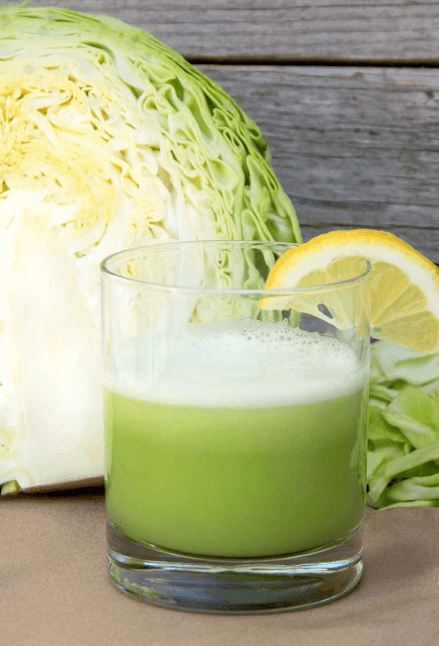
Preparing Fresh Cabbage Juice Properly
The preparation method significantly impacts the effectiveness of cabbage juice. Fresh juice contains far more active compounds than cooked cabbage because heat destroys many of the beneficial enzymes and vitamin U. You’ll need a juicer or high-powered blender to extract the maximum benefit from raw cabbage.
Start with fresh, organic green cabbage when possible. Purple cabbage works too and contains additional antioxidants, though the flavor is slightly stronger. Remove any wilted outer leaves and cut the cabbage into chunks that fit your juicer. There’s no need to remove the core, as it contains concentrated nutrients.
Run the cabbage through your juicer, collecting the liquid in a glass container. A medium-sized cabbage head typically yields about three to four cups of juice. The texture will be thick and slightly pulpy, which is exactly what you want. This thickness helps the juice coat your stomach lining effectively.
If using a blender instead of a juicer, blend the cabbage chunks with a small amount of water until smooth, then strain through cheesecloth or a fine-mesh strainer. This method requires more effort but works perfectly well if you don’t own a juicer. The resulting juice may be slightly less concentrated but still provides substantial benefits.
Optimal Dosage and Timing
Getting the dosage right matters for achieving results without overwhelming your system. Most studies and traditional protocols recommend drinking between half a cup to one full cup of fresh cabbage juice, two to three times daily. The timing of consumption plays an important role in maximizing effectiveness.
Taking cabbage juice on an empty stomach, about 30 minutes before meals, allows it to coat the stomach lining before food and acid production increase. This timing provides maximum protective effect during digestion, when stomach acid levels rise and can cause the most discomfort.
For active ulcers or severe gastritis, a more intensive protocol involves drinking one cup three times daily for the first week, then reducing to twice daily for the following three weeks. This aggressive approach mirrors the protocols used in early research studies that demonstrated the most dramatic healing results.
Listen to your body during the initial days. Some people experience mild bloating or increased gas as their digestive system adjusts to the fiber and compounds in cabbage juice. If this occurs, start with smaller amounts like a quarter cup twice daily, gradually increasing as your tolerance improves.
Enhancing the Flavor and Effectiveness
Raw cabbage juice has an earthy, slightly sulfurous taste that many people find challenging. Fortunately, you can improve the flavor without compromising the therapeutic benefits by adding complementary ingredients that themselves support digestive health.
Adding one small apple or pear to your cabbage juice significantly improves palatability while contributing additional antioxidants and natural sweetness. The pectin in these fruits also supports gut health by feeding beneficial bacteria. Avoid adding too much fruit, as excess sugar can irritate an already sensitive stomach.
Fresh ginger root, about half an inch per cup of juice, provides both flavor enhancement and additional anti-inflammatory benefits. Ginger has its own long history of use for nausea and digestive upset. The combination of cabbage and ginger creates a synergistic effect that many people find more effective than either ingredient alone.
Cucumber and celery blend seamlessly with cabbage juice, diluting the strong flavor while adding hydration and minerals. These vegetables have neutral tastes that don’t overpower the cabbage, and they contribute their own digestive benefits. A basic recipe might include half a small cabbage, one cucumber, two celery stalks, and a small piece of ginger.
Storage and Freshness Considerations
Fresh cabbage juice loses potency relatively quickly due to oxidation and enzyme degradation. For maximum benefit, drink the juice immediately after preparation. The active compounds begin breaking down within 15 to 20 minutes of juicing, reducing effectiveness with each passing hour.
If you must store cabbage juice, keep it in an airtight glass container filled to the brim to minimize air exposure. Store it in the refrigerator and consume within 24 hours maximum. Some practitioners recommend preparing just enough for same-day consumption rather than making large batches.
Adding a squeeze of lemon juice helps slow oxidation and preserves the active compounds slightly longer. The vitamin C in lemon acts as a natural preservative while contributing its own healing properties. However, fresh preparation remains the gold standard for therapeutic use.
Freezing cabbage juice preserves it longer but results in some nutrient loss. If your schedule makes daily juicing impractical, freezing individual portions in ice cube trays offers a reasonable compromise. Thaw only what you need and consume it immediately after defrosting.
What to Expect During Treatment
Understanding the typical timeline helps set realistic expectations and encourages consistency. Most people notice some degree of symptom relief within the first three to five days of regular cabbage juice consumption. This initial improvement usually involves reduced burning sensations and less acute pain after eating.
Significant healing of the stomach lining typically requires two to four weeks of consistent use. During this period, symptoms gradually diminish rather than disappearing overnight. Some days may feel better than others as your body goes through the healing process. This variation is normal and doesn’t indicate that the treatment isn’t working.
Around the two-week mark, many people experience a noticeable reduction in the frequency and intensity of symptoms. You might find you can eat foods that previously triggered discomfort without experiencing the same level of pain. This milestone indicates that the stomach lining is rebuilding and becoming more resilient.
Complete resolution of symptoms, particularly for chronic conditions like gastritis or ulcers, may take six to eight weeks. Even after symptoms subside, continuing with a maintenance dose of cabbage juice a few times per week can help prevent recurrence and strengthen digestive health long-term.
Potential Side Effects and Precautions
While cabbage juice is generally safe for most people, awareness of potential side effects helps you use it appropriately. The most common complaint involves increased intestinal gas and bloating, especially during the first few days. This occurs because cabbage contains raffinose, a complex sugar that humans can’t fully digest.
Starting with small amounts and gradually increasing your intake minimizes digestive discomfort. The bloating typically subsides as your gut bacteria adjust to processing the compounds in cabbage. If gas becomes problematic, reducing your dose or taking a break for a day or two usually resolves the issue.
Cabbage belongs to the cruciferous vegetable family, which can interfere with thyroid function when consumed in very large quantities over extended periods. This effect occurs because these vegetables contain goitrogens, compounds that can affect iodine uptake. For therapeutic doses of cabbage juice taken over several weeks, this rarely poses a problem for people with normal thyroid function.
However, individuals with hypothyroidism or other thyroid conditions should consult their healthcare provider before starting a cabbage juice regimen. Ensuring adequate iodine intake through iodized salt, seafood, or supplementation can offset any potential thyroid effects while still allowing you to benefit from cabbage juice therapy.
Who Should Consider Cabbage Juice Therapy
Cabbage juice serves as an excellent option for people seeking natural alternatives or complementary therapies for digestive issues. Those diagnosed with gastritis who want to support their healing process beyond medication alone often find significant benefit. The juice works alongside conventional treatments rather than replacing them.
People with recurring stomach ulcers may discover that cabbage juice helps prevent new ulcers from forming while accelerating healing of existing ones. If you’ve completed antibiotic treatment for H. pylori but still experience lingering symptoms, cabbage juice can help repair residual damage and restore normal stomach function.
Individuals who experience frequent heartburn or acid reflux might find relief through regular cabbage juice consumption. While the juice itself doesn’t reduce acid production, it strengthens the esophageal sphincter and protects the stomach lining from acid damage, addressing the problem from a different angle than typical antacids.
Anyone interested in preventive digestive health can incorporate small amounts of cabbage juice into their routine. You don’t need an active condition to benefit from the protective and strengthening effects on your digestive system. Think of it as maintenance for one of your body’s most important systems.
Combining Cabbage Juice with Medical Treatment
Cabbage juice should complement, not replace, professional medical care for serious digestive conditions. If you’ve been diagnosed with an ulcer, gastritis, or H. pylori infection, continue following your doctor’s treatment plan while adding cabbage juice as a supportive measure.
The beauty of this natural remedy lies in its compatibility with most conventional treatments. Cabbage juice doesn’t interact negatively with proton pump inhibitors, H2 blockers, or antibiotics. In fact, it may enhance their effectiveness by promoting faster healing of damaged tissue.
Always inform your healthcare provider that you’re using cabbage juice as part of your treatment approach. While generally safe, transparency ensures your doctor can monitor your progress appropriately and adjust medications if your symptoms improve faster than expected.
For diagnostic procedures like endoscopy, ask your doctor whether you should pause cabbage juice consumption beforehand. In most cases, it won’t interfere with testing, but getting specific guidance for your situation prevents any potential complications or unclear results.
Long-Term Use and Maintenance
After resolving acute symptoms, many people wonder whether they should continue drinking cabbage juice. The answer depends on your individual circumstances and how prone you are to recurring digestive issues. Some people benefit from ongoing maintenance doses, while others can discontinue use once their symptoms resolve.
A common maintenance approach involves drinking cabbage juice three to four times per week rather than daily. This frequency provides ongoing protective benefits without requiring the same time and effort commitment as intensive therapy. It’s particularly useful for people with a history of recurring ulcers or chronic gastritis.
Rotating cabbage juice with other beneficial juices prevents monotony and provides a broader spectrum of nutrients. Alternating between cabbage, celery, and carrot juice throughout the week gives you variety while maintaining digestive support. Each vegetable contributes unique compounds that support different aspects of gut health.
Pay attention to your body’s signals. If you notice symptoms beginning to return, increasing your cabbage juice intake for a week or two often nips problems in the bud before they become serious. This responsive approach allows you to use cabbage juice as needed rather than religiously adhering to a fixed schedule.
Scientific Evidence and Research
The use of cabbage juice for digestive ailments isn’t just folk wisdom; it has substantial research backing. Dr. Garnett Cheney conducted groundbreaking studies in the 1950s at Stanford University, demonstrating that fresh cabbage juice could heal peptic ulcers in an average of just seven days compared to 42 days for conventional treatment.
More recent research has focused on identifying the specific compounds responsible for cabbage’s therapeutic effects. A study published in the World Journal of Gastroenterology confirmed that S-methylmethionine sulfoxide (vitamin U) protects the gastric mucosa and accelerates ulcer healing through multiple mechanisms.
Japanese researchers have extensively studied cabbage’s effects on H. pylori, publishing numerous papers demonstrating antibacterial activity. Their work shows that regular consumption of cruciferous vegetables, particularly in juice form, correlates with lower H. pylori infection rates and reduced gastric inflammation markers.
While these studies provide encouraging evidence, more large-scale clinical trials would strengthen the case for cabbage juice as a therapeutic intervention. The existing research, combined with decades of successful traditional use and countless anecdotal reports, suggests that cabbage juice offers genuine benefits for many people struggling with digestive issues.
Real Experiences and Practical Insights
Beyond clinical studies, countless individuals have shared their experiences with cabbage juice therapy. Many report that the first few days presented challenges, both in terms of taste and initial digestive adjustment. However, those who persisted through this initial period often experienced significant improvements.
Common themes in personal accounts include rapid reduction in burning sensations, ability to eat previously troublesome foods without discomfort, and decreased reliance on antacid medications. Some people describe cabbage juice as the missing piece in their digestive healing puzzle after trying numerous other interventions without complete success.
The commitment required shouldn’t be underestimated. Preparing fresh juice daily takes time and effort, and the taste never becomes something most people genuinely enjoy. However, many who’ve struggled with chronic digestive pain report that the relief they experience makes the inconvenience worthwhile.
Several individuals note that combining cabbage juice with other lifestyle modifications—stress reduction, dietary changes, adequate sleep—produced the best results. The juice worked as part of a comprehensive approach to healing rather than as a standalone miracle cure.
Making Cabbage Juice Part of Your Healing Journey
If you’re considering trying cabbage juice for stomach pain, gastritis, or H. pylori, approach it as an experiment worth conducting. Commit to at least three weeks of consistent use before evaluating results, as healing takes time and initial improvements may be subtle.
Keep a simple journal noting your symptoms, juice intake, and any changes you observe. This record helps you identify patterns and determine whether the therapy is working for you. Digestive issues can be influenced by many factors, so tracking your progress provides valuable insights beyond just subjective feelings.
Invest in a decent juicer if possible, as it makes the process much more convenient and encourages consistency. While you can use a blender and strainer, the extra effort might become a barrier to maintaining the routine over weeks. Whatever method you choose, prioritizing freshness over convenience yields the best therapeutic results.
Remember that natural remedies work differently for everyone. Cabbage juice has helped thousands of people find relief from digestive distress, but individual responses vary. If you don’t notice improvement after four weeks of consistent use, it may not be the right approach for your particular situation, and exploring other options makes sense.
The Bottom Line on This Traditional Remedy
Cabbage juice represents a time-tested, scientifically supported natural remedy for common digestive complaints. Its unique combination of glutamine, vitamin U, sulforaphane, and other beneficial compounds addresses stomach pain, gastritis, and H. pylori through multiple complementary mechanisms. While not a magic bullet, it offers genuine therapeutic value for many people seeking alternatives or additions to conventional treatment.
The key to success lies in preparation method, consistency, and realistic expectations. Fresh juice consumed regularly over several weeks provides the building blocks your digestive system needs to heal and strengthen itself. Combined with appropriate medical care, stress management, and dietary awareness, cabbage juice can play a valuable role in recovering and maintaining digestive health.
Whether you’re dealing with acute symptoms or looking to prevent future problems, this humble vegetable deserves consideration. The minimal cost, low risk of side effects, and potential for significant benefit make cabbage juice an accessible option worth exploring for anyone struggling with persistent stomach issues.
