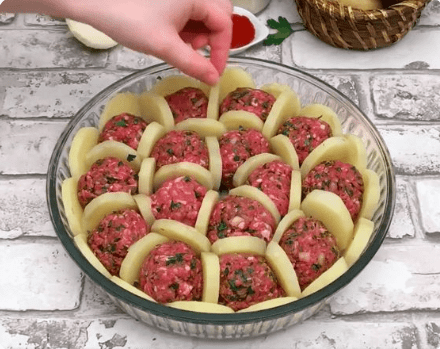
There’s something irresistibly comforting about a dish where you boil potatoes and slice them, arrange with meatballs and cheese and bake for a delicious French treat. This hearty preparation combines humble ingredients into an elegant meal that satisfies both the stomach and the soul. Whether you’re planning a cozy family dinner or looking to impress guests with minimal fuss, this French-inspired casserole delivers on every front.
Table of Contents
The Heritage Behind This Classic Comfort Dish
French cuisine has gifted the world countless techniques for transforming simple ingredients into extraordinary meals. This particular preparation draws inspiration from traditional gratins and casseroles found throughout French provincial cooking, where resourcefulness meets sophistication. The layering technique maximizes flavor while creating beautiful presentation, proving that everyday ingredients deserve thoughtful preparation.
Why This Recipe Works So Well
The genius lies in the combination of textures and flavors. Boiled potatoes provide a creamy, tender base that absorbs surrounding flavors. Savory meatballs add protein and richness, while melted cheese creates that golden, bubbly top layer everyone fights over. The baking process melds everything together, creating a cohesive dish greater than the sum of its parts.
Essential Ingredients for Your French-Style Casserole
Gathering quality ingredients makes all the difference in the final result. This recipe remains wonderfully flexible, allowing substitutions based on what’s available in your kitchen.
The Potato Foundation
Choose starchy potatoes like Russets or Yukon Golds for the best texture. You’ll need approximately two pounds for a standard family-sized casserole. These varieties hold their shape after boiling while developing a creamy interior that complements the other components beautifully.
Selecting Your Meatballs
Homemade meatballs offer superior flavor, but quality store-bought versions save considerable time. For homemade versions, combine one pound of ground beef with half a pound of ground pork. This blend provides ideal fat content for juicy, flavorful meatballs. Add breadcrumbs, an egg, minced garlic, fresh parsley, salt, and pepper to complete the mixture.
Cheese Choices That Elevate the Dish
Traditional French preparations might use Gruyère or Comté cheese, both offering nutty, complex flavors that melt beautifully. If these specialty cheeses prove difficult to find, a combination of sharp cheddar and mozzarella creates excellent results. Plan for approximately two cups of shredded cheese, divided between layers and topping.
Supporting Cast Ingredients
Don’t overlook the aromatics and seasonings that build depth. Fresh thyme, rosemary, or herbes de Provence add authentic French character. A splash of heavy cream or whole milk enriches the dish, while butter dots across the top promote golden browning.
Preparing Your Potatoes to Perfection
The potato preparation sets the foundation for success. Proper technique ensures they’re neither undercooked nor falling apart.
Boiling Basics
Wash potatoes thoroughly, leaving skins on for rustic appeal or peeling for refined presentation. Cut larger potatoes into uniform pieces for even cooking. Place in a large pot, cover with cold salted water, and bring to a boil over high heat. Reduce to a steady simmer and cook for fifteen to twenty minutes until fork-tender but not mushy.
The Slicing Technique
Once boiled and slightly cooled, slice potatoes into rounds approximately one-quarter inch thick. This thickness allows them to layer nicely while maintaining structure during baking. Consistent sizing ensures even cooking and professional appearance.
Crafting Flavorful Meatballs
Whether making from scratch or doctoring store-bought versions, attention here pays dividends in the final dish.
Homemade Meatball Method
Combine your ground meats in a large bowl with half cup of breadcrumbs, one beaten egg, three minced garlic cloves, two tablespoons of chopped fresh parsley, one teaspoon of salt, and half teaspoon of black pepper. Mix gently with your hands until just combined—overworking creates tough meatballs.
Roll mixture into balls slightly smaller than golf balls. This size ensures they cook through during baking without drying out. Brown meatballs in a skillet with olive oil for three to four minutes, turning to develop color on all sides. They don’t need to cook completely at this stage since they’ll finish in the oven.
Enhancing Store-Bought Options
If using pre-made meatballs, consider simmering them briefly in beef or chicken broth enriched with herbs. This quick step infuses additional flavor and ensures they’re moist when the final dish emerges from the oven.
Assembling Your Masterpiece
The layering process transforms individual components into a cohesive, beautiful casserole worthy of any French bistro.
Building the Foundation Layer
Preheat your oven to 375°F (190°C). Butter a nine-by-thirteen-inch baking dish or similar-sized casserole. Arrange half the sliced potatoes across the bottom in overlapping rows. Season with salt, pepper, and a sprinkle of fresh thyme or herbes de Provence.
Adding the Meatball Layer
Distribute your meatballs evenly across the potatoes. Nestle them into the potato layer slightly rather than simply placing them on top. This integration helps everything bake together harmoniously. Sprinkle half your cheese over and around the meatballs.
Creating the Top Layer
Cover with remaining potato slices, arranging them in attractive overlapping circles or rows. Pour half cup of heavy cream or whole milk over the entire dish, allowing it to seep into the layers. Top with remaining cheese, ensuring even coverage for that gorgeous golden crust.
Final Touches Before Baking
Dot the surface with small pieces of butter—about two tablespoons total. This promotes browning and adds richness. Give a final seasoning of salt, pepper, and herbs. Cover the dish with aluminum foil.
The Baking Process
Proper baking technique ensures everything cooks through while developing that irresistible golden top.
Initial Covered Baking
Place covered casserole in your preheated oven and bake for thirty minutes. This covered phase allows steam to build, cooking the potatoes through and melting the cheese layers without premature browning.
Uncovered Finish
Remove foil and continue baking for an additional twenty to twenty-five minutes. The exposed top will brown beautifully, cheese will bubble, and the edges will become slightly crispy. Watch during final minutes to prevent burning—every oven behaves slightly differently.
Testing for Doneness
The dish is ready when potatoes are fork-tender throughout, meatballs have reached a safe internal temperature of 160°F (71°C), and the top displays a gorgeous golden-brown color with bubbling cheese.
Serving Suggestions and Accompaniments
This substantial casserole shines as the centerpiece, but thoughtful accompaniments complete the meal.
Classic French Pairings
A simple green salad dressed with Dijon vinaigrette provides refreshing contrast to the rich casserole. The tangy dressing cuts through the cheese and meat beautifully. Consider adding butter lettuce, frisée, or mixed greens with fresh herbs.
Crusty French bread serves double duty—sopping up any cream that pools in the dish while adding textural variety. Warm the bread slightly and serve with quality butter.
Wine Pairing Recommendations
The hearty nature of this dish calls for medium-bodied red wines. A Côtes du Rhône offers fruit-forward flavors that complement both beef and cheese. Alternatively, a light Pinot Noir provides elegance without overwhelming the dish’s subtle seasonings.
Vegetable Sides
Roasted green beans with garlic or glazed carrots add color and nutritional balance. Keep vegetable preparations simple to let the casserole remain the star.
Make-Ahead and Storage Tips
This dish’s convenience extends beyond the dinner table, making it perfect for meal planning.
Advance Preparation
Assemble the entire casserole up to twenty-four hours ahead, cover tightly with plastic wrap, and refrigerate. When ready to bake, remove from refrigerator thirty minutes before cooking to take the chill off, then proceed with baking instructions, adding five to ten extra minutes to account for starting cold.
Freezing Instructions
This casserole freezes remarkably well. Assemble in a freezer-safe dish, wrap tightly with plastic wrap followed by aluminum foil, and freeze for up to three months. Thaw completely in the refrigerator overnight before baking as directed.
Reheating Leftovers
Cover individual portions with foil and reheat in a 350°F (175°C) oven for fifteen to twenty minutes until warmed through. Microwave reheating works in a pinch but may compromise the potato texture slightly.
Creative Variations to Try
Once you’ve mastered the basic technique, experimenting with variations keeps things interesting.
Mediterranean Twist
Swap beef for lamb meatballs seasoned with mint and oregano. Use feta cheese instead of Gruyère, and add sliced tomatoes between layers. Finish with a sprinkle of fresh parsley and lemon zest.
Morning Breakfast Version
Replace meatballs with cooked breakfast sausage, add beaten eggs mixed with milk poured over the layers, and include caramelized onions. This transforms the dish into a satisfying breakfast casserole perfect for brunch gatherings.
Vegetarian Adaptation
Substitute meatballs with roasted mushrooms or plant-based alternatives. Add layers of caramelized onions and wilted spinach for depth. Increase cheese slightly to compensate for the protein reduction.
Lighter Preparation
Use turkey or chicken meatballs instead of beef and pork. Substitute half-and-half for heavy cream, and reduce cheese quantity by one-third. The dish remains satisfying while cutting calories and fat.
Troubleshooting Common Issues
Even straightforward recipes occasionally present challenges. Here’s how to address them.
Watery Results
If your finished casserole seems soupy, you likely used too much liquid or didn’t bake long enough. Next time, reduce cream to one-third cup and ensure the uncovered baking phase browns the top thoroughly, allowing excess moisture to evaporate.
Dry Texture
Insufficient liquid or overbaking causes dryness. Make sure potatoes are fork-tender before assembly, and don’t skip the cream layer. If you notice the top browning too quickly, tent with foil while the interior finishes cooking.
Uneven Cooking
This typically results from inconsistent potato slicing or casserole dishes that are too deep. Keep slices uniform and use wider, shallower baking dishes for more even heat distribution.
Bland Flavor
Under-seasoning is the most common culprit. Don’t be shy with salt, pepper, and herbs. Remember that potatoes absorb significant seasoning, so taste your meatball mixture before forming and adjust accordingly.
Nutritional Considerations
Understanding the nutritional profile helps fit this dish into various dietary approaches.
Caloric Content
A typical serving contains approximately 450-550 calories, depending on cheese quantity and meatball composition. The dish provides substantial protein, carbohydrates, and fat, making it a complete meal.
Boosting Nutritional Value
Add layers of thinly sliced vegetables like zucchini or bell peppers between potatoes for extra vitamins and fiber. Use lean ground turkey for meatballs to reduce saturated fat. Choose lower-fat cheese options if monitoring fat intake.
Portion Control
The richness of this casserole means a little goes a long way. Serve moderate portions alongside generous salads and vegetables for balanced nutrition.
Why This Dish Deserves a Place in Your Rotation
Beyond its delicious taste, this French-inspired casserole offers practical advantages for modern home cooks.
The technique of layering simple ingredients creates impressive results without requiring advanced culinary skills. Everyone from beginners to experienced cooks can achieve success with this forgiving recipe.
Make-ahead convenience means you can prepare during calm moments and bake when schedules get hectic. The dish travels well for potlucks and feeds a crowd economically.
Most importantly, this casserole brings people together around the table. The comforting aromas that fill your kitchen while it bakes and the satisfaction on faces taking that first bite make every step worthwhile.
Embracing French Provincial Cooking Philosophy
This recipe embodies the French provincial approach to cooking—taking modest ingredients seriously and treating their preparation with care and respect. When you boil potatoes and slice them, arrange with meatballs and cheese and bake for a delicious French treat, you’re not just making dinner. You’re participating in a culinary tradition that values both substance and presentation, economy and elegance.
The beauty lies in the accessible simplicity. No exotic ingredients, no complicated techniques, just honest food prepared thoughtfully. This philosophy transforms everyday cooking from a chore into a satisfying creative act.
Whether feeding your family on a Tuesday evening or hosting friends for a casual weekend gathering, this golden, bubbling casserole delivers comfort and flavor in equal measure. Master this basic technique, and you’ll find yourself returning to it again and again, making it your own with each preparation.
