Preparing Your Pasta
Bring a large pot of salted water to a rolling boil. Add the pasta and cook for 6-7 minutes, until just shy of al dente. The pasta should still have a slight firmness when you bite into it. Drain thoroughly but don’t rinse—the starch coating helps the sauce adhere better.
Creating the Cheese Sauce
In a large saucepan, melt the butter over medium heat. Once foaming, add the flour and whisk constantly for about 2 minutes. This cooking time removes the raw flour taste while creating a base that will thicken your sauce beautifully.
Gradually pour in the milk while whisking continuously. This prevents lumps from forming. Continue whisking as the mixture heats up, and you’ll notice it beginning to thicken after about 5-7 minutes. When the sauce coats the back of a spoon, you’ve reached the right consistency.
Remove the pan from heat—this step is crucial. Add the Dijon mustard, garlic powder, onion powder, and seasonings, stirring to incorporate. Then add your shredded cheeses in three separate additions, stirring until each batch melts completely before adding more.
Combining and Baking
Preheat your oven to 350°F. Butter a 9×13-inch baking dish or spray it with cooking spray. Pour the cooked pasta into the cheese sauce and stir gently until every piece is coated.
Transfer the mixture to your prepared baking dish, spreading it evenly. In a small bowl, combine the panko breadcrumbs, melted butter, and Parmesan cheese. Sprinkle this mixture evenly over the top of the mac and cheese.
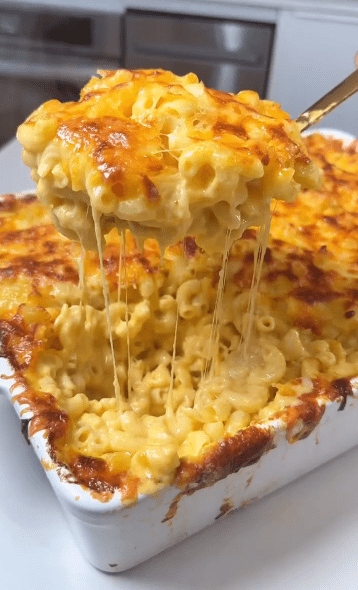
Bake for 25-30 minutes, until the top is golden brown and the edges are bubbling. If you want an extra-crispy top, run the dish under the broiler for the final 2-3 minutes, watching carefully to prevent burning.
Let the dish rest for 5-10 minutes before serving. This resting period allows the sauce to thicken slightly and makes serving much easier.
Creative Variations to Keep Things Interesting
Southern-Style Soul Food Version
Transform your baked mac and cheese into a Southern classic by adding eggs to create an almost custard-like texture. Mix 2 beaten eggs into your cheese sauce before combining with the pasta. Use a combination of sharp cheddar and Velveeta for that signature smoothness, and top with crushed Ritz crackers instead of breadcrumbs.
Gourmet Truffle Mac and Cheese
Elevate your dish to fine-dining status with these simple additions. Stir in 1-2 teaspoons of truffle oil just before baking, and use a blend of Gruyère, fontina, and aged white cheddar. Top with fresh breadcrumbs mixed with truffle salt for an elegant presentation that impresses dinner guests.
Protein-Packed Additions
Turn baked mac and cheese into a complete meal by stirring in cooked proteins. Crispy bacon pieces, shredded rotisserie chicken, or chunks of lobster all work beautifully. Add these after combining the pasta with the cheese sauce but before transferring to the baking dish.
Vegetable-Enhanced Versions
Sneak in some nutrition without sacrificing flavor by adding roasted vegetables. Broccoli florets, caramelized onions, roasted tomatoes, or sautéed mushrooms all complement the cheesy richness. Just make sure vegetables are cooked and well-drained before adding them to prevent excess moisture.
Common Mistakes and How to Avoid Them
The Dry Mac and Cheese Disaster
Nothing disappoints quite like a dry, crumbly baked mac and cheese. This usually happens when the cheese sauce is too thick to begin with or when the dish bakes too long. Ensure your sauce is slightly thinner than you think it should be—it will thicken during baking.
If you’re making the dish ahead and refrigerating it, add an extra half cup of milk before baking. The cold pasta absorbs sauce while sitting, and this additional liquid compensates for that absorption.
Grainy, Separated Cheese Sauce
This frustrating problem occurs when cheese is added to sauce that’s too hot or when heat is too high. Always remove the pan from the burner before adding cheese, and return it to low heat only if necessary to help the last bits melt.
Using pre-shredded cheese can also cause graininess due to the anti-caking additives. Spend the extra few minutes shredding your own cheese—the difference is remarkable.
Burnt or Soggy Topping
The topping should be crispy and golden, not burnt or soggy. Mix your breadcrumbs with melted butter before sprinkling them on top—this helps them crisp up evenly. If your topping is browning too quickly, tent the dish loosely with foil and remove it for the last 10 minutes of baking.
For extra insurance against sogginess, toast your breadcrumbs in a dry skillet for a few minutes before mixing with butter and cheese.
Make-Ahead and Storage Strategies
Preparing in Advance
Baked mac and cheese is an excellent make-ahead dish, perfect for busy schedules or entertaining. Prepare the entire recipe through combining the pasta with cheese sauce and adding the topping, but stop before baking. Cover tightly with plastic wrap and then aluminum foil, and refrigerate for up to 24 hours.
When ready to bake, let the dish sit at room temperature for 30 minutes while the oven preheats. Add 10-15 minutes to the baking time to account for starting with a cold dish.
Freezing for Later
This comfort food freezes remarkably well. Prepare the recipe completely but don’t add the breadcrumb topping yet. Cover tightly with plastic wrap and then heavy-duty aluminum foil, label with the date, and freeze for up to 3 months.
Thaw overnight in the refrigerator, then add the breadcrumb topping and bake as directed, adding a few extra minutes if needed. You can also bake from frozen—just cover with foil for the first hour at 350°F, then uncover, add topping, and bake for an additional 30-40 minutes.
Storing Leftovers
Store leftover baked mac and cheese in an airtight container in the refrigerator for up to 4 days. Reheat individual portions in the microwave, adding a splash of milk to restore creaminess. For larger portions, reheat covered in a 350°F oven for about 20 minutes.
Serving Suggestions and Pairings
What to Serve Alongside
Baked mac and cheese is rich and indulgent, so balance it with lighter sides. A crisp green salad with vinaigrette cuts through the richness beautifully. Roasted or steamed green beans, asparagus, or Brussels sprouts provide nice textural contrast.
For a Southern-style meal, serve alongside barbecue, coleslaw, and cornbread. For a more casual dinner, pair it with simple grilled chicken and roasted broccoli.
Portion Sizes and Serving
As a side dish, plan on about 3/4 cup per person. As a main course, figure 1.5 to 2 cups per person. Use a large serving spoon and let each portion include some of that coveted crispy topping.
Serve directly from the baking dish for a family-style presentation, or for more elegant occasions, use a large spoon to plate individual portions, making sure each serving includes both creamy interior and crispy top.
Why This Dish Never Goes Out of Style
Baked mac and cheese has endured through generations because it delivers something we all need: comfort, satisfaction, and the feeling of being cared for. It’s the dish that turns a regular Tuesday into something special and makes holiday tables feel complete.
The beauty lies not just in the cheesy, creamy perfection, but in the memories created around it. Kids ask for it on birthdays, adults crave it after long days, and everyone requests the recipe after tasting a particularly good version.
Mastering baked mac and cheese means you’ll always have a crowd-pleaser in your cooking repertoire. It’s forgiving enough for beginners yet offers enough room for creativity that experienced cooks never tire of making it. Once you’ve perfected your version, you’ll find yourself making it again and again—and that’s exactly as it should be.
The secret to the best baked mac and cheese isn’t really a secret at all. It’s about using quality ingredients, taking time to build proper flavor, and putting a little love into every step. Do that, and you’ll create more than just a delicious dish—you’ll create something that brings people together and makes ordinary moments feel special.
