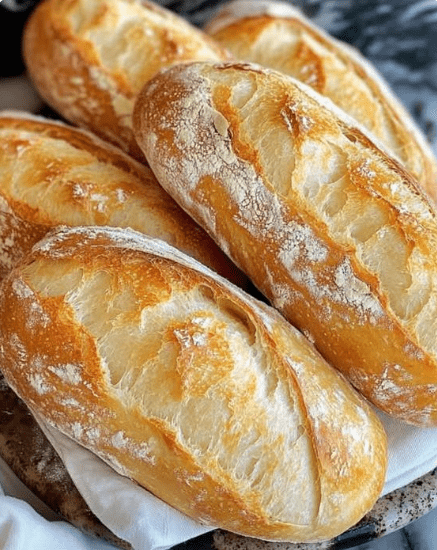
The Quality Difference You Can Actually Taste
Store-bought bread contains a laundry list of ingredients designed to extend shelf life and maintain softness during transportation and storage. Preservatives, dough conditioners, added sugars, and emulsifiers all serve industrial purposes but do nothing for flavor or nutrition.
When you make bread at home, you control every ingredient. The result tastes like actual bread—complex, slightly sweet from the fermentation process, with nuanced flavors that develop during rising and baking. It’s not just better bread; it’s an entirely different product.
The Simple Recipe That Started It All
Ingredients You Need
- 3 cups all-purpose flour or bread flour
- 1½ teaspoons salt
- 2 teaspoons instant yeast
- 1½ cups warm water (around 110°F)
- 1 tablespoon honey or sugar
- 2 tablespoons olive oil or melted butter
Optional Enhancements
- 2 tablespoons seeds (sesame, sunflower, or flax)
- 1 tablespoon dried herbs (rosemary, thyme, or oregano)
- ½ cup whole wheat flour (replace ½ cup of all-purpose)
Step-by-Step Instructions for Perfect Bread
Activating Your Yeast
Start by warming your water to the right temperature—this is crucial. Too hot, and you’ll kill the yeast. Too cold, and it won’t activate properly. The water should feel comfortably warm on your wrist, like bathwater for a baby.
Pour the warm water into a large mixing bowl. Add your honey or sugar and stir until dissolved. Sprinkle the yeast over the surface and let it sit undisturbed for about five minutes. You’ll know it’s ready when the mixture becomes foamy and slightly bubbly on top. This foam proves your yeast is alive and ready to make your bread rise.
Mixing the Dough
Add the salt and olive oil to your yeast mixture, stirring briefly to combine. Begin adding flour one cup at a time, stirring with a wooden spoon after each addition. After you’ve added about two cups, the mixture will start coming together into a shaggy dough.
Add the remaining flour gradually. You might not need all of it, or you might need a tablespoon or two more depending on humidity and flour type. The dough should pull away from the sides of the bowl and feel slightly sticky but not wet.
The Kneading Process
Turn your dough out onto a lightly floured surface. This is where the magic really happens. Kneading develops gluten, which gives bread its structure and that beautiful chewy texture.
Push the dough away from you with the heels of your hands, then fold it back over itself. Give it a quarter turn and repeat. Find a rhythm—push, fold, turn. It’s almost meditative once you get into it.
Knead for about eight to ten minutes. You’ll notice the dough transforming from rough and sticky to smooth and elastic. When it’s ready, it should bounce back when you poke it with your finger and feel soft like your earlobe.
First Rise
Lightly oil a clean bowl and place your kneaded dough inside, turning it once to coat all surfaces with oil. This prevents a dry skin from forming on top. Cover the bowl with a clean kitchen towel or plastic wrap.
Place it somewhere warm and draft-free. I use my oven with just the light on—the gentle warmth from the bulb creates an ideal environment. Let the dough rise until it doubles in size, typically 60 to 90 minutes.
The rising time varies based on room temperature. Cooler kitchens take longer; warmer kitchens speed things up. Don’t rush this step—proper fermentation develops flavor.
Shaping Your Loaf
Once doubled, punch down the dough with your fist to release the gas bubbles. Turn it out onto your work surface and shape it according to your preference.
For a simple loaf, flatten the dough into a rectangle roughly the length of your bread pan. Roll it up tightly from one short end, pinching the seam closed. Tuck the ends under and place seam-side down in a greased 9×5-inch loaf pan.
For a round loaf, shape the dough into a ball by pulling the edges toward the center, then flip it over and cup your hands around it, rotating to create tension on the surface.
Second Rise and Preparation
Cover your shaped loaf and let it rise again until nearly doubled, about 30 to 45 minutes. Meanwhile, preheat your oven to 375°F. This second rise is shorter but equally important for achieving proper texture.
Just before baking, you can brush the top with water, milk, or beaten egg for different finishes. Water creates a crispy crust, milk gives a softer golden top, and egg wash produces a shiny, professional-looking finish.
For an artisan touch, slash the top of your loaf with a sharp knife or razor blade. These cuts aren’t just decorative—they allow the bread to expand properly during baking rather than bursting randomly.
Baking to Golden Perfection
Place your loaf in the preheated oven and bake for 30 to 35 minutes. The bread is done when it’s deeply golden brown on top and sounds hollow when you tap the bottom.
For extra confirmation, use an instant-read thermometer—the internal temperature should reach 190-200°F. This ensures the center is fully baked and won’t be gummy.
Remove the loaf from the pan immediately and let it cool on a wire rack. I know it’s tempting to slice right away, but try to wait at least 15 minutes. Cutting too soon releases steam that should stay inside, affecting texture.
Why This Recipe Works Every Time
The Perfect Ratio
This recipe uses a time-tested ratio of ingredients that reliably produces excellent bread. The amount of yeast provides good rise without an overly yeasty flavor. The hydration level creates dough that’s easy to handle while still producing tender bread.
Forgiving Nature
Unlike some baking that requires precision, bread has a forgiving nature. Your kitchen temperature variations, minor measurement differences, and handling style all create subtle variations, but the bread still turns out well. This makes it perfect for beginners.
Versatility
Once you master this basic recipe, it becomes a canvas for endless variations. The fundamental technique remains the same, but you can adapt flavors, shapes, and textures to suit any meal or craving.
Common Mistakes and How to Avoid Them
Killing the Yeast
The most frequent error is using water that’s too hot. Yeast dies at temperatures above 120°F. Always check water temperature before adding yeast. If you’re unsure, err on the cooler side—yeast will activate more slowly in cooler water, but at least it won’t die.
Not Kneading Enough
Under-kneaded dough lacks structure and produces dense, crumbly bread. Proper kneading takes time, but it’s essential. Set a timer for ten minutes and keep going even when your arms get tired. The workout is worth it.
Rushing the Rise
Impatience during rising leads to dense bread without proper flavor development. If your kitchen is cold and the dough isn’t rising as quickly as expected, just give it more time. Slow fermentation actually improves flavor.
Opening the Oven Too Soon
Resist the urge to check on your bread before the minimum baking time. Opening the oven releases heat and can cause bread to collapse. Trust the process and only check once you’re near the estimated completion time.
The Economics of Baking Your Own Bread
Cost Breakdown
A homemade loaf costs approximately 50 to 75 cents in ingredients. Compare that to quality bakery bread at four to six dollars per loaf, and the savings become obvious. Even comparing to inexpensive store bread at two to three dollars, you’re still saving money while getting superior quality.
Time Investment
The active hands-on time for making bread is only about 20 minutes. Yes, total time from start to finish is three hours, but most of that is passive rising time when you’re doing other things. It’s not three hours of work—it’s 20 minutes of work spread across three hours.
The Intangible Value
Beyond monetary savings, consider the value of knowing exactly what you’re eating, the satisfaction of creating something from scratch, and the incredible aroma that fills your home. These benefits don’t show up on a balance sheet but add real quality to your life.
Variations to Keep Things Interesting
Whole Wheat Goodness
Replace up to half the all-purpose flour with whole wheat flour for heartier, more nutritious bread. Whole wheat absorbs more liquid, so you might need to add an extra tablespoon or two of water. The flavor becomes nuttier and more complex.
Herb and Cheese Bread
Knead in two tablespoons of dried herbs (rosemary, thyme, or Italian seasoning) and a cup of shredded cheese during the final stages of kneading. This creates savory bread perfect for sandwiches or serving alongside pasta.
Sweet Cinnamon Swirl
Roll your dough into a rectangle, brush with melted butter, and sprinkle with cinnamon sugar before rolling it up. This transforms basic bread into something special for breakfast or snacks.
Seeded Crust
Before the second rise, brush the shaped loaf with water and roll it in a mixture of seeds—sesame, poppy, sunflower, or flax. This adds texture, nutrition, and visual appeal.
Storage Solutions for Homemade Bread
Room Temperature Storage
Homemade bread lacks preservatives, so it won’t last as long as store-bought varieties. Store it in a paper bag or bread box at room temperature for two to three days. Never use plastic bags at room temperature—they trap moisture and create a perfect environment for mold.
Freezing for Later
Bread freezes exceptionally well. Once completely cooled, slice the loaf and freeze it in a freezer bag with as much air pressed out as possible. Individual slices can be toasted directly from frozen, making morning routines easy.
Whole loaves can be frozen too. Wrap tightly in plastic wrap, then aluminum foil. Thaw at room temperature for several hours or overnight.
Reviving Day-Old Bread
If your bread has become slightly stale, sprinkle it lightly with water and heat in a 350°F oven for five to ten minutes. This brief reheating refreshes the crust and softens the interior, making it taste nearly fresh-baked again.
Tools That Make Bread Baking Easier
Essential Equipment
You need surprisingly little to make excellent bread. A mixing bowl, measuring cups and spoons, a wooden spoon, and a loaf pan cover the basics. Everything else is optional.
Nice-to-Have Additions
A stand mixer with a dough hook eliminates the physical work of kneading, though I still prefer doing it by hand for the sensory connection to the process. A kitchen scale allows for more precise measurements, especially important if you start experimenting with different types of flour.
A banneton basket creates beautifully shaped round loaves with attractive scoring patterns. A Dutch oven produces bakery-quality crusty artisan loaves by trapping steam during baking.
Teaching Kids to Bake Bread
Educational Value
Bread making teaches children about science (yeast fermentation), math (measuring ingredients), patience (waiting for rises), and the satisfaction of creating something useful. It’s hands-on learning that produces delicious results.
Age-Appropriate Tasks
Young children can measure ingredients, stir the dough, and punch it down after rising. Older kids can handle the entire process with supervision. The kneading especially appeals to children who enjoy hands-on activities.
Building Confidence
Successfully making bread builds genuine confidence. Unlike many modern activities where results come instantly and easily, bread requires effort, patience, and following directions. When it works, kids experience real accomplishment.
The Ritual and Rhythm of Bread Baking
Creating a Weekend Tradition
I bake bread most Saturday mornings. It’s become a ritual that marks the transition from the work week to leisure time. The process itself is meditative—the rhythmic kneading, the waiting, the checking—creates a peaceful space in my day.
Connecting to History
Bread baking connects us to thousands of years of human history. The basic process I use is essentially unchanged from what bakers have done for millennia. There’s something grounding about participating in such an ancient tradition.
Slowing Down
In our hurried modern world, bread baking forces you to slow down. You can’t rush yeast. You can’t microwave proper fermentation. It operates on its own timeline, and you have to adjust yours to match. This enforced patience is surprisingly refreshing.
When Homemade Becomes the New Normal
After this recipe, you will no longer buy bread because homemade becomes not just possible but preferable. The first few loaves might seem special, but soon enough, freshly baked bread becomes your new normal. Store-bought bread starts tasting flat and artificial in comparison.
You’ll find yourself planning ahead to ensure you always have homemade bread available. You’ll start seeing opportunities to use bread-making time productively—starting a load while you work from home, timing it so the house smells amazing when guests arrive, or baking on lazy Sunday mornings.
The transformation from buying bread to making bread isn’t just about the product—it’s about reclaiming a basic life skill and experiencing the deep satisfaction that comes from creating real food with your own hands. Once you’ve experienced that, there’s simply no going back to the store-bought version.
Give this recipe a try this weekend. Mix the dough, knead it with your hands, watch it rise and transform, smell it baking, and finally taste that first slice while it’s still warm. I promise you’ll understand exactly why after this recipe, you will no longer buy bread—you’ll make it yourself at home, and you’ll wonder why you ever did anything else.
