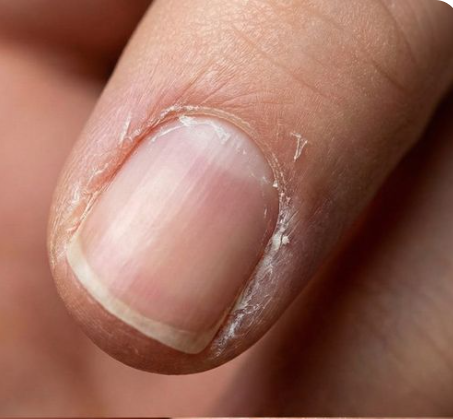
If you have these lines on your nails after 40, it is a clear sign that your body is undergoing natural physiological shifts that often manifest in the texture of your keratin. While we often focus on skin wrinkles or silvering hair as the primary markers of aging, our fingernails are actually sophisticated biological canvases that reflect our internal health and nutritional status. Those vertical ridges—the thin, raised lines running from the cuticle to the tip—are a common sight for many people hitting their fourth decade, but understanding what they truly signify can help you better support your well-being.
Table of Contents
The Science Behind Vertical Nail Ridges
If you have these lines on your nails after 40, it is a clear sign that the cell turnover rate in your nail matrix is beginning to slow down. Just as the skin loses its ability to retain moisture and elasticity over time, the “factory” that produces your nails becomes less efficient. These lines, medically known as longitudinal striations or onychorrhexis, are essentially the “wrinkles of the nail.”
The nail plate is composed primarily of keratin, a hardy protein. As we age, the body’s ability to distribute oils and moisture to the extremities often diminishes. When the nail plate lacks its youthful level of lubrication, it doesn’t grow in a perfectly smooth, uniform sheet. Instead, it develops these subtle grooves. Think of it like a garden hose: when the water pressure (or in this case, nutrient and moisture flow) is high, the surface remains taut and smooth; when it drops, the structure begins to show its internal ribbing.
Distinguishing Between Normal Aging and Health Alerts
It is crucial to distinguish between vertical ridges and horizontal ones. Vertical ridges—the ones that run the length of the finger—are almost always benign signs of the passage of time ⏳. However, if the texture is accompanied by extreme brittleness, splitting at the ends, or a sudden change in color, it may be a sign that your body is craving specific micronutrients.
In many cases, these lines indicate a slight deficiency in B-vitamins, particularly Biotin (B7), or minerals like iron and zinc. Because the body prioritizes vital organs like the heart and liver, the nails and hair are often the first places to “lose” their nutrient supply when levels are low. If you notice the ridges becoming very deep or if the nail becomes concave (spoon-shaped), it is a clear signal to check your iron levels with a professional.
How to Restore and Protect Your Nails
While you cannot entirely stop the biological clock, you can certainly minimize the appearance of these lines and strengthen the nail structure. If you have these lines on your nails after 40, it is a clear sign that your current hydration and protection routine might need an upgrade.
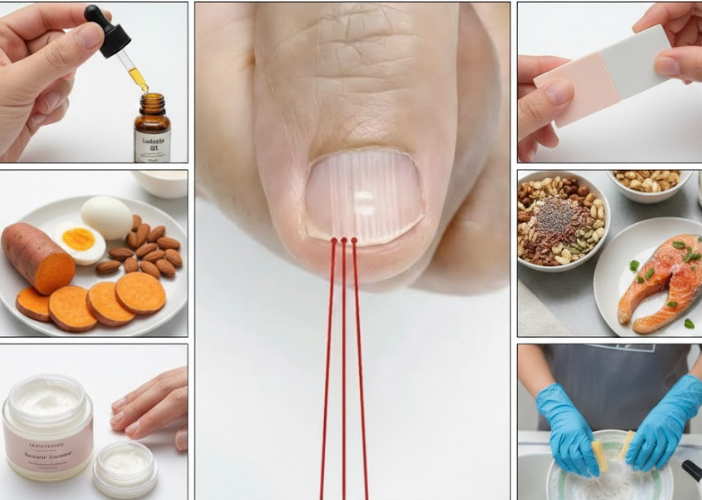
- Hydration from the Inside Out: Increasing your intake of healthy fats, such as Omega-3 fatty acids found in walnuts, flaxseeds, and salmon, can help lubricate the nail matrix.
- External Moisture: Applying a high-quality cuticle oil or simple jojoba oil every night can penetrate the nail plate and “fill in” the microscopic gaps that cause the ridged appearance.
- Gentle Buffing: You can use a soft four-way buffer to gently smooth the surface of the nail. However, be cautious not to over-buff, as this can thin the nail plate and make it more prone to breaking 💅.
- Protective Barriers: Wear gloves when using harsh cleaning chemicals or washing dishes. Water-loged nails expand and then contract as they dry, which worsens the ridging and leads to “peeling” at the tips.
The Role of Collagen and Protein
Since nails are made of protein, your dietary protein intake plays a massive role in their appearance. After 40, our natural collagen production drops significantly. Many people find that supplementing with collagen peptides or increasing their consumption of bone broths and lean proteins helps “re-fill” the nail bed, resulting in a smoother growth pattern over several months. It takes about six months for a fingernail to grow from the cuticle to the tip, so patience is key when trying new nutritional habits.
When to Seek a Second Opinion
While 90% of vertical ridging is simply a part of getting older, you should always be observant of “Beau’s Lines.” These are horizontal indentations that run across the nail. Unlike vertical lines, horizontal ridges can be a sign of a systemic interruption in nail growth caused by a high fever, severe stress, or uncontrolled diabetes. If you see a deep “ditch” running horizontally across all ten nails, it’s a sign that your body recently went through a significant “stress event” and diverted all energy away from nail production to focus on survival.
Practical Daily Tips for Smooth Nails
- Skip the Acetone: Use soy-based or non-acetone polish removers. Acetone is a powerful solvent that strips every bit of natural oil from the nail, making ridges look much deeper and more pronounced.
- Biotin-Rich Foods: Incorporate eggs, almonds, and sweet potatoes into your weekly meal prep. These are natural powerhouses for keratin production 🥗.
- The “Soak and Seal” Method: After a shower, when your nails are soft, apply a thick moisturizer or petroleum jelly to lock in the water molecules before they evaporate.
Final Thoughts on Nail Health
If you have these lines on your nails after 40, it is a clear sign that you are entering a new chapter of self-care. It isn’t something to fear, but rather a nudge from your body to slow down, hydrate, and perhaps add a few more nutrients to your plate. Our nails are often the “canaries in the coal mine” for our general health—listen to what they are telling you!
Do you notice these lines more during the winter months, or have you found a specific cream that makes them disappear?
Summary: Vertical nail ridges are a natural part of the aging process related to cell turnover and moisture loss. By focusing on hydration, protective habits, and a protein-rich diet, you can maintain strong, healthy, and beautiful nails well into your 40s and beyond. Feel free to share your favorite nail care tips in the comments! ✨
