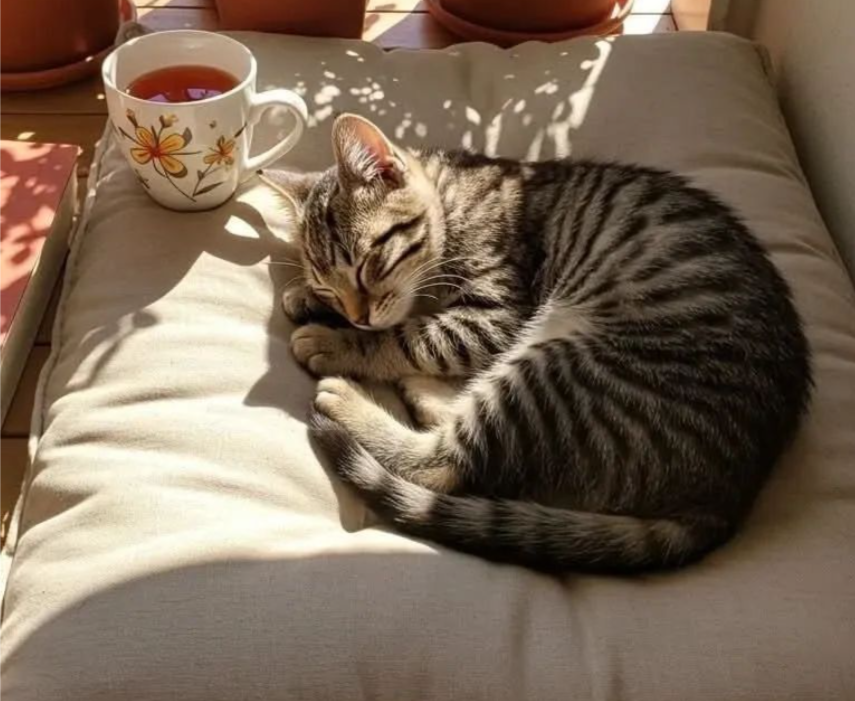
Why should you welcome a feline friend into your living space? It is a question many people ask before taking the plunge into pet ownership, but for those who already share their homes with these graceful creatures, the answer is written in every purr and playful pounce. Having a cat at home is about more than just having a pet; it is about inviting a unique kind of companionship that transforms the very atmosphere of your household.
While cats are often unfairly labeled as aloof or independent to a fault, the reality of living with them is far more nuanced. They are masters of the “quiet presence,” offering a type of support that is both low-maintenance and deeply rewarding. From the rhythmic vibration of a cat sleeping on your lap to the entertaining antics of a kitten chasing a laser pointer, the secret behind their appeal lies in their ability to balance wild instincts with domestic affection. 🐱
Table of Contents
The Evolutionary Bond Between Cats and Humans
To understand why cats make such excellent roommates, we have to look back at the history of our relationship with them. Unlike dogs, which were bred for specific tasks like hunting or guarding, cats largely “self-domesticated.” Roughly 10,000 years ago, in the Near East, wildcats began loitering around early human settlements to hunt the rodents attracted to grain stores. Humans realized these sleek hunters were effective pest control, and a beautiful friendship was born.
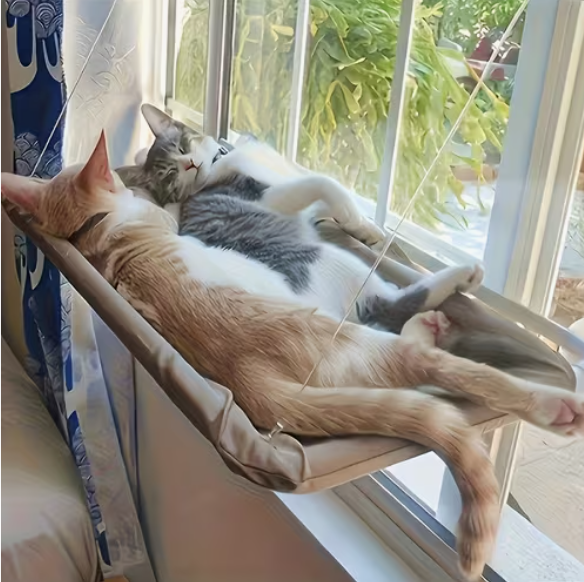
This history has left us with a companion that is remarkably self-sufficient. Cats do not require the constant outdoor exercise or social validation that some other pets do. They are perfectly content to observe the world from a windowsill, yet they possess a keen emotional intelligence that allows them to bond deeply with their “chosen” humans. This balance of independence and loyalty is the cornerstone of why they fit so seamlessly into modern, busy lifestyles.
The Secret Psychological Perks of Feline Company
There is a genuine “secret” to having cats in your house that goes beyond simple companionship: they are scientifically proven stress-busters. Studies have shown that the frequency of a cat’s purr—typically between 25 and 150 Hertz—can actually help lower human blood pressure and promote healing in bones and soft tissues. 🐾
When you sit down after a long day and your cat jumps up to greet you, your body undergoes a physiological shift. The act of stroking a cat’s fur triggers the release of oxytocin, the “cuddle hormone,” which reduces cortisol levels. This makes cats an ideal companion for anyone dealing with anxiety or high-stress environments. They don’t demand a conversation; they simply offer a calming presence that grounds you in the present moment.
Furthermore, cats provide a sense of routine. Even if you feel like doing nothing, the soft “meow” reminding you it is breakfast time gives you a reason to get up and keep moving. For children, growing up with a cat can teach empathy and gentle handling, while for seniors, a cat provides a vital sense of purpose and a cure for loneliness without the physical strain of walking a large dog.
Practical Benefits of the Indoor Hunter
Beyond the emotional and historical connections, the practical advantages of having a cat are numerous. They are remarkably clean animals, spending up to half of their waking hours grooming themselves. This means they rarely need baths and generally don’t carry a “doggy” odor.
- Pest Control: Even the fluffiest lap cat hasn’t lost its predatory instinct. A cat in the house is a natural deterrent for spiders, flies, and rodents.
- Space Efficiency: Cats are “vertical” animals. They don’t need a massive backyard; a few well-placed shelves or a tall cat tree allow them to feel right at home even in a small apartment.
- Low Impact: Cats are generally quiet. They won’t wake the neighbors by barking at the mailman, making them the perfect choice for urban dwellers.
It is also worth noting that cats are incredibly adaptable. Whether you are a night owl or an early riser, your cat will eventually find a way to sync their schedule with yours, becoming a silent partner in your daily rituals. 🏠
Navigating the Responsibilities of Cat Ownership
While the benefits are vast, the secret to a happy cat home is understanding their specific needs. To truly reap the rewards of feline friendship, a homeowner must provide a stimulating environment. This includes scratching posts to protect furniture, a clean litter box (kept in a quiet location), and regular veterinary check-ups.
One common misconception is that cats don’t need play. On the contrary, engaging your cat in 15 minutes of “hunting” play with a feather wand daily can prevent behavioral issues and keep them physically fit. Providing high-quality nutrition—rich in protein and free of fillers—ensures they live a long, healthy life by your side.
Why the Feline Choice is the Best Choice
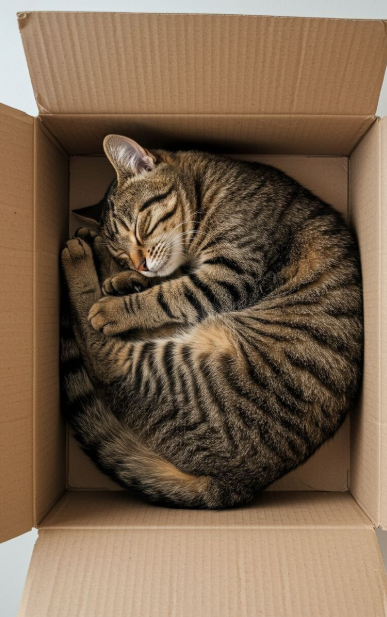
Ultimately, a house is just a building, but a house with a cat is a home. They bring a sense of life and character to every room they enter. Whether they are performing an acrobatic leap or curled up into a tight “cinnamon roll” on your bed, their presence adds a layer of warmth that is hard to replicate.
They teach us the value of patience, the importance of a good nap, and the joy of finding wonder in the smallest things—like a stray bottle cap or a sunbeam on the floor. The bond you form with a cat is one of mutual respect; you don’t own a cat so much as you enter into a partnership with one. 🐈
Do you think your home is ready for a little more fur and a lot more personality?
In summary, choosing to live with a cat is an investment in your well-being. From the physiological benefits of their purr to the practical ease of their care, cats offer a unique blend of mystery and affection. If you are looking for a loyal friend who respects your space but loves your company, the feline path is the one to take. Encouraging a cat into your life might just be the best decision you make this year.
