
Scones 8 cups of flour — that sounds like a serious baking session! Whether you’re planning an epic afternoon tea party, catering a small event, or simply want to stock your freezer with perfectly light and fluffy treats, learning how to scale up your favorite scone recipe is a game-changer. Baking in large batches requires attention to detail, as simply multiplying ingredients isn’t always enough. We’re talking about producing dozens of golden-crusted, tender-crumbed delights from one enormous measure of dry mix.
Table of Contents
This scale is perfect for those who believe more is definitely merrier when it comes to clotted cream and jam! We’ll guide you through handling such a substantial quantity of ingredients to ensure every scone comes out as perfect as the last.
🧐 The Challenge of the Big Batch
Working with 8 cups of flour is far different than making a small batch with just two. The main challenge is consistency. Achieving that classic crumb requires keeping the fat cold and handling the dough as little as possible. When you have a massive bowl of ingredients, it takes extra effort and time to cut the butter into the flour evenly without warming it up. For this reason, many professional bakers rely on a food processor for the initial sand-like texture when scaling up, or they use very cold hands and a large pastry blender. Remember, warmth is the enemy of a flaky scone!
👩🍳 Recipe: Classic British Scones (Yields approx. 32-36 scones)
This recipe is designed to manage the large volume of ingredients effectively, ensuring a consistent rise and texture across the entire batch.
Ingredients
- Dry Ingredients:
- 8 cups (about 1kg) Self-Raising Flour (or use All-Purpose Flour plus 4 tablespoons of baking powder)
- 1/2 cup Granulated Sugar
- 1 teaspoon Salt
- Wet Ingredients & Fat:
- 1 cup (2 sticks / 225g) Cold Unsalted Butter, diced into small cubes
- 4 cups Cold Buttermilk or Whole Milk (you may need a little more or less)
- For Finishing:
- 1 large Egg, beaten with a splash of milk (for egg wash)
Preparation Steps
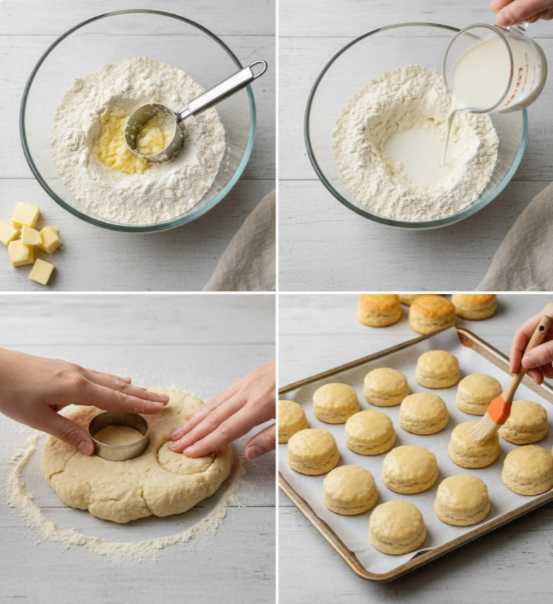
1. Combine Dry Ingredients: In a very large bowl, whisk together the flour, sugar, and salt. Make sure it’s evenly distributed.
2. Cut in the Butter: Add the cold, diced butter to the flour mix. Using a pastry cutter, two knives, or your fingertips (work quickly!), cut the butter into the flour until the mixture resembles coarse breadcrumbs. It is crucial that the butter remains very cold ❄️.
3. Add Wet Ingredients: Create a well in the center and pour in the cold buttermilk or milk. Using a butter knife or a wooden spoon, quickly mix until the dough just comes together. Do not overmix; a shaggy, slightly sticky dough is what you are aiming for.
4. Shape the Dough: Turn the dough out onto a lightly floured surface. Gently pat it down to a thickness of about 1 inch (2.5 cm). Avoid kneading! Use a 2-inch or 2.5-inch round cutter to stamp out the scones. Push the cutter straight down without twisting for the best rise.
5. Bake: Place the cut dough rounds onto baking sheets lined with parchment paper. Brush the tops with the egg wash (avoiding the sides to allow a better ‘split’). Bake in a preheated oven at 400°F (200°C) for 12–15 minutes, or until they are well-risen and golden brown on top.
✨ Tips for a Flawless Result
When scaling up to Scones 8 cups of flour, ensure your oven is truly at temperature and avoid overcrowding the baking trays. Giving the scones space allows the heat to circulate evenly, which is essential for uniform baking. Also, remember the quality of your ingredients matters, particularly the freshness of the flour and baking powder, as this directly impacts the rise. Properly baked scones should have a satisfying lift and a slightly cracked surface—often called the “fault line”—indicating a perfect texture inside. 😋
❓ What’s Your Preference?
This enormous batch ensures you have plenty to share. Will you go the traditional route with strawberry jam and clotted cream, or do you prefer a dollop of lemon curd? Let us know your ultimate scone topping combination!
