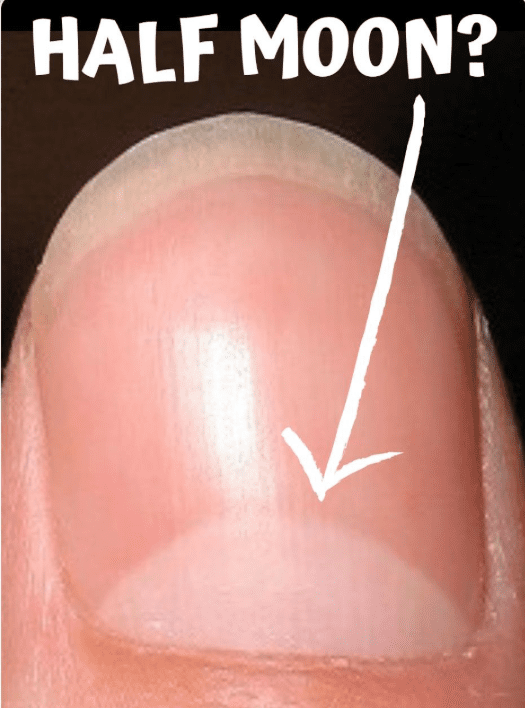
What does the half moon at the base of the nails mean is a question that has intrigued people for centuries, and these mysterious white crescents have been the subject of both scientific study and folk wisdom. These small, pale arcs that appear at the base of your fingernails are called lunulae, named after the Latin word for “little moon.” While they might seem like a minor cosmetic detail, these lunar-shaped markings can actually provide valuable insights into your overall health and well-being.
I remember the first time I really noticed my lunulae—I was sitting in a doctor’s office, nervously fidgeting with my hands, when the physician glanced at my nails and made an offhand comment about the health indicators visible there. That moment sparked my curiosity about what these half-moon shapes really mean and whether their presence, absence, or appearance could tell us anything meaningful about our bodies.
Table of Contents
Understanding the Anatomy of Lunulae
Before we dive into what lunulae mean for your health, it’s important to understand exactly what they are from an anatomical perspective.
What Are Lunulae Exactly
The lunula is the visible part of your nail matrix, which is the tissue beneath your nail that produces new nail cells. The half-moon appearance occurs because this area contains newer, less mature nail cells that haven’t fully hardened and flattened yet.
These immature cells appear whiter or more opaque than the rest of your nail because they haven’t completed the keratinization process—the transformation into the hard, transparent keratin that makes up the visible part of your nail. As cells mature and move forward, they become more compact and transparent, which is why the rest of your nail appears pink (from the blood vessels underneath) rather than white.
Why They Appear as Half Moons
The crescent shape isn’t arbitrary—it reflects the actual curved shape of your nail matrix beneath the skin. The matrix extends further under the nail at the center than at the sides, creating that distinctive arc shape when viewed from above.
The cuticle and the skin around your nail (called the proximal nail fold) partially cover the matrix, which is why you typically only see a small portion of it as the lunula. On most people’s thumbs, the lunula is most visible because the nail matrix is larger and extends further forward on thumb nails compared to other fingers.
Normal Variations in Lunula Appearance
Not everyone’s lunulae look the same, and many of these variations are completely normal and nothing to worry about.
Size Differences
Lunulae naturally vary in size from person to person and even from finger to finger on the same hand. Thumbs typically have the most prominent lunulae, often measuring 3 to 5 millimeters in width. The index and middle fingers usually have smaller but still visible lunulae, while the ring and pinky fingers may have very small or even invisible lunulae.
Some people have large, prominent lunulae that extend well beyond the cuticle area, while others have barely visible or completely hidden lunulae. Both scenarios can be entirely normal—it often depends on individual anatomy and how far forward the nail matrix extends.
Color Variations
While lunulae are typically white or very pale, slight color variations can occur. The exact shade depends on factors like your skin tone, the thickness of your nails, and the blood flow to the area. In people with darker skin tones, lunulae might appear slightly more pigmented but should still be distinguishable from the rest of the nail.
The surrounding nail bed should be pink in lighter skin tones or appropriately pigmented in darker skin tones, providing contrast that makes the lunula visible.
What Healthy Lunulae Look Like
Understanding what constitutes healthy lunulae helps you identify when something might be worth discussing with a healthcare provider.
Characteristics of Normal Lunulae
Healthy lunulae are typically white or ivory-colored, well-defined with clear borders, and present on at least your thumbs and sometimes your index fingers. They should be proportionate to your nail size, generally occupying about one-fifth of your total nail length.
The color should be consistent and uniform within the lunula itself, without spots, streaks, or unusual discoloration. The transition from the white lunula to the pink nail bed should be relatively smooth and gradual.
Individual Variations That Are Normal
Some perfectly healthy people have no visible lunulae except on their thumbs, while others have prominent lunulae on all ten fingers. Both patterns can be completely normal—what matters more is consistency with your own baseline.
If you’ve always had small lunulae or no visible lunulae on certain fingers, that’s likely just your normal anatomy. Changes in your lunulae—either sudden appearance, disappearance, or alteration in size or color—are more significant than the baseline appearance itself.
When Lunula Changes Might Indicate Health Issues
While many lunula variations are harmless, certain changes or appearances can sometimes signal underlying health conditions that deserve medical attention.
Absence of Lunulae
Complete absence of lunulae on all fingers, or sudden disappearance of previously visible lunulae, can sometimes indicate nutritional deficiencies, particularly of B12, iron, or zinc. It might also suggest thyroid problems, specifically hypothyroidism, where an underactive thyroid slows down many bodily processes including nail growth.
Poor circulation is another potential cause of diminished or absent lunulae. When blood flow to the extremities is compromised, the nail matrix may not function optimally, leading to less visible lunulae.
However, it’s crucial to note that many people naturally have small or invisible lunulae without any health problems whatsoever. The absence of lunulae alone, without other symptoms, is rarely cause for concern.
Very Large Lunulae
Lunulae that are unusually large, extending well beyond the typical one-fifth of the nail length, might indicate cardiovascular issues in some cases. An overactive thyroid (hyperthyroidism) can also cause enlarged lunulae because it speeds up metabolic processes, including nail growth and cell production.
In traditional Chinese medicine, large lunulae have been associated with high blood pressure, though scientific evidence for this specific correlation remains limited.
Color Changes in Lunulae
The color of your lunulae can provide important health clues when it deviates significantly from the normal white or ivory shade.
Blue or Purple Lunulae
A blue or purple tint to the lunulae often indicates poor circulation or inadequate oxygenation of the blood. This can occur with cardiovascular conditions, respiratory problems, or conditions that affect blood vessels like Raynaud’s phenomenon.
People who work in cold environments or have chronic cold exposure might also notice their lunulae taking on a bluish tint, which typically resolves with warmth and improved circulation.
Red Lunulae
Red or pink lunulae can sometimes indicate heart or circulatory problems. They may also appear in people with conditions affecting connective tissue, such as lupus or rheumatoid arthritis.
In some cases, red lunulae might simply reflect inflammation or increased blood flow to the area, which could be temporary and benign.
Yellow Lunulae
Yellow discoloration of the lunulae might suggest fungal infection, though this typically affects the entire nail rather than just the lunula. It can also indicate diabetes, lung problems, or liver conditions, particularly when accompanied by yellowing of the entire nail or other body parts.
Brown or Black Spots
Dark spots or streaks in the lunula area deserve immediate medical attention, especially if they’re new or changing. While they can result from trauma or benign conditions, they can also indicate melanoma, a serious form of skin cancer that can affect the nail bed.
Nutritional Deficiencies and Lunulae
Your diet and nutritional status significantly impact nail health, including the appearance of your lunulae.
Iron Deficiency
Iron deficiency anemia is one of the most common nutritional causes of changes in lunulae. When your body lacks adequate iron, it struggles to produce healthy red blood cells, which can affect the appearance of your nail beds and lunulae.
People with iron deficiency might notice their lunulae becoming smaller or disappearing entirely. The nails may also become brittle, develop ridges, or take on a spoon-shaped appearance in severe cases.
B Vitamin Deficiencies
B vitamins, particularly B12 and folate, play crucial roles in cell division and growth. Since your nails are constantly producing new cells, deficiencies in these vitamins can manifest in your nail appearance, including changes to the lunulae.
B12 deficiency might cause the lunulae to appear smaller or less defined. Complete absence of lunulae combined with other symptoms like fatigue, weakness, or neurological issues should prompt testing for B12 levels.
Zinc and Protein
Zinc is essential for protein synthesis and cell division, both critical processes in nail growth. Zinc deficiency can lead to various nail abnormalities, including changes in lunula appearance, white spots on nails, and slow growth.
Adequate protein intake is also crucial because nails are made primarily of keratin, a protein. Severe protein deficiency can affect lunula appearance along with overall nail health.
Medical Conditions Associated with Lunula Changes
Several medical conditions can manifest through changes in the lunulae, making them potential early warning signs worth noting.
Thyroid Disorders
Both hyperthyroidism (overactive thyroid) and hypothyroidism (underactive thyroid) can affect lunula appearance. Hyperthyroidism may cause enlarged lunulae and faster nail growth, while hypothyroidism might result in smaller or absent lunulae and slower nail growth.
The thyroid regulates metabolism throughout the body, including the rate at which your nails grow and cells regenerate. Changes in thyroid function therefore naturally impact nail appearance.
Cardiovascular Conditions
The lunulae can sometimes provide clues about heart and circulatory health. Significantly enlarged lunulae, particularly when accompanied by other symptoms, might warrant cardiovascular evaluation.
Changes in lunula color, especially bluish or purple tints, can indicate poor circulation or oxygenation issues that may relate to heart or lung function.
Kidney Disease
Certain kidney conditions can cause a characteristic pattern called “half-and-half nails” or “Lindsay’s nails,” where the lower portion of the nail (near the lunula) appears white and the upper portion appears reddish-brown. This occurs because kidney disease affects the nail bed’s blood supply and overall nail composition.
Autoimmune Conditions
Conditions like lupus, rheumatoid arthritis, and other autoimmune disorders can cause various nail changes, including alterations in lunula color or appearance. Red lunulae are particularly associated with some autoimmune conditions.
These changes occur because autoimmune conditions create systemic inflammation and affect blood vessels, including the tiny capillaries that supply the nail bed and matrix.
The Connection Between Lunulae and Age
As we age, changes in our lunulae are common and often perfectly normal.
Changes Throughout Life
Children and young adults typically have the most visible lunulae. As people age, it’s common for lunulae to become less prominent or even disappear on some fingers. This occurs because circulation to the extremities may decrease slightly with age, and the metabolic processes that produce nail cells slow down.
Many elderly individuals have barely visible or absent lunulae on all fingers except perhaps the thumbs, and this is usually a normal part of aging rather than a health concern.
When Age-Related Changes Warrant Attention
While gradual changes over decades are normal, sudden changes in lunula appearance at any age deserve attention. If you’re older and notice your lunulae suddenly disappearing when they’ve been visible for years, or if they change color dramatically, discuss this with your healthcare provider.
The key distinction is between gradual, progressive changes and sudden alterations, with the latter being more likely to indicate an underlying issue.
Debunking Myths About Lunulae
There’s considerable misinformation circulating about lunulae, so let’s separate fact from fiction.
Myth: Missing Lunulae Always Mean Poor Health
This is one of the most persistent myths. Many perfectly healthy people have small or invisible lunulae on most or all of their fingers. Lunula visibility depends largely on individual anatomy—specifically how far forward the nail matrix extends and how much of it is visible beyond the cuticle.
Unless lunulae suddenly disappear when they were previously visible, or their absence is accompanied by other symptoms, there’s usually no cause for concern.
Myth: You Can Diagnose Specific Diseases from Lunulae Alone
While lunulae can provide health clues, they cannot diagnose specific conditions on their own. Changes in lunulae are non-specific signs that might indicate various conditions or might mean nothing at all.
Healthcare providers consider lunula changes in conjunction with symptoms, medical history, and diagnostic tests—never in isolation. Using lunulae as your only diagnostic tool is unreliable and potentially dangerous.
Myth: Larger Lunulae Mean Better Health
There’s no evidence that larger lunulae indicate better health. Normal lunulae vary widely in size, and both very small and very large lunulae can be perfectly normal or potentially problematic depending on individual circumstances and whether they represent a change from baseline.
How to Maintain Healthy Nails and Lunulae
While you can’t directly control your lunula appearance, you can support overall nail health through proper care and nutrition.
Nutritional Support
Eat a balanced diet rich in protein, iron, zinc, biotin, and B vitamins. Include plenty of lean meats, fish, eggs, legumes, nuts, seeds, whole grains, and leafy green vegetables. These foods provide the building blocks your body needs to produce healthy nails.
Consider having your vitamin and mineral levels checked if you notice nail changes, as deficiencies can often be corrected with dietary adjustments or supplements.
Proper Nail Care
Keep your nails clean and dry to prevent infections. Trim them regularly using sharp, clean clippers, and file them in one direction rather than sawing back and forth, which can cause splitting.
Avoid harsh chemicals and excessive water exposure. Wear gloves when cleaning or doing dishes to protect your nails from harsh detergents and prolonged moisture, both of which can damage nail structure.
Moisturization
Keep your cuticles and the skin around your nails moisturized with cuticle oil or hand cream. Healthy cuticles protect the nail matrix from infection and damage, supporting proper nail growth and potentially more visible lunulae.
Massage moisturizer into your cuticles and nail beds to improve circulation to the area, which supports healthy nail production.
Avoiding Damage
Don’t bite your nails or pick at your cuticles, as this can damage the nail matrix and affect how your nails grow. Similarly, avoid using your nails as tools to open things or scrape surfaces.
Be gentle when pushing back cuticles—never cut them, as this can lead to infection and damage to the nail matrix. The cuticle serves an important protective function.
When to See a Healthcare Provider
Knowing when lunula changes warrant medical attention helps you seek care when necessary without unnecessary anxiety.
Red Flags That Require Attention
Seek medical evaluation if you notice sudden changes in lunula appearance, particularly if they’re accompanied by other symptoms. Specific concerns include the sudden disappearance of previously visible lunulae, dramatic color changes (especially to blue, purple, or red), dark spots or streaks in the lunula area, and lunula changes accompanied by other nail abnormalities like pitting, ridging, or separation from the nail bed.
Also consult a healthcare provider if you have other symptoms alongside lunula changes, such as fatigue, weight changes, temperature sensitivity, shortness of breath, or joint pain. These combinations suggest systemic issues that need investigation.
What to Expect During Evaluation
Your healthcare provider will examine your nails and lunulae closely, ask about when you first noticed changes and whether you’ve experienced other symptoms, review your medical history and current medications, and possibly order blood tests to check for nutritional deficiencies, thyroid function, or other conditions.
They might also refer you to a dermatologist if they suspect a skin condition or to other specialists depending on what the initial evaluation reveals.
Understanding Your Body’s Signals
What does the half moon at the base of the nails mean ultimately comes down to understanding that lunulae are one of many ways your body communicates its health status. These small crescents at the base of your nails serve as windows into your overall well-being, reflecting nutritional status, circulation, metabolic function, and potentially underlying health conditions.
However, it’s essential to maintain perspective. Lunula appearance varies widely among healthy individuals, and many variations are completely normal. What matters most is being familiar with your own baseline and noticing significant changes rather than worrying about whether your lunulae match some idealized standard.
Your lunulae are part of your unique physical makeup. Some people naturally have prominent lunulae on all fingers, while others have barely visible crescents only on their thumbs. Both patterns can indicate perfect health. The key is paying attention to changes—sudden appearances, disappearances, or color alterations that differ from your normal pattern.
Use your lunulae as one piece of information about your health, not as a definitive diagnostic tool. Combined with attention to other symptoms, proper nutrition, regular medical care, and healthy lifestyle habits, monitoring your lunulae can contribute to early detection of potential health issues. But remember, they’re just one small part of the complex picture of human health.
Take care of your overall health, and your nails—including those mysterious little moons—will generally take care of themselves. And if you do notice concerning changes, don’t hesitate to consult with a healthcare professional who can provide proper evaluation and guidance tailored to your individual situation.
