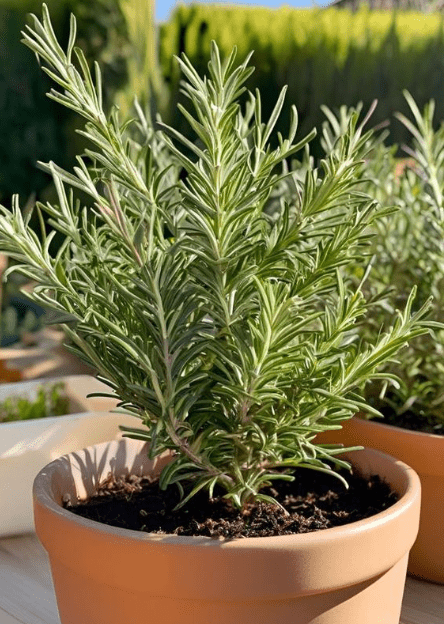
Most folks have no clue why their rosemary plant keeps dying, and honestly, I didn’t either until I killed my third one. There I was, standing over yet another brown, crispy rosemary plant, wondering what I was doing wrong. I watered it regularly, gave it a nice pot, placed it on my kitchen windowsill—all the things you’re supposed to do, right? Wrong. Rosemary has specific needs that go against common houseplant care advice, and once you understand these quirks, keeping this Mediterranean herb alive becomes surprisingly easy.
The frustrating part is that rosemary looks so robust and hardy at the garden center. Those beautiful green sprigs seem indestructible. Then you bring it home, and within weeks it’s turning brown and dropping needles everywhere. If this sounds familiar, you’re not alone. Rosemary is notoriously finicky indoors, but there’s a simple hack that changes everything.
Table of Contents
The Real Reason Your Rosemary Keeps Dying
Before we get to the solution, let’s talk about why rosemary struggles in most homes. Understanding the problem is half the battle.
You’re Killing It with Kindness
The number one killer of rosemary plants is overwatering. I know, I know—you’re just trying to be a good plant parent. But here’s the thing: rosemary is native to the Mediterranean coast, where it grows in rocky, well-draining soil and goes days or even weeks without water during hot, dry summers.
When you water rosemary the way you water other houseplants, you’re essentially drowning it. The roots sit in moist soil, can’t get enough oxygen, and begin to rot. By the time you notice the plant looking sad, the damage is often already done.
It’s Not Getting Enough Light
Rosemary evolved in full Mediterranean sun—we’re talking 6-8 hours of direct, intense sunlight daily. That bright windowsill you chose? Probably not bright enough, especially during winter months when days are shorter and the sun is weaker.
Without adequate light, rosemary can’t photosynthesize properly. Growth slows down, the plant becomes weak, and it’s more susceptible to problems. The needles lose their vibrant color and the plant becomes leggy and sparse.
The Humidity Problem
Here’s where it gets tricky. Rosemary likes dry air, which seems perfect for indoor growing. But most homes, especially during winter when heating systems are running, have humidity levels that fluctuate wildly. More importantly, when rosemary is overwatered in a humid environment, it’s a recipe for disaster.
Poor Air Circulation
In its natural habitat, rosemary enjoys constant coastal breezes. Indoors, stagnant air around the plant prevents moisture from evaporating and can lead to fungal issues. This is especially problematic if the plant is already dealing with too much water….
