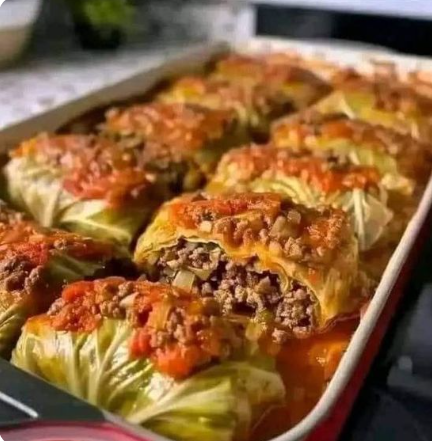
Would anyone here actually eat stuffed cabbages? It’s a question that sparks surprisingly passionate debates in kitchens and dining rooms around the world. This humble dish—tender cabbage leaves wrapped around savory filling and simmered in tomato sauce—divides people into devoted fans and skeptical critics. Some consider it the ultimate comfort food, while others can’t imagine why anyone would spend hours rolling individual cabbage parcels.
The truth is, stuffed cabbages deserve far more appreciation than they typically receive. This traditional dish has sustained families across cultures for centuries, and for good reason. When prepared correctly, stuffed cabbages deliver incredible flavor, satisfying texture, and surprising nutritional benefits. If you’ve never given this classic a fair chance, or if you’ve only experienced poorly executed versions, it’s time to reconsider.
Table of Contents
The Cultural Legacy Behind Stuffed Cabbages
Stuffed cabbage rolls exist in virtually every cuisine that had access to cabbage historically. From Eastern European golabki to Middle Eastern malfouf, Greek lahanodolmades to Russian golubtsy, the concept remains remarkably consistent across borders—cabbage leaves embracing a flavorful filling.
This widespread popularity isn’t accidental. Cabbage was one of the few vegetables that could be stored through harsh winters, making it a dietary staple in colder climates. The practice of stuffing vegetables likely originated in the Middle East and spread along trade routes, with each culture adapting the recipe to local tastes and available ingredients.
Why This Matters Today
Understanding the history helps explain why stuffed cabbages often appear at family gatherings and holiday celebrations. For many people, this dish connects them to their heritage and grandmother’s kitchen. The labor-intensive preparation becomes an act of love and cultural preservation. When you eat stuffed cabbages, you’re participating in a culinary tradition that spans continents and generations.
What Makes Stuffed Cabbages So Divisive
Let’s address the elephant in the room—why do some people refuse to even try stuffed cabbages? The resistance usually falls into several categories.
The Texture Issue
Cabbage has a reputation problem. When overcooked, it becomes mushy and unpleasantly sulfurous. When undercooked in stuffed cabbage preparations, it can be tough and fibrous. Finding that perfect tender-but-not-mushy sweet spot requires proper technique, and many home cooks miss the mark.
The filling texture also matters enormously. A dry, dense meat mixture creates an unpleasant eating experience, while a well-seasoned, moist filling makes each bite satisfying and flavorful….
