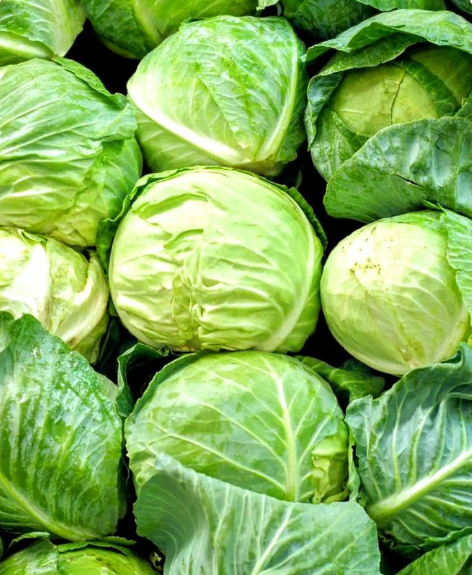
The 4 types of people who shouldn’t eat cabbage include those with specific digestive conditions, thyroid issues, blood clotting concerns, and certain allergies. While cabbage is widely celebrated as a nutritional powerhouse packed with vitamins, minerals, and beneficial compounds, it’s not suitable for everyone. Understanding whether you fall into one of these categories can help you make informed dietary choices that support your health rather than compromise it.
Table of Contents
Why Cabbage Is Generally Considered Healthy
Before exploring who should avoid cabbage, it’s worth understanding why this cruciferous vegetable has earned such a stellar reputation in nutrition circles.
Cabbage contains high levels of vitamin C, vitamin K, fiber, and antioxidants. It’s low in calories, supports digestive health for most people, and has been linked to reduced inflammation and cancer prevention in numerous studies. The sulfur-containing compounds in cabbage, called glucosinolates, break down into beneficial substances that may protect against various diseases.
However, these same compounds and properties that make cabbage beneficial for many can create problems for specific groups of people. Let’s examine each group in detail.
