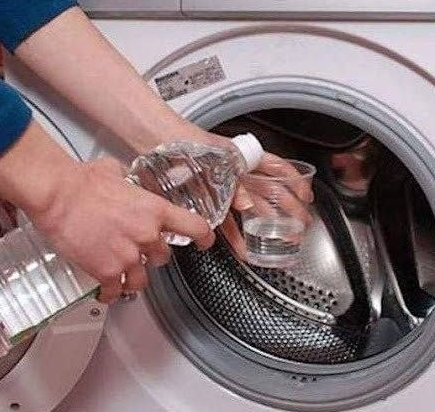
If your washing machine smells musty, leaves detergent residue, or doesn’t clean clothes as well as it used to, the solution might already be sitting in your kitchen — vinegar. This simple household ingredient is a powerful, natural cleaner that helps remove grime, limescale, and unpleasant odors from your washing machine without using harsh chemicals.
Let’s dive into why vinegar helps clean the washing machine thoroughly and how to use it correctly for both front-load and top-load machines.
Table of Contents
Why Vinegar Helps Clean the Washing Machine
Vinegar isn’t just for salads — it’s an effective, eco-friendly cleaning agent that’s been used for generations. When it comes to washing machines, vinegar’s mild acidity breaks down mineral buildup, soap scum, and bacteria that can cause mold and foul smells.
The Science Behind It
White distilled vinegar contains acetic acid, which dissolves residues left behind by detergents and fabric softeners. These residues often accumulate in hard-to-reach areas like rubber seals, detergent drawers, and the drum. Vinegar neutralizes these buildups and deodorizes the machine naturally.
It’s also gentle enough not to damage the internal parts of your washer when used correctly — a safe, budget-friendly, and chemical-free alternative to commercial cleaners.
How to Clean a Washing Machine with Vinegar
Cleaning your washing machine with vinegar is a simple process that only takes a few steps. The key is to use white distilled vinegar, not apple cider vinegar or flavored varieties, as those can leave stains or residues.
For Front-Load Washing Machines
Front-load machines are prone to mold and mildew because moisture often gets trapped around the rubber gasket. Here’s how to deep clean it:
Step 1: Empty the Machine
Make sure there are no clothes or items inside the drum before you start.
Step 2: Add Vinegar
Pour 2 cups (about 500 ml) of white vinegar directly into the detergent dispenser or the drum.
Step 3: Run a Hot Cycle
Select the hottest water setting and run a full cycle. The heat enhances vinegar’s cleaning power, helping to dissolve detergent scum and kill odor-causing bacteria.
Step 4: Wipe Down Seals and Door
Once the cycle is complete, use a soft cloth dipped in a mixture of vinegar and warm water to clean around the rubber door gasket. This area often traps lint, hair, and soap residue.
Step 5: Leave the Door Open
Keep the door slightly open for a few hours after cleaning to allow moisture to evaporate and prevent future mold growth.
For Top-Load Washing Machines
Top-load washers can accumulate grime around the drum edges and under the lid. Here’s the correct way to clean them:
Step 1: Fill with Hot Water
Set your washer to the largest load size and hottest temperature. Let it fill up completely.
Step 2: Add Vinegar
Pour 4 cups (about 1 liter) of white vinegar into the water. Let the washer run for a few minutes to mix the vinegar evenly.
Step 3: Pause and Soak
Stop the cycle and let the solution sit for 1 hour. During this time, vinegar works to dissolve detergent residue and mineral deposits.
Step 4: Scrub Key Areas
Use a cloth or soft brush dipped in the vinegar water to scrub the lid, detergent drawer, and agitator.
Step 5: Resume and Rinse
After an hour, restart the cycle and let it finish. Then run an additional rinse cycle with plain water to flush out any remaining vinegar smell.
Cleaning the Detergent Drawer and Filter
While the drum is the main area to focus on, don’t forget these often-overlooked parts:
Detergent Drawer
Remove the detergent drawer completely (if your machine allows). Soak it in warm water with a bit of vinegar for 15–20 minutes. Use a toothbrush to scrub away any detergent buildup before rinsing and reinstalling it.
Filter
Locate and clean the drain filter according to your machine’s manual. Rinse it thoroughly and wipe away any trapped lint or debris.
How Often Should You Clean with Vinegar?
To keep your washing machine in top shape:
- Deep clean with vinegar once a month.
- Wipe the drum and gasket weekly if you live in a humid area or use the machine frequently.
- Leave the door open after each wash to prevent mold and mildew.
Regular cleaning extends the life of your machine and ensures your laundry smells fresh every time.
Can You Combine Vinegar with Baking Soda?
Yes, you can — but not at the same time. Baking soda helps remove odors and acts as a gentle scrub, while vinegar dissolves residues.
Here’s how to use both safely:
- Run a cycle with 2 cups of vinegar first.
- Then, sprinkle ½ cup of baking soda directly into the drum and run another hot cycle.
This two-step method enhances the cleaning effect without neutralizing the vinegar’s acidity (which would happen if mixed together).
Common Mistakes to Avoid
Even though vinegar is natural, using it incorrectly can reduce its benefits or cause issues.
- Don’t use too much: Excess vinegar can leave a strong smell or damage rubber seals over time. Stick to the recommended amount.
- Avoid mixing with bleach: This creates harmful chlorine gas — never do it.
- Don’t use cold water: Heat activates vinegar’s cleaning power more effectively.
Why Vinegar Is the Best Natural Cleaner for Your Washer
Using vinegar to clean your washing machine is not just effective — it’s sustainable. It’s non-toxic, budget-friendly, and eco-conscious, reducing your reliance on synthetic cleaning chemicals. Plus, it’s gentle enough for both front-load and top-load models, extending your machine’s lifespan naturally.
Final Thoughts
Yes, vinegar helps clean the washing machine thoroughly — and it does so safely, affordably, and naturally. With just a few simple steps each month, you can eliminate odors, prevent buildup, and keep your laundry smelling fresh.
So, next time your washer needs a refresh, skip the harsh chemicals and reach for that bottle of white vinegar. Your washing machine — and your clothes — will thank you.
