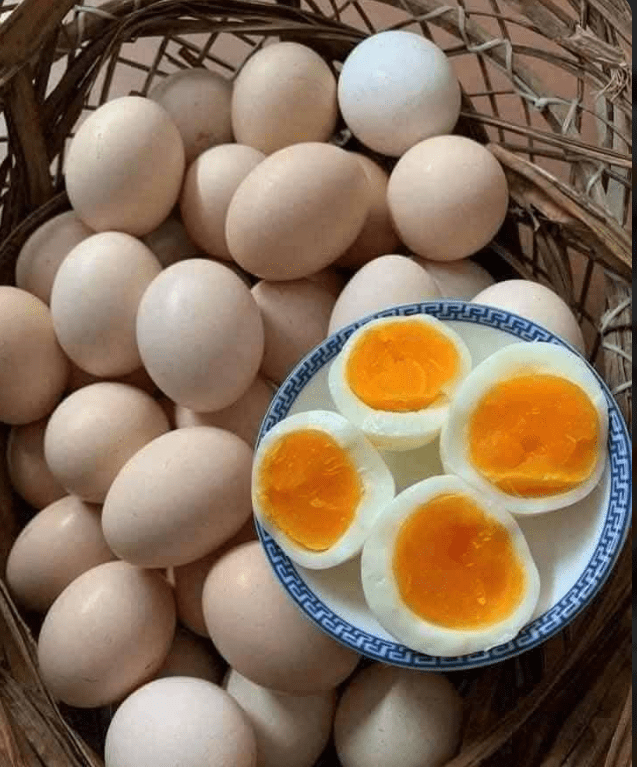
When it comes to eggs, not all are created equal. The difference between an egg laid by a healthy, free-ranging hen and one from a stressed, caged chicken is more visible than you might think. From the yolk’s color to the shell’s firmness, these natural indicators reveal the health, diet, and living conditions of the hen that laid it.
In this article, we’ll explore how to identify which egg came from a healthy chicken and what those subtle signs truly mean for your health and nutrition.
Table of Contents
The Importance of Knowing Which Egg Came from a Healthy Chicken
Eggs are one of nature’s most complete foods — rich in protein, vitamins, and minerals. But the quality of those nutrients depends entirely on the health of the chicken. Healthy hens that are allowed to roam freely, eat natural food sources like insects and greens, and live without stress produce eggs that are nutritionally superior and safer to eat.
Understanding how to distinguish a high-quality egg helps you make better food choices, supports ethical farming, and ensures you’re getting the best value for your money.
What Makes a Chicken “Healthy”?
Before spotting the difference in eggs, it’s important to know what defines a healthy chicken. Here are the main factors:
- Natural Diet: Healthy chickens eat grains, greens, and insects — not just commercial feed.
- Outdoor Access: Free-range hens exposed to sunlight produce eggs richer in vitamin D.
- Low Stress Levels: Chickens raised in calm, clean environments lay more consistent and nutrient-rich eggs.
- No Antibiotics or Hormones: Healthy, naturally raised hens don’t require chemical boosters for egg production.
When these conditions are met, the result is an egg that’s more flavorful, nutrient-dense, and visually distinct.
Signs of a Healthy Chicken’s Egg
Let’s break down the three major characteristics that can tell you whether an egg came from a healthy chicken: color, yolk texture, and shell strength.
1. Eggshell Color and Strength
Healthy chicken eggs often have shells that feel firm and slightly rough to the touch. The shell’s strength reflects the hen’s calcium intake — and a chicken that eats a balanced, mineral-rich diet lays sturdier eggs.
- Thick and hard shell: Indicates good calcium absorption and proper nutrition.
- Thin or fragile shell: Suggests poor diet or stress in the chicken.
As for color, while brown or white shells don’t automatically determine health (it’s mainly a breed difference), the luster and cleanliness of the shell can offer clues. A dull, chalky, or uneven surface may signal a hen in poor condition.
2. Yolk Color and Texture
The yolk is the heart of the egg — and its color tells a story. A vibrant golden-orange yolk is a hallmark of a healthy, pasture-raised chicken. That rich hue comes from carotenoids found in plants and insects that chickens naturally eat.
- Deep golden or orange yolk: High in beta-carotene and omega-3 fatty acids.
- Pale yellow yolk: Suggests a diet limited to commercial feed and little outdoor foraging.
Texture matters too. A firm, rounded yolk that stands tall above the egg white indicates freshness and quality. In contrast, a flat or watery yolk points to an older egg or one laid by a stressed, undernourished chicken.
3. Egg White Clarity and Consistency
Another giveaway is the egg white, also known as the albumen. Crack an egg onto a flat surface and observe:
- Thick and slightly cloudy whites mean the egg is fresh and packed with protein.
- Thin, watery whites suggest an older egg or one from a less healthy chicken.
The cloudiness comes from carbon dioxide that naturally escapes over time — so fresher eggs tend to appear less transparent.
How to Test an Egg’s Freshness at Home
If you’re unsure about the egg’s quality, here’s a simple test used by chefs and homesteaders alike:
- The Water Test: Place the egg in a bowl of cold water.
- Sinks and lays flat: Fresh and likely from a healthy hen.
- Stands upright or floats: Older egg — not unsafe, but lower quality.
This trick doesn’t just reveal freshness; it indirectly reflects how strong and healthy the egg’s structure is.
Nutritional Differences: Healthy vs. Unhealthy Chicken Eggs
Studies have shown that eggs from healthy, free-range chickens can contain:
- 2–3 times more omega-3 fatty acids
- Up to 7 times more beta-carotene
- Higher vitamin D, E, and A levels
- Lower cholesterol and saturated fat
This means that the eggs you choose can significantly impact your overall diet and well-being. Healthier eggs don’t just taste better — they’re genuinely more nourishing.
How to Choose the Best Eggs in Stores
If you can’t buy directly from a farm, here are quick tips for selecting better eggs at the supermarket:
- Look for labels like “pasture-raised” or “free-range”, but beware of misleading marketing.
- Prefer organic-certified eggs, which guarantee no antibiotics or synthetic hormones.
- Check for date stamps to ensure freshness.
- Avoid eggs with cracked or thin shells.
Remember, packaging terms like “cage-free” don’t always mean the chickens were raised in natural conditions — always check the farm source if possible.
Why It Matters for You and the Planet
Choosing eggs from healthy chickens supports sustainable farming practices and promotes animal welfare. Healthier hens produce better eggs naturally, reducing the need for industrial additives or antibiotics. It’s a win for your health, the animals, and the environment.
Final Thoughts
Which egg came from a healthy chicken? The answer lies in the details — the shell’s strength, the yolk’s golden hue, and the firmness of the egg white. By learning to read these signs, you’re not only choosing a fresher, tastier egg but also supporting ethical farming and your own nutrition.
Next time you crack an egg, take a closer look — your breakfast might just tell you the whole story of the chicken behind it. 🥚💛
