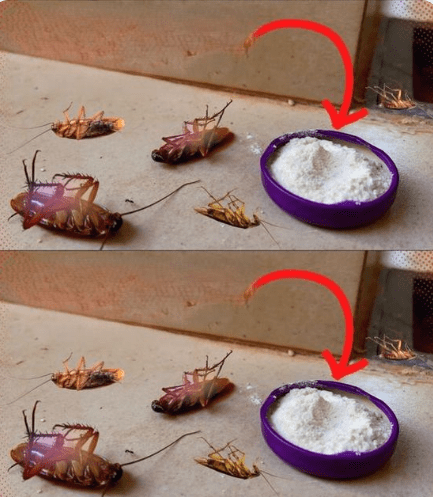
Put this in your house for 1 hour and you will never see flies, mosquitoes or cockroaches again—that’s the promise behind a natural pest control method that’s been quietly circulating in households for generations. After dealing with a sudden fruit fly invasion last summer that seemed immune to every store-bought trap, I was desperate enough to try my neighbor’s unconventional suggestion. Within an hour, the swarm that had been terrorizing my kitchen simply vanished, and I haven’t seen a single fly since.
The solution isn’t some toxic chemical bomb or expensive exterminator service. It’s a strategic combination of natural ingredients that insects absolutely cannot tolerate, placed strategically throughout your home. What makes this method so effective is that it doesn’t just repel pests temporarily—it creates an environment they actively avoid, breaking the cycle of infestation at its source.
Table of Contents
Why Traditional Pest Control Methods Keep Failing You
Before we get into the solution that actually works, let’s talk about why you’re probably still battling insects despite trying everything. Those aerosol sprays you buy at the supermarket? They kill the bugs you see but do nothing about the ones hiding in your walls, under appliances, or the eggs waiting to hatch tomorrow.
Electronic repellent devices make bold claims but offer inconsistent results because insects adapt quickly. Sticky traps and zappers only catch a fraction of the problem. Meanwhile, professional exterminators can cost hundreds of dollars and often require you to leave your home while they spray chemicals you can’t even pronounce.
The real issue is that most commercial solutions focus on killing insects rather than making your home fundamentally uninhabitable to them. It’s the difference between swatting mosquitoes one by one versus eliminating the conditions that attract them in the first place.
The Natural Ingredient Combination That Changes Everything
The method that transformed my pest-free existence centers around a simple formula using ingredients you likely already have in your kitchen. The star players are white vinegar, essential oils (specifically peppermint and eucalyptus), dish soap, and fresh lemon juice. When combined correctly and deployed strategically, this mixture creates an olfactory barrier that flies, mosquitoes, and cockroaches find absolutely intolerable.
Here’s what makes each component essential to the formula. White vinegar disrupts the scent trails that insects use to navigate and locate food sources. The acetic acid also interferes with their respiratory systems when they encounter it. Peppermint oil contains menthol, which is toxic to many insects and masks the carbon dioxide and body odors that attract mosquitoes to humans.
The Science Behind Why Insects Hate These Ingredients
Eucalyptus oil has been scientifically proven to repel mosquitoes as effectively as DEET in several studies, but without the toxic side effects. The compound PMD (para-menthane-3,8-diol) found naturally in eucalyptus confuses the insects’ sensory receptors. Dish soap breaks down the surface tension that allows insects to land on liquids, essentially drowning any that come into direct contact.
Lemon juice adds citric acid to the mix, which cockroaches particularly despise. The citrus scent also helps mask the pheromone trails that roaches use to communicate with each other about food sources and nesting sites. When these ingredients work together, they create a multi-layered defense system that targets different aspects of insect behavior simultaneously.
How to Create Your Pest-Eliminating Solution
Mix these ingredients in a clean spray bottle: two cups of white vinegar, one cup of water, 20 drops of peppermint essential oil, 15 drops of eucalyptus essential oil, two tablespoons of fresh lemon juice, and one teaspoon of dish soap. Shake the bottle vigorously to combine everything thoroughly—the soap helps emulsify the oils so they distribute evenly throughout the liquid.
The solution stays effective for about two weeks when stored in a cool, dark place. Make sure you’re using real essential oils, not synthetic fragrances, as the active compounds in genuine oils are what provide the repellent properties. Those three-dollar “fragrance oils” from discount stores won’t work because they lack the chemical components that actually repel insects.
Strategic Placement for Maximum Results
Simply spraying randomly around your house won’t deliver the dramatic results you’re hoping for. Insects enter homes through specific pathways and congregate in particular areas based on their needs for food, water, and shelter. Your deployment strategy needs to intercept them at these critical points.
Start by identifying your home’s entry points—door thresholds, window frames, pipe penetrations under sinks, gaps around electrical outlets, and anywhere you can see daylight coming through. Spray a generous amount along these boundaries, creating a barrier that insects must cross to enter. Pay special attention to kitchen and bathroom areas where moisture attracts pests.
The One-Hour Treatment Protocol
Here’s the specific process that delivers those “never see them again” results. Choose a time when you’ll be home for at least two hours. Open all your cabinets, pull out appliances from walls, and remove items from under sinks to expose hidden areas where insects hide and breed.
Spray your solution thoroughly along all baseboards, inside cabinets (avoiding direct contact with dishes or food), behind appliances, around trash cans, and in any corners or crevices where you’ve noticed insect activity. For flying insects like mosquitoes and flies, also spray around ceiling corners and light fixtures where they tend to rest during the day.
Why the First Hour is Critical
Leave the treated areas undisturbed for one full hour. This allows the solution to air-dry and create those crucial scent barriers while also giving any insects that contact the wet solution time to be affected. During this hour, the volatile compounds in the essential oils diffuse throughout the space, reaching insects hiding in areas you couldn’t spray directly.
Ventilate your home well by opening windows during and after treatment. The solution is non-toxic to humans and pets, but the concentrated scent can be strong in the first 30 minutes. This ventilation also helps carry the repellent compounds into cracks and crevices through air currents, extending your coverage beyond just the surfaces you sprayed.
Targeting Each Pest Type Specifically
While this solution repels all three pest types, each insect has specific vulnerabilities you can exploit for even better results. Flies are particularly drawn to fermenting organic matter, so combining your spray treatment with proper food storage and immediate cleanup of spills multiplies effectiveness. Place small dishes of the solution near fruit bowls or anywhere you’ve noticed fly activity.
Mosquitoes need standing water to breed, so your spray treatment should be supplemented by eliminating any water sources. Check plant saucers, pet bowls, clogged gutters, and anywhere water accumulates. Spray extra solution around doorways and windows since mosquitoes tend to rest on these surfaces before entering homes at dusk.
The Cockroach-Specific Strategy
Cockroaches are the trickiest pest because they’re nocturnal and excellent at hiding. They also leave pheromone trails that attract more roaches, so breaking this communication network is essential. Spray extra solution along the backs of appliances, inside pantries, and anywhere you’ve seen droppings (which look like ground black pepper).
For severe cockroach problems, make a thicker paste version of the solution by mixing the same ingredients with baking soda until you get a spreadable consistency. Apply this paste in cracks, behind outlet covers, and other tight spaces where roaches hide during the day. The baking soda adds an extra layer of effectiveness because it disrupts their digestive systems if ingested.
Maintaining Your Pest-Free Environment
The initial one-hour treatment creates dramatic results, but maintaining a pest-free home requires consistency. Re-spray high-traffic entry points weekly for the first month, then transition to bi-weekly maintenance once you’ve broken the infestation cycle. This ongoing barrier prevents new insects from establishing themselves in your space.
Deep clean one area of your home each week, moving furniture and appliances to spray behind them. Insects often establish colonies in undisturbed areas, so regular rotation of your deep cleaning efforts keeps them from getting comfortable anywhere. This also helps you identify and seal any new entry points that develop over time.
Seasonal Adjustments for Year-Round Protection
Different seasons bring different pest pressures, so adjust your treatment accordingly. Spring brings flying insects as they emerge from winter dormancy—increase your window and door barrier treatments. Summer’s heat drives all insects to seek water and cool spaces indoors, so focus on bathrooms, basements, and air conditioning units.
Fall sees insects trying to move indoors for winter, making it the most critical time for perimeter defense. Spray extra solution along your home’s foundation, garage doors, and attic access points. Winter pest activity drops significantly, but maintain monthly treatments in kitchens and bathrooms where heated indoor conditions still attract the occasional intruder.
Natural Boosters That Amplify Results
Once you’ve established your baseline treatment, several natural additions can enhance effectiveness even further. Fresh bay leaves placed in pantries and cabinets release compounds that repel both roaches and pantry moths. Cucumber peels contain a compound that cockroaches find repulsive—place them behind appliances and replace every few days.
Diatomaceous earth (food-grade only) sprinkled lightly in areas where you’ve seen roaches provides a physical barrier that damages their exoskeletons. This powder is completely non-toxic to humans and pets but devastating to insects. Use it sparingly in dry areas like behind refrigerators or inside wall voids accessed through electrical outlets.
Plants That Work as Living Insect Repellents
Strategically placed houseplants add a living layer to your pest defense system. Basil plants on kitchen windowsills repel flies naturally through their aromatic compounds. Lavender plants near entry doors deter moths and mosquitoes. Chrysanthemums contain pyrethrin, a natural insecticide so effective it’s used in many commercial bug sprays.
These plants do double duty by improving your indoor air quality while constantly releasing pest-repelling compounds. Just their presence makes your home less attractive to insects, and you can also crush their leaves to release stronger concentrations of oils for spot treatments.
What to Do If You Still See Stragglers
Even the most effective treatment won’t eliminate every single insect instantly, especially if you’re dealing with a severe infestation. Those few stragglers you see in the days following treatment are likely insects that were deeply hidden during your initial spray. Don’t interpret their presence as failure—they’re actually leaving your home because the environment has become intolerable.
Continue with your maintenance schedule and resist the temptation to immediately resort to harsh chemicals. Each successive treatment makes your home progressively more hostile to insect habitation. Most people see a 90% reduction in pest sightings within the first week and complete elimination within three to four weeks.
When Professional Help Makes Sense
This natural method works exceptionally well for typical household infestations, but some situations require professional intervention. If you’re seeing dozens of cockroaches daily even after treatment, you may have a colony inside your walls that needs professional remediation. Active termite damage, bed bug infestations, or aggressive wasp nests are also beyond the scope of natural DIY solutions.
However, even in these cases, maintaining your natural barrier treatment prevents re-infestation after professional services. Many people spend money on exterminators only to have pests return weeks later because the underlying attractants remain. Your natural solution addresses the root cause by making your home fundamentally unwelcoming to insects.
The Cost Comparison That Will Shock You
Let’s talk numbers for a moment. A single visit from a professional exterminator averages $150 to $300, and most infestations require multiple treatments. Monthly pest control service contracts run $40 to $70 every month. Over a year, you’re looking at $500 to $1,000 minimum for conventional pest control.
The natural solution I’ve described costs approximately $15 to $20 for enough ingredients to treat an average home for three to four months. Even buying the highest quality essential oils and organic vinegar, you’ll spend less than $50 for a full year of treatment. That’s a savings of over $900 annually compared to professional services, with the added benefit of avoiding toxic chemical exposure.
Why This Method Succeeds Where Others Fail
The fundamental difference between this approach and conventional pest control is that you’re not just killing insects—you’re manipulating their behavior and making your home actively repellent to them. Insects evolved sophisticated sensory systems to detect food, water, mates, and danger. This solution hijacks those systems to convince pests your home is dangerous territory.
Chemical sprays create evolutionary pressure that leads to resistant insect populations. Your grandchildren’s pests will likely be immune to today’s pesticides because the ones that survive pass on resistant genes. Natural repellents don’t create this pressure because they work through sensory disruption rather than toxicity. An insect can’t evolve to suddenly enjoy the smell of peppermint—it’s fundamentally incompatible with their biology.
The one-hour treatment protocol specifically breaks the infestation cycle by simultaneously removing current insects and preventing new arrivals. It’s the combination of immediate action and lasting prevention that delivers those dramatic results people notice immediately.
Your Action Plan for a Pest-Free Home
Start today by gathering your ingredients and doing a thorough inspection of your home to identify problem areas and entry points. Mix your solution fresh for maximum potency, and set aside two hours for your initial comprehensive treatment. Focus on being thorough rather than rushed—hitting every potential hiding spot and entry point matters more than speed.
Document your results by taking photos of problem areas before treatment so you can compare after one week. This visual evidence will amaze you when you realize how dramatically the insect population has declined. Share your success with friends and family who struggle with the same frustrations you once faced.
The beauty of this solution is its simplicity and safety. You’re not gambling with your family’s health by spraying toxic chemicals around your living space. You’re not spending hundreds of dollars on services that provide temporary relief at best. You’re creating a sustainable, natural environment that insects simply cannot tolerate, all with ingredients safe enough to eat.
That swarm of fruit flies that drove me to try this method? Gone within hours and never returned, even during peak fruit season. The occasional mosquito that used to plague summer evenings? Haven’t seen one inside in months. The nightmare of finding a cockroach in my kitchen? Just a bad memory now. Put this in your house for one hour, and you’ll understand why I’ll never go back to conventional pest control again.
