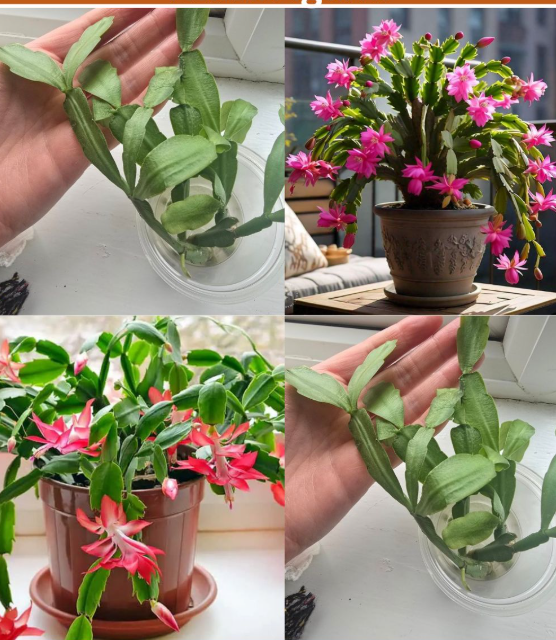
My grandmother had a Christmas cactus that bloomed like clockwork every single year, producing cascades of vibrant pink flowers that seemed to multiply with each passing season. While my own plant sat stubbornly green year after year, hers transformed into a spectacular floral display that neighbors would actually stop by to admire. The secret? A ridiculously simple trick she learned from her mother that modern gardeners have largely forgotten.
Table of Contents
Why Your Christmas Cactus Refuses to Bloom
Before we dive into grandma’s magical method, let’s talk about why these beautiful plants can be so frustratingly stubborn. Christmas cacti are tropical plants native to the Brazilian rainforests, and they have very specific requirements that trigger their blooming cycle. Most people treat them like desert cacti or regular houseplants, which explains the disappointing lack of flowers.
The most common mistakes include inconsistent watering, keeping them in rooms that are too warm during the crucial bud-setting period, and providing too much artificial light during evening hours. Your plant isn’t broken—it’s just waiting for the right environmental cues that tell it winter has arrived and it’s time to reproduce.
The Temperature Trick That Changes Everything
Here’s the forgotten method that made my grandmother’s Christmas cactus legendary in her neighborhood: she moved her plant to the coolest room in the house starting in late September. Not outside, not in a freezer, just to an unheated bedroom or enclosed porch where temperatures naturally dropped to around 50-55°F at night.
This simple relocation mimics the cooler temperatures these plants experience in their native habitat during the dry season. The temperature drop signals the plant that it’s time to redirect energy from leaf growth to flower production. She’d leave it there for about six weeks, watering sparingly, and by Thanksgiving the buds would already be forming.
The Dark Secret Nobody Tells You
But temperature alone wasn’t the whole story. Grandma also made sure that room stayed naturally dark for at least 12-14 hours every night. No streetlights streaming through the window, no peeking in with a flashlight to check on it, and definitely no turning on lights for midnight bathroom trips.
Christmas cacti are photoperiodic, meaning they respond to day length. Those long, uninterrupted dark periods trigger hormonal changes within the plant that initiate bud formation. Even brief exposures to light during the dark period can interrupt this process and prevent blooming entirely.
How to Implement Grandma’s Method Step by Step
Start your blooming preparation in late September or early October, about eight to ten weeks before you want flowers. Choose a room in your house that naturally stays cool at night—a spare bedroom, enclosed porch, or even a garage with a window works perfectly.
Place your Christmas cactus in this location where it will receive bright indirect light during the day but complete darkness from early evening until morning. The ideal temperature range is 50-60°F at night and 60-65°F during the day. If your chosen room gets colder than 45°F at night, that’s too cold and may damage the plant.
The Watering Schedule That Makes or Breaks Success
During this six-week blooming preparation period, cut back significantly on watering. Grandma would only water her Christmas cactus when the top two inches of soil felt completely dry to the touch, which usually meant once every two to three weeks. This slight drought stress, combined with the cooler temperatures and long nights, creates the perfect storm for bud formation.
Don’t fertilize during this period at all. The plant needs to focus its energy on developing flowers, not pushing out new leaf growth. Think of it as forcing the plant into a mild state of dormancy that naturally occurs in its rainforest home during the cooler, drier months.
What Happens After the Buds Appear
Once you see tiny buds forming at the tips of the leaves, you can gradually transition your Christmas cactus back to normal growing conditions. Move it to a slightly warmer location, but still keep it away from heat sources and maintain those long dark periods until the buds show definite color.
This is the critical phase where many people accidentally cause bud drop. Resist the urge to move the plant around to show it off or find the “perfect” spot. Once buds form, any significant change in light, temperature, or even the direction the plant faces can cause it to abort those precious flowers.
Watering and Care During Blooming
As the buds develop and the flowers begin to open, you can resume more regular watering. The soil should stay evenly moist but never soggy. Grandma always watered from the bottom by setting the pot in a saucer of water for about 30 minutes, then removing it. This prevented water from sitting on the developing buds and causing rot.
The blooming period can last anywhere from four to six weeks if you maintain consistent care. Keep the plant in a location with bright indirect light and temperatures between 65-70°F. Cooler nighttime temperatures will actually extend the blooming period and keep the flowers looking fresh longer.
Why This Method Works When Others Fail
The beauty of grandma’s approach is that it works with the plant’s natural biology instead of fighting against it. Modern homes are often kept at constant temperatures year-round with lights on at all hours—comfortable for us, but confusing for plants that evolved to respond to seasonal changes.
By recreating the environmental conditions that trigger blooming in the wild, you’re essentially speaking the plant’s language. The cool temperatures slow the plant’s metabolism and redirect resources. The long dark periods trigger specific hormones. The reduced watering mimics the dry season. All these factors work together to tell the plant it’s reproduction time.
Common Mistakes That Ruin the Results
The biggest mistake people make is impatience. They prepare the plant for a week or two, see no immediate results, and give up. Christmas cacti need that full six to eight week preparation period to properly set buds. Cutting the process short almost guarantees failure.
Another common error is inconsistent darkness. If your chosen room has any light pollution from street lamps, electronic devices, or nightlights, cover the plant with a dark cloth each evening. Even small amounts of light can disrupt the photoperiodic response and prevent budding.
The Relocation Trauma
Moving the plant back and forth between rooms multiple times during the preparation period is another blooming killer. Choose your cool, dark location and commit to it for the full six weeks. Each time you move the plant, it experiences stress and must readjust to new light levels and temperatures, which interrupts the budding process.
Extending the Blooming Season Year After Year
Once your Christmas cactus blooms successfully using this method, you can keep it blooming reliably for decades. Grandma’s plant lived for over 40 years and never missed a single holiday season. The key is establishing a consistent annual routine that the plant can depend on.
After blooming finishes, place your Christmas cactus in a location with bright indirect light and normal household temperatures. Water it regularly when the top inch of soil dries out, and fertilize monthly from March through August with a balanced houseplant fertilizer diluted to half strength.
Summer Care for Fall Blooms
During the summer growing season, your Christmas cactus can actually benefit from spending time outdoors in a shaded location. Grandma would hang hers under a tree where it received dappled morning sunlight and was completely shaded during the hot afternoon hours. This summer vacation promotes vigorous growth and energy storage that translates to more abundant blooms come winter.
Just remember to bring it back indoors before nighttime temperatures drop below 50°F in fall. Then begin the cool temperature and long darkness treatment all over again in late September, and you’ll have flowers by Thanksgiving or early December like clockwork.
The Propagation Secret for Endless Blooms
Grandma never had just one Christmas cactus—she had five or six at any given time, all offspring of her original plant. She’d pinch off a few segments in spring, let them dry for a day, and stick them directly into moist potting soil. Within weeks they’d root, and within a couple years they’d be blooming alongside the mother plant.
This propagation habit meant she always had plants at different stages of maturity, ensuring she had abundant blooms every single year even if one plant decided to be temperamental. She’d give away these rooted cuttings to friends and family, spreading her blooming success throughout the neighborhood.
Modern Adaptations of Grandma’s Wisdom
Not everyone has access to a naturally cool room that stays dark for 14 hours. If you live in a climate-controlled apartment or modern home, you can still use grandma’s method with a few creative adaptations. A basement location away from windows often provides the consistent cool temperatures needed, even if you need to supplement with grow lights on a timer during the day.
For the darkness requirement, a large cardboard box or dark cloth placed over the plant each evening works perfectly well. Set a daily phone reminder so you don’t forget this crucial step. The investment of 30 seconds per day for six weeks pays off with months of spectacular blooms.
Using a Spare Closet or Cabinet
Another modern solution is dedicating a spare closet or cabinet to your blooming preparation. As long as it stays relatively cool and you can provide some light during the day through a nearby window or a timer-controlled grow light, this creates a perfect environment. The natural darkness of a closed closet eliminates the need for daily covering.
Troubleshooting When Buds Won’t Form
If you’ve followed the method faithfully for six weeks and still see no sign of buds, don’t immediately assume failure. Some Christmas cacti, particularly younger plants or those recovering from neglect, may need two cycles of the cool-dark treatment before they bloom. Plants under three years old from cuttings often won’t bloom at all regardless of care.
Also check whether your plant might actually be a Thanksgiving cactus or Easter cactus instead. These close relatives of the Christmas cactus have slightly different blooming schedules and leaf shapes. A Thanksgiving cactus blooms in November with the same treatment, while an Easter cactus needs a spring cooling period to flower.
The Legacy of Simple Plant Wisdom
There’s something deeply satisfying about using methods passed down through generations, especially when they work better than complicated modern approaches. Grandma never read scientific papers about photoperiodism or plant hormones. She simply observed, experimented, and shared what worked.
Her Christmas cactus method is a perfect example of traditional plant wisdom that deserves to be remembered and practiced. In an age of expensive fertilizers, growth hormones, and complicated plant care systems, sometimes the best solution is the one your grandmother used—work with nature, not against it, and let the plant do what it evolved to do.
The next time you see a Christmas cactus covered in flowers during the holiday season, you’ll know the secret behind that spectacular display. It’s not luck, expensive products, or a magic green thumb. It’s simply giving the plant six weeks of cool temperatures and long nights, just like grandma did, and letting nature take its course. Your own Christmas cactus is entirely capable of producing that same abundant bloom—it’s just been waiting for you to speak its language.
